
 Home
Home Muay Thai Gyms
 Training Classes
 Promotions
 Muay Thai Visa
 Blog
BlogWhat Social Media Won't Show You About Muay Thai Training in Thailand
January 31, 2026



With Muay Thai’s global reputation as a powerful and practical martial art, suitable both for real-life self-defense and for fitness, weight loss, and overall health improvement, it’s no surprise that many foreigners dream of training Muay Thai in Thailand, the sport’s birthplace. However, beyond the beautiful promotional images on Instagram and Facebook, there are other realities you may encounter once you decide to travel to Thailand for Muay Thai training. This article aims to present those lesser-discussed aspects, helping you prepare more realistically for your journey.
Tropical Climate and Extreme Heat
Thailand is located near the equator, which means hot to extremely hot weather all year round. During the summer months (March–May), temperatures can exceed 40°C (104°F). This climate inevitably affects Muay Thai training. For those coming from colder countries, adapting to the heat can be challenging. Training intensely without proper acclimatization may lead to health risks such as dizziness, fainting, or even heat stroke.
Recommendation:
If you plan to train Muay Thai in Thailand, arrive a few days early and allow your body to adjust to the tropical climate before jumping straight into full training sessions.Spicy and Bold Thai Food
Adapting to Thailand isn’t just about the weather. Thai food is another major adjustment. While international cuisine is available, Thai food is often the most convenient and affordable option, especially near Muay Thai gyms. Thai cuisine is known for its bold, spicy flavors, which may feel overwhelming for first-timers. Fortunately, you can always request “not spicy” (mai pet), and there are plenty of delicious dishes suitable for beginners. Don’t hesitate to try the street food. Just be careful and buy from places that cook the food right in front of you. If you see there is a queue and they have many local customers, this is a good sign. It means that the food there is delicious and cheap.
Popular spicy Thai dishes loved by foreigners include:
- Som Tam - spicy Papaya Salad
- Tom Yum Goong: hot and sour shrimp soup
- Pad Kra Pao: stir-fried rice spicy beef and pork mix
- Kua Kling: A southern Thai dry curry, extremely spicy but incredibly tasty
- Gaeng Leuang (Yellow Curry): Hot, sour, and sweat-inducing, often with fish
- Grilled seafood with Thai seafood dipping sauce: Spicy, sour, and addictive
Understanding your spice tolerance will help you enjoy Thai food without disrupting your training.
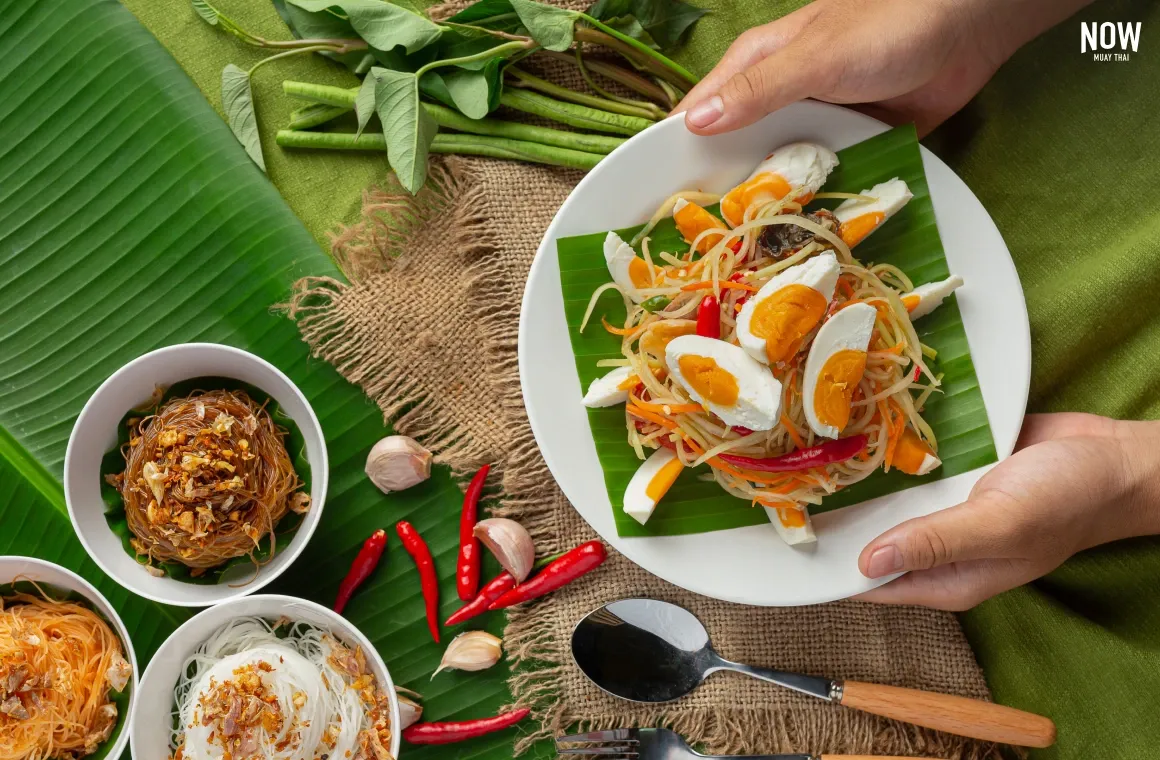 Papaya Salad served on a banana leaf
Another major advantage for foreigners training in Thailand is the presence of 7-Eleven convenience stores on almost every corner. These stores are open 24/7 and are extremely popular among foreigners for their wide selection of freshly prepared meals. Inside 7-Eleven, you’ll find ready-to-eat options such as:
- Ham and cheese toasted sandwiches
- Rice with chicken and other protein-based meals
- Various noodle dishes, snacks, and light meals
All you need to do is select a meal from the refrigerated shelf, bring it to the counter, and when you pay, the staff will heat it in the microwave for you. They’ll also provide a spoon and fork, so your meal is immediately ready to eat. For many Muay Thai trainees, 7-Eleven becomes a reliable food option when adjusting to Thai cuisine or when time is limited between workouts.
Bonus tip:
don’t get a sim card from the airport, buy it from 7/11Heavy Traffic in Major Cities
Many foreigners assume traffic congestion is only a problem in Bangkok, but cities like Chiang Mai and Phuket can be just as congested, especially during rush hours or peak tourist seasons (Nov-Jan).
Limited public transportation in some areas means short distances can take over an hour to travel. Poor planning may cause you to arrive late for Muay Thai classes or disrupt your daily routine.
Tip: Always allow extra travel time when planning your training schedule.English Communication Can Be Limited
While English is commonly used in tourist areas, not all Thai people speak English fluently. Misunderstandings can happen in daily life. That said, Muay Thai gyms that welcome international students usually have trainers who can communicate in basic English, or staff who can help translate instructions during training. This generally isn’t a major issue, but it’s something worth being aware of.Pack Light - Buy Clothes in Thailand
One of the most common beginner mistakes is bringing too many clothes. In reality, 2 shirts and 2 pairs of pants are more than enough to bring from home.
Clothing sold in Thailand is:
- Mostly made from cotton and linen
- Breathable, lightweight, and ideal for hot weather
- Very affordable, especially if you know how to negotiate prices at markets
Western clothes are often made from polyester or synthetic materials, which can trap heat and make you sweat more during Muay Thai training. Even though many Thai clothes are long-sleeved or full-length, they actually help protect your skin from sunburn and heat. Of course, you’ll also find plenty of shorts and t-shirts if you prefer. As a bonus, you’ll return home with unique Thai-designed clothing perfect summer wear in Europe and a genuine souvenir from Thailand.Bring Your Own Sunscreen
If you care about getting a tan, bring sunscreen from your home country. Many sunscreens sold in Thailand are designed to whiten or lighten the skin, which is popular locally but not ideal if you want to show you’ve been training or relaxing at the beach. Prices are similar, so it’s better to come prepared.Motorbikes Are Everywhere
Motorbikes are a huge part of daily life in Thailand. You’ll see:
- Children riding motorbikes
- Whole families on one bike
- Sometimes parents carrying even their infants
If you plan to rent and drive a motorbike yourself, you’ll need an International Driving Permit (IDP). If you already have a valid driver’s license in your home country, this usually takes a few days and a small fee to arrange.Shoes Off Culture
In Thai culture, shoes are considered dirty. Be prepared to remove your shoes when entering:
- Temples
- Some pharmacies
- Hotel rooms
- Certain shops and gyms
This is a sign of respect and completely normal in Thailand.Thai Nicknames Can Be Confusing (At First)
Most Thai people use nicknames, even in professional or semi-official situations. These nicknames are short and easy to pronounce. They often have no relation to their real name. Common examples include: Ball, Luck, Name, Ice, Nine, Donut, and many more. Don’t be confused, this is normal, and locals often prefer you to use their nickname.Cold Showers Are Normal
Locals generally do not use hot water for showering or washing clothes. Water is usually cold, or slightly warm if the pipes were heated by the sun. Hotels and many accommodations do offer hot water, so there’s no need to worry!Time Works Differently in Thailand
Thailand does not use summer or winter time. Because the country is close to the equator. Days are roughly 12 hours long all year. Sunrise and sunset stay almost the same year-round.Time may vary only 30–40 minutes depending on the month. This makes daily routines very consistent, which is ideal for Muay Thai training schedules.Spirit Houses and Thai Beliefs
You’ll notice small, decorative structures outside homes, businesses, and gyms. These are spirit houses. They reflect deep-rooted Thai beliefs about respect for spirits and harmony. You don’t need to fully understand them, but showing respect and curiosity goes a long way when immersing yourself in Thai culture.
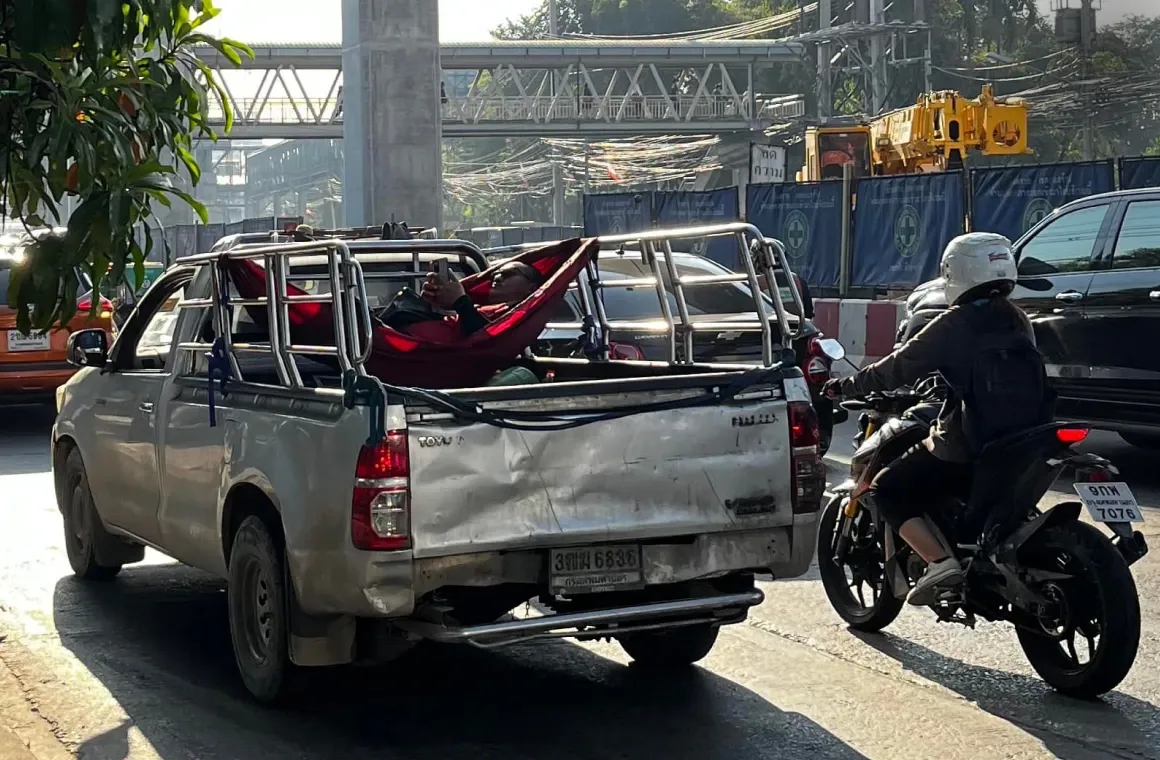 Despite the heavy traffic, people stay calm and enjoy the ride
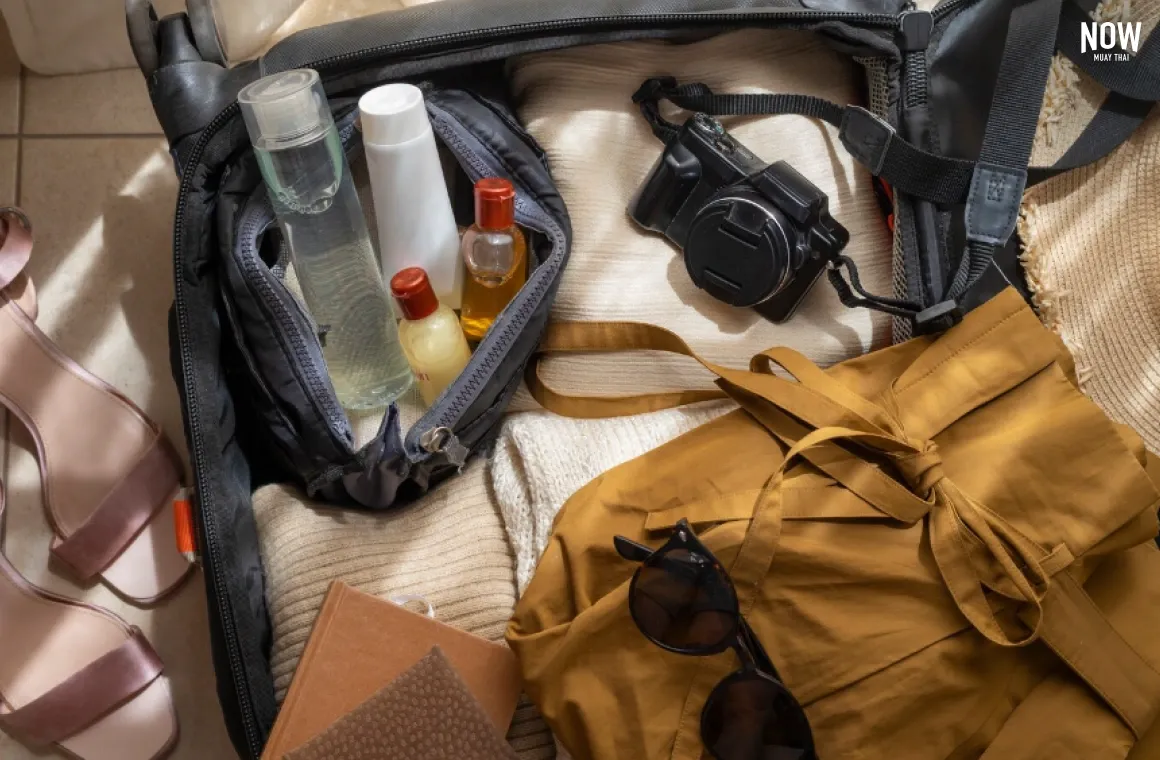 You don't need many clothes when you come to Thailand
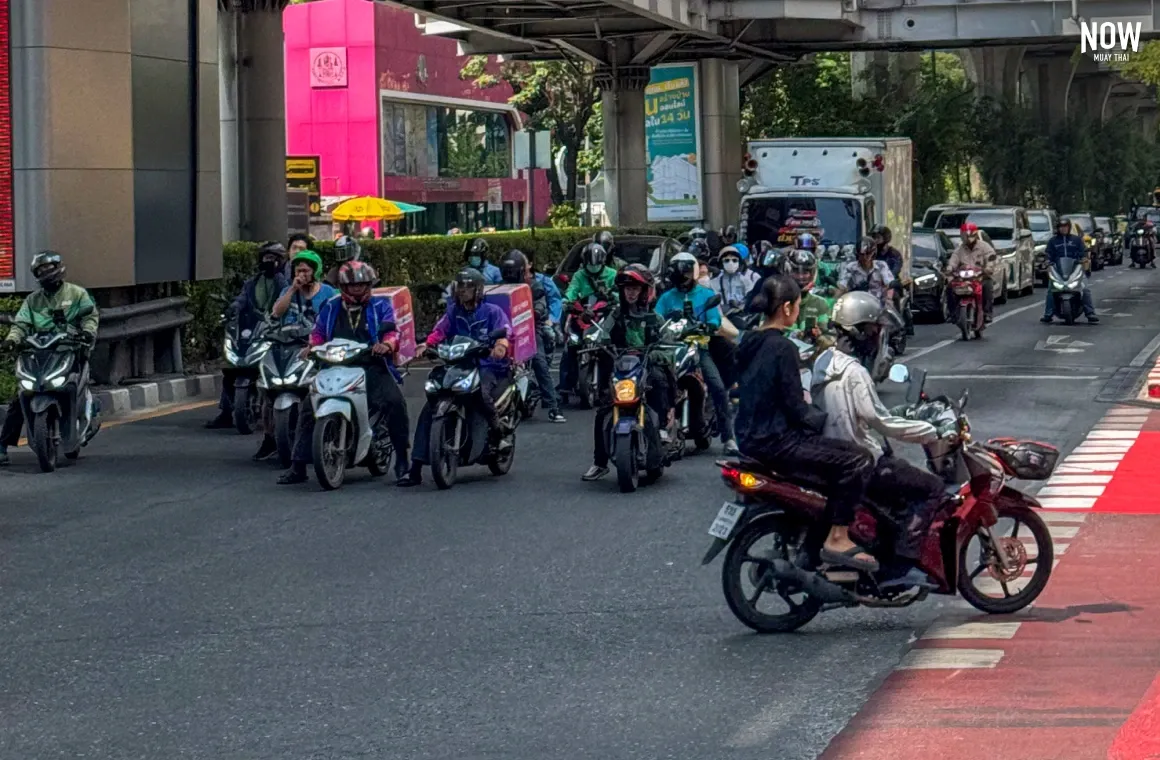 Traffic in Bangkok
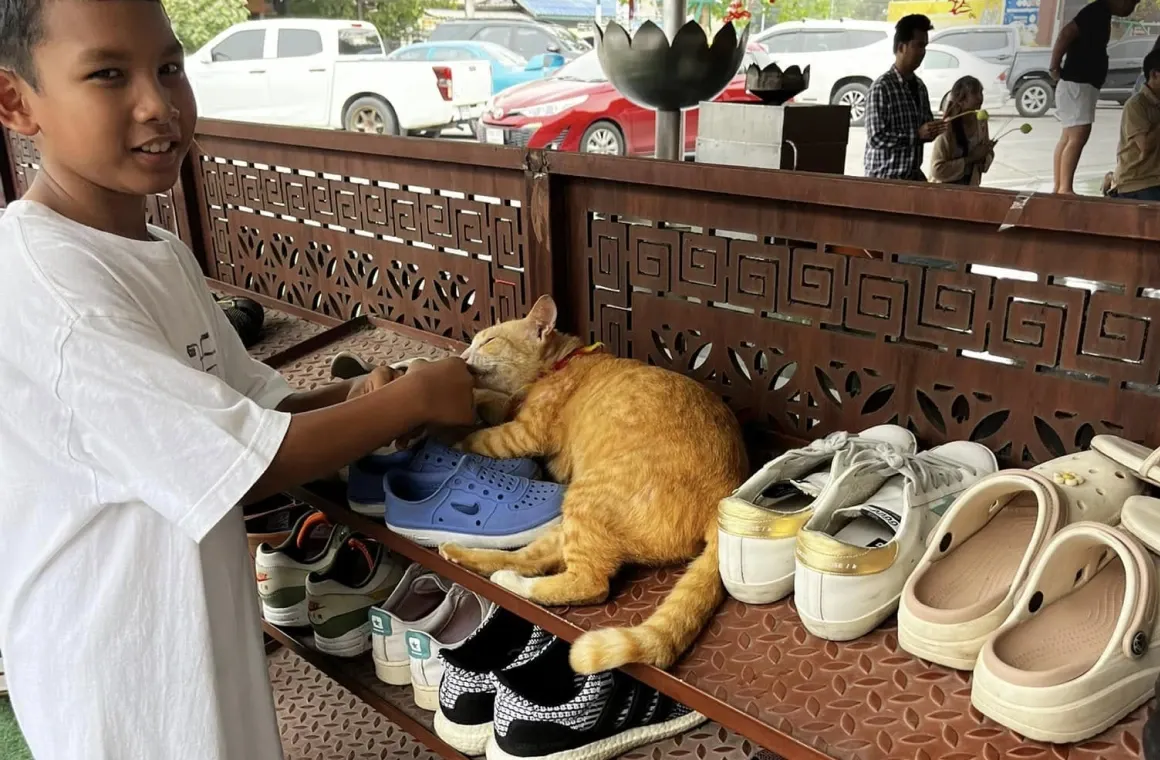 Leave your shoes outside before you go in to a temple
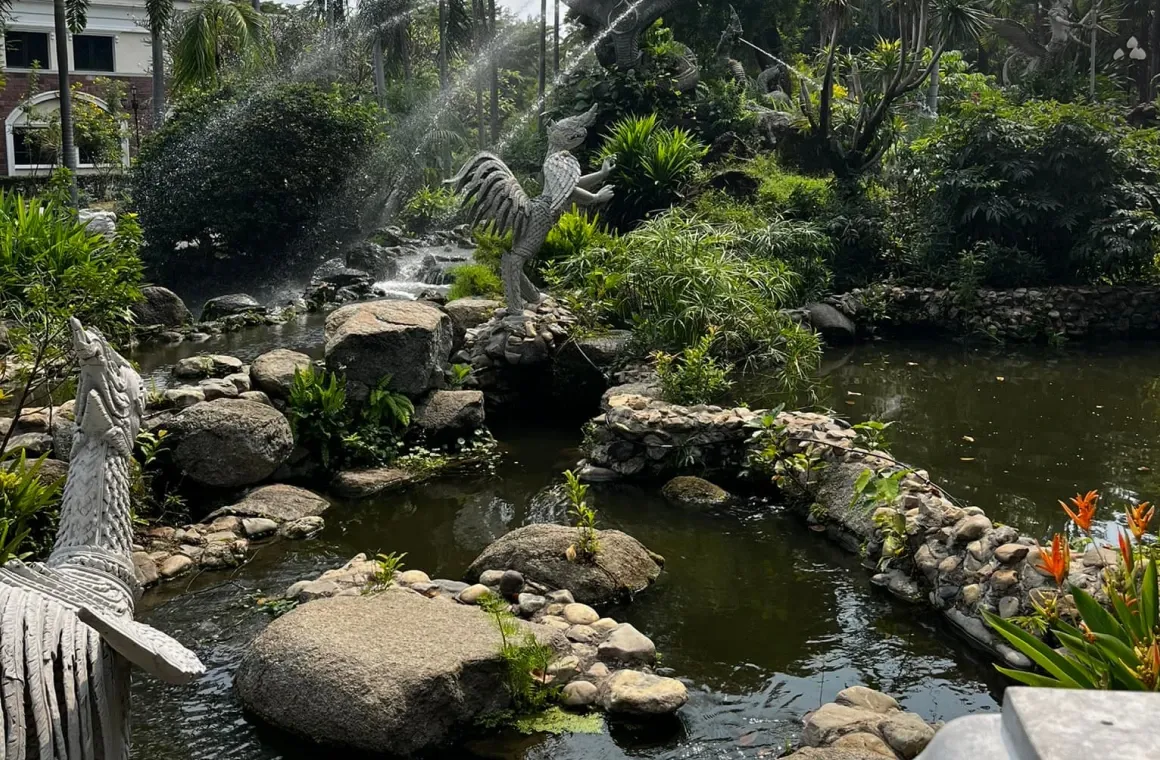 Thai Park
Final Thoughts
These points are aspects of Muay Thai training in Thailand that are often overlooked or underrepresented online. They may not be deal-breakers, but understanding them helps you plan better — from climate adaptation and food choices to transportation and communication.When prepared properly, your Muay Thai experience in Thailand can be both rewarding and unforgettable. If you’ve already decided to train Muay Thai in Thailand and are looking for the right gym, visit nowmuaythai.com! It’s a comprehensive platform featuring top Muay Thai gyms across Thailand, with detailed information on classes, facilities, pricing, and training options — making it easier to find a gym that truly fits your goals.
Training Muay Thai in Thailand is rarely just about punches and kicks. It’s about early mornings under buzzing fans, the rhythm of pads echoing through open-air gyms, shared meals after hard sessions, and learning to slow down in a culture that values balance as much as toughness. Many arrive chasing fitness or adventure, but leave with stronger bodies, clearer minds, and a deeper respect for the people and traditions behind Muay Thai. These gyms often become temporary homes — turning short trips into life-defining experiences and curious travelers into dedicated students of the art.
If this journey speaks to you, keep exploring:
- Thinking about training by the beach? 5 Reasons Why Learning Muay Thai in Phuket Is So Popular
- Muay Thai vs Fitness Training: Which Is Better for Weight Loss?
- If you are new to Muay Thai Learn These Essential Rules First
- Training Hard, Eating Well: 10 Must-Try Street Food Areas in Bangkok
- Check out the 7 best gyms in Thailand here:7 Best Muay Thai Gyms in Thailand in 2026: Top-Rated Training Camps for Foreigners & Fighters
Learn more about Muay Thai

Muay Thai Recovery Guide: Ice Baths, Thai Massage & Namman Muay for Your First Week in Thailand
Authentic Fight Camp vs. Modern Boutique Gym: Finding Your Perfect Muay Thai Fit in Thailand
Walk-in vs. Online Booking: Which Is the Best Way to Book a Muay Thai Class in Thailand?
Thailand Summer Travel Guide: Best Destinations to Visit from March to May
Back