
 Home
 Muay Thai Gyms
 Training Classes
 Promotions
 Muay Thai Visa
 Blog
What to Eat When Training Muay Thai Twice a Day: A Complete Nutrition Guide
November 20, 2026


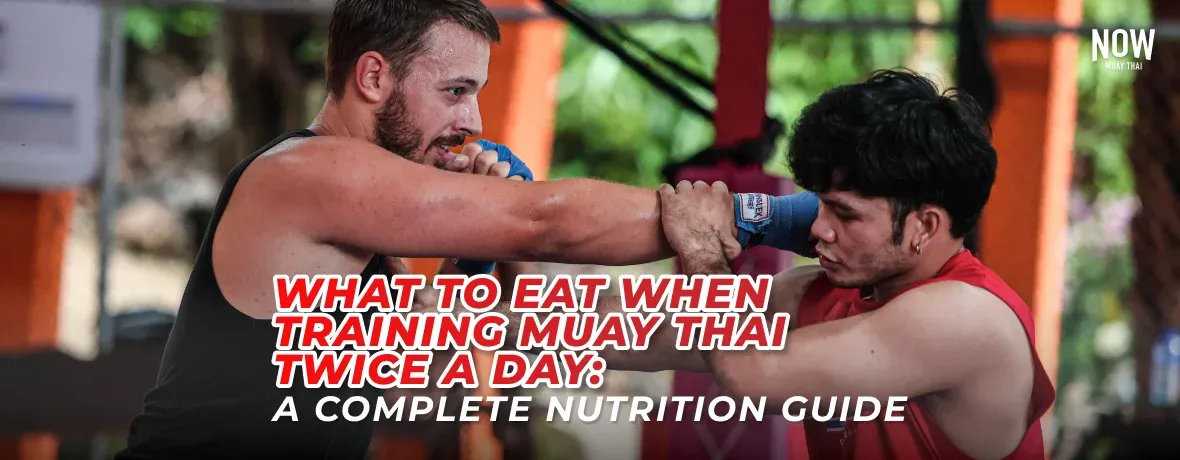
Training Muay Thai once a day is already physically demanding. But what happens when you train every morning and afternoon, or even add a private session between your regular classes? Your body needs more than just determination to keep up. It needs the right fuel, at the right time.
Eating properly can make a significant difference in how you feel and perform during your muay thai training week or fight preparation. Without enough energy and recovery time, you may find yourself struggling through afternoon sessions, feeling constantly exhausted or taking longer to recover.
This guide explains what to eat before and after Muay Thai training, how to structure your meals when training two or three times a day, which Thai foods are good options, what you can buy at 7-Eleven and how to stay hydrated in Thailand's hot climate.
In This Guide
- Why nutrition matters when training Muay Thai twice a day
- What to eat before Muay Thai training
- What to eat after Muay Thai training
- How to eat when training twice a day
- How to eat when training three times a day
- The best foods for Muay Thai training
- Eating well with 7-Eleven food in Thailand
- Hydration and electrolytes in Thailand
- What to avoid before training
- Example daily meal plans
- Common nutrition mistakes
- Frequently asked questions
Why Nutrition Matters When Training Muay Thai Twice a Day
Muay Thai combines cardiovascular endurance, strength, explosive movements and technical skill. A typical session can involve skipping, shadowboxing, pad work, heavy bag rounds, clinching, conditioning and sparring. All these activities require energy, and repeating them several times a day increases your nutritional demands.
Your body primarily relies on carbohydrates for fuel during high-intensity exercise. These carbohydrates are stored in your muscles and liver as glycogen. When you train hard, these stores gradually become depleted.
If you do not replace enough of that energy between sessions, you may notice:
- Feeling unusually tired during afternoon training.
- Struggling to maintain speed, power and concentration.
- Experiencing heavy legs and reduced endurance.
- Feeling excessively hungry later in the day.
- Taking longer to recover between workouts.
- Finding it harder to maintain muscle mass and training consistency.
Eating enough carbohydrates, protein and overall calories helps support performance and recovery. It also allows you to get more out of your training rather than simply trying to survive each session.
What to Eat Before Muay Thai Training
Training Muay Thai requires energy, especially when your schedule includes morning and afternoon sessions. Eating a small, easily digestible snack before training can help you maintain your energy without feeling too full during pad work, sparring or conditioning.
About One Hour Before Training
Around 30–60 minutes before class, choose a light snack containing carbohydrates. You do not need a large meal, particularly if you have already eaten breakfast or lunch.
Good options include:
- Bananas: One of the easiest and most convenient pre-training snacks. They provide carbohydrates and potassium.
- Other fresh fruit: Papaya, watermelon or oranges are refreshing options.
- Toast with honey: Provides easily digestible carbohydrates.
- Rice cakes: A light source of carbohydrates.
- A small snack: Choose something familiar that does not upset your stomach.
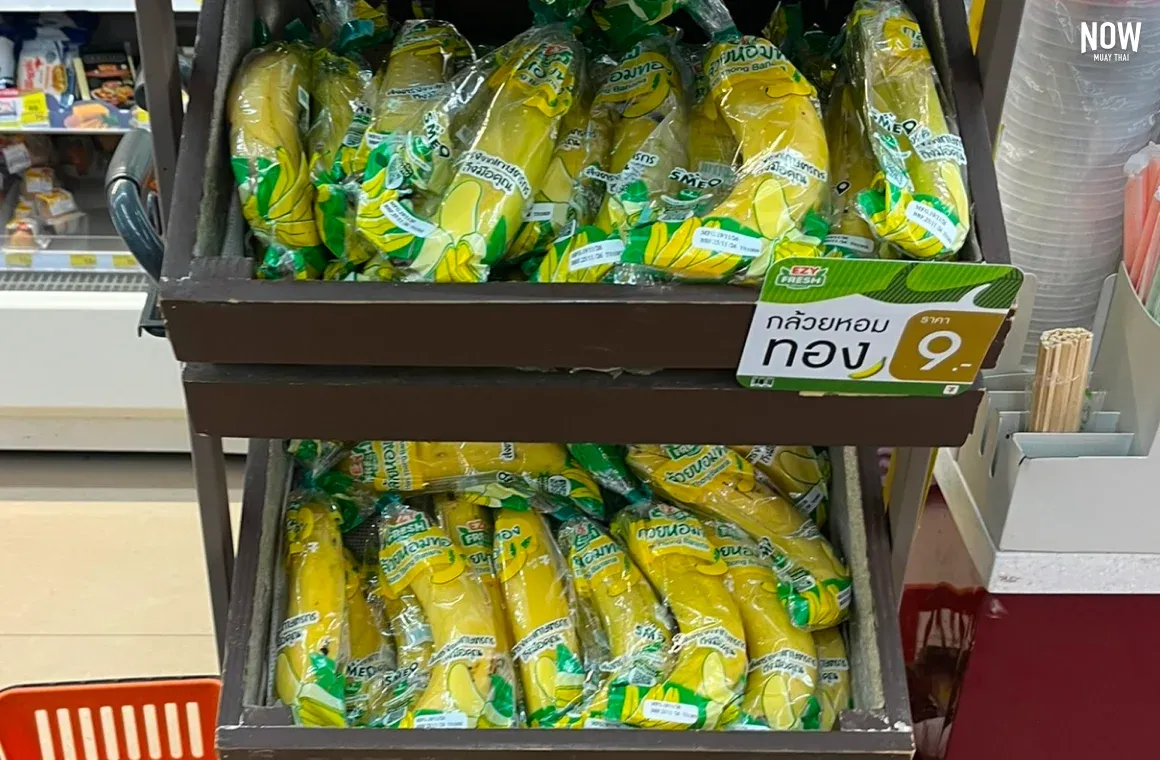
If you train early in the morning and do not have much appetite, a banana and some water can be a simple way to get started. You can have a more substantial breakfast after your session.
Should You Eat a Full Meal Before Training?
If you have two to three hours before class, you can eat a proper meal containing rice or noodles and a source of protein such as chicken, fish or eggs. However, avoid large portions immediately before training, as they can make intense movements uncomfortable.
What to Eat After Muay Thai Training
After an intense Muay Thai session, your body needs to recover. Replenishing carbohydrates, consuming protein and replacing fluids are particularly important when you have another workout scheduled later in the day.
Eat a Proper Meal After Your Morning Session
If you finish your morning training around 10:00–11:00, this is a good time to have a substantial breakfast or early lunch.
One practical option in Thailand is chicken rice (Khao Man Gai). It provides carbohydrates from the rice and protein from the chicken, making it a convenient recovery meal.
Other good choices include:
- Chicken rice with an extra portion of chicken.
- Rice with grilled chicken or fish.
- Eggs with rice and vegetables.
- Pad Thai with chicken or shrimp.
- A noodle soup with meat and vegetables.
Use 7-Eleven for Convenient Recovery Snacks
If you cannot have a full meal immediately after training, or need something between two sessions, Thai 7-Eleven stores offer several convenient options.
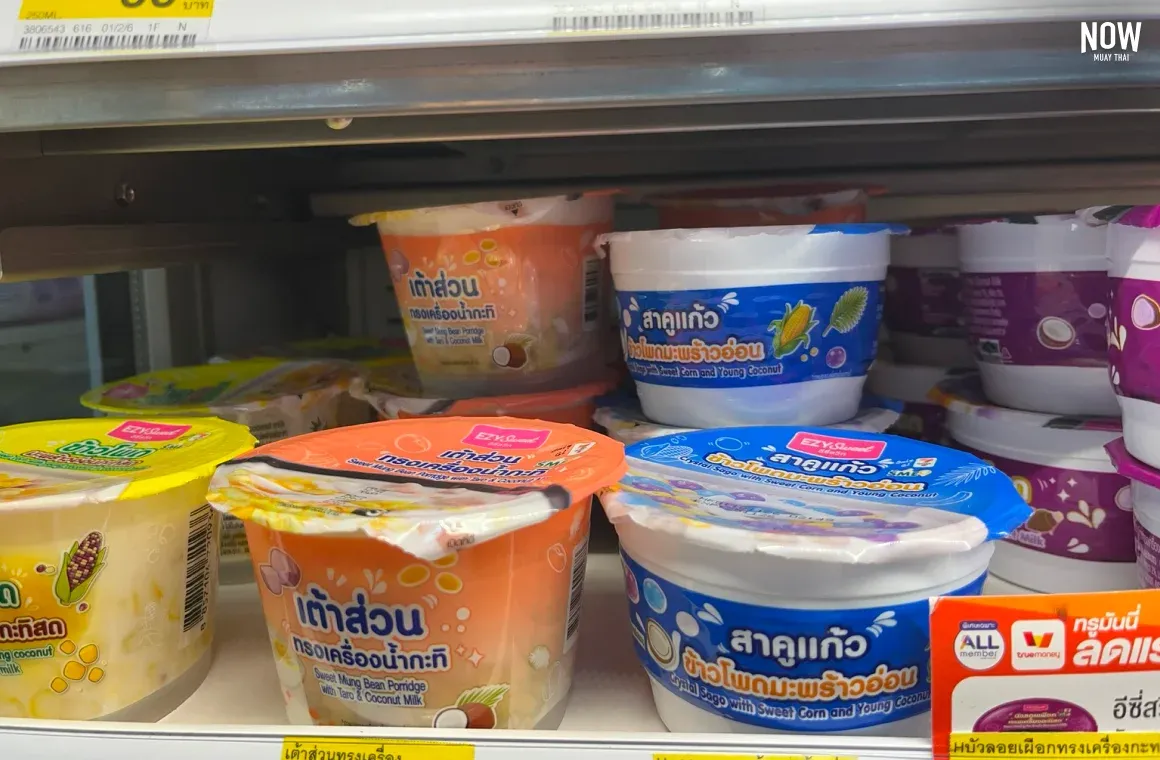
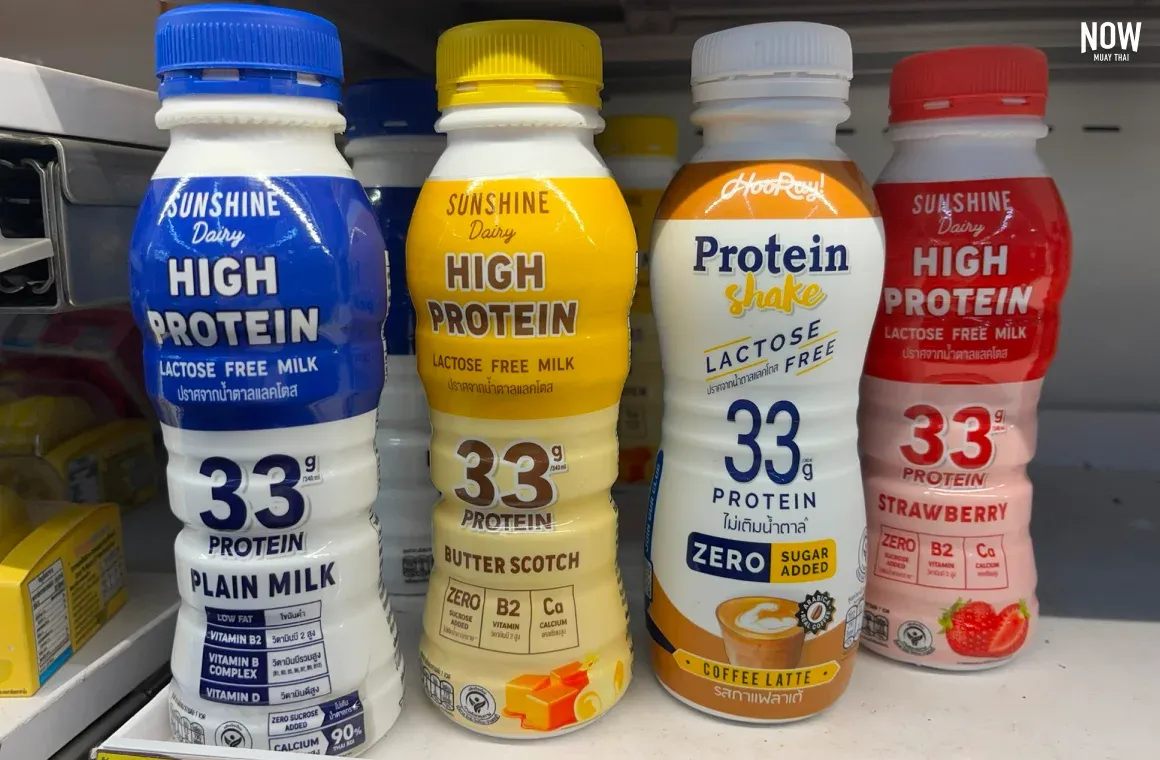
- Protein cups: Convenient ready-to-eat protein options that can help you increase your protein intake.
- Protein milk: A practical way to get protein when you are on the go.
- Bananas and other fruit: Provide carbohydrates and are easy to eat between workouts.
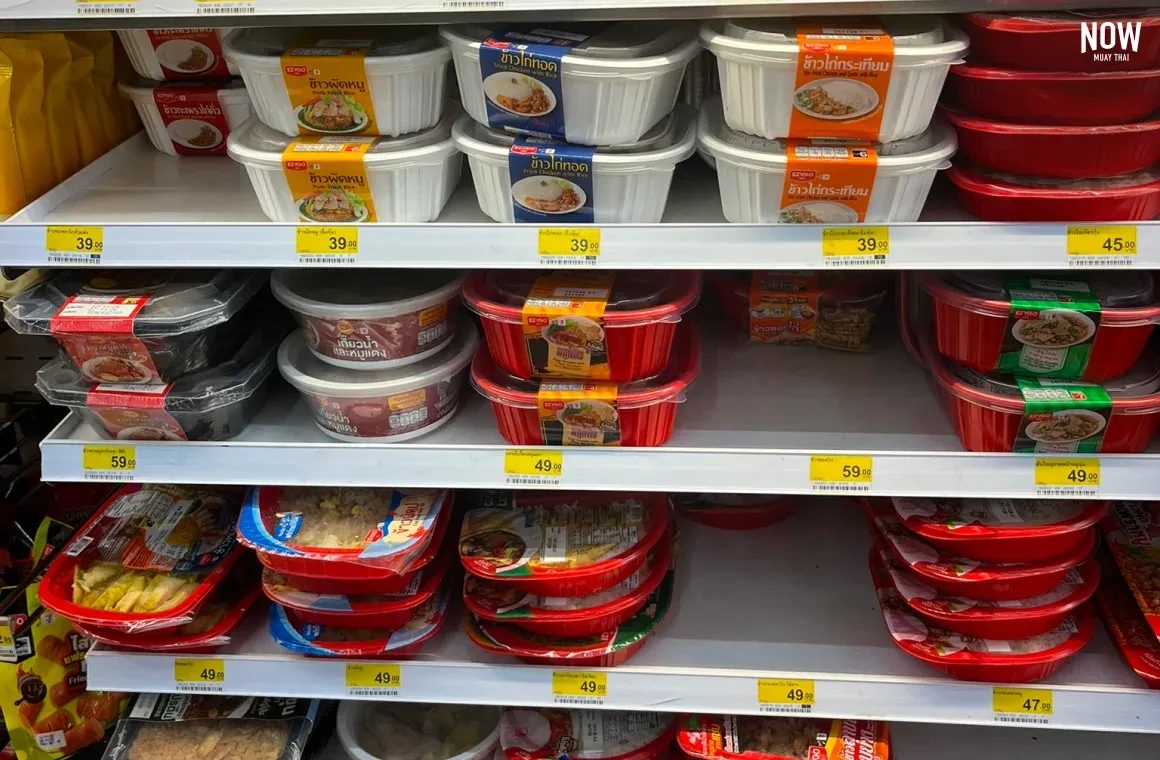
- Ready-to-eat meals: Microwave meals containing rice, chicken, meat or other protein sources.
- Noodle meals: A convenient carbohydrate source that can be combined with additional protein.
Check the nutritional labels when choosing protein products and ready-made meals. Protein content, sugar, sodium and portion sizes can vary considerably between products.
What About Dinner After Afternoon Training?
After your afternoon session, have a complete meal containing carbohydrates and protein. You do not need to restrict yourself to plain chicken and rice. Many popular Thai dishes can fit into a balanced training diet.
Some good options include:
- Pad Thai: Rice noodles provide carbohydrates, while chicken, shrimp or tofu add protein.
- Tom Yum: A flavourful soup that can include shrimp, chicken or fish. Add rice to make it a more substantial meal.
- Som Tam: A refreshing papaya salad that can accompany grilled chicken and sticky rice.
- Chicken rice: A simple combination of carbohydrates and protein.
- Large noodle dishes: Noodles with meat, eggs or seafood provide a convenient post-training meal.
How to Eat When Training Muay Thai Twice a Day
Most Muay Thai gyms in Thailand offer a morning and afternoon training session. This schedule gives you several hours between workouts, which is enough time to eat, hydrate and begin recovering before the next class.
The key is to make breakfast and lunch count instead of relying on one large dinner at the end of the day.
Morning: Before Your First Session
If your morning session is at 7:30 or 8:00 AM, sometimes you don't have much appetite. If you can tolerate food, have a small carbohydrate snack 30–60 minutes before class. A banana is a great choice and it can provide a useful energy boost.
After Morning Training:
Around 10:00 or 11:00 AM you can eat a proper meal. This should be one of your main meals. Ideally, eat around two to three hours before your afternoon workout, allowing enough time to digest. Choose a carbohydrate-rich meal with lean protein and vegetables. Thai meals such as chicken with rice, stir-fried noodles with chicken or rice with grilled fish are convenient choices.
Before the Afternoon Class: Have a Small Snack
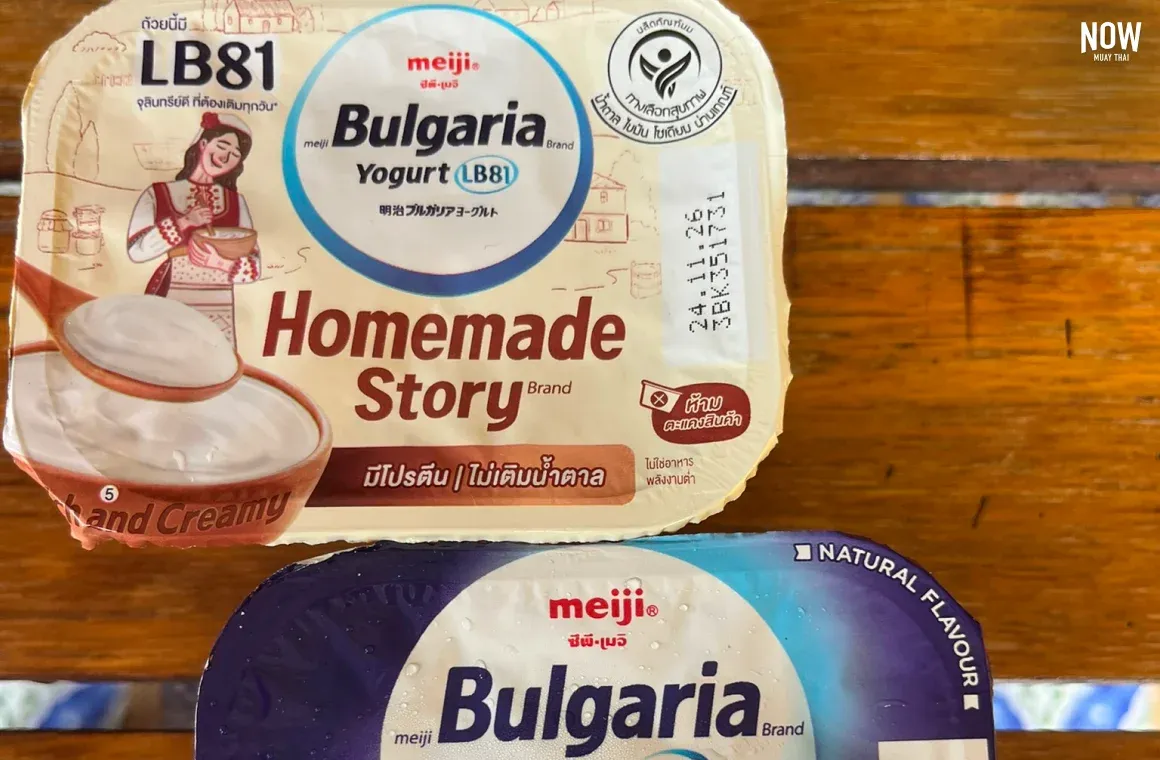
If you feel hungry or your energy is dropping, have a banana, yogurt or another easily digestible snack 30–60 minutes before class.
After Afternoon Training: Recover and Replenish
Finish the day with a balanced dinner containing carbohydrates, protein and vegetables. If you have struggled to eat enough throughout the day, dinner is an opportunity to make up some of your nutritional requirements, but it should not be your only substantial meal.
| Time | Meal | Food Examples |
|---|---|---|
| Before morning class | Light snack | Banana, toast or rice cakes |
| 10:00–11:00 | Breakfast after training | Chicken rice, eggs and fruit |
| Midday | Lunch | Rice or noodles with chicken, fish or tofu |
| Before afternoon class | Optional snack | Banana, yogurt or toast |
| 19:00–19:30 | Dinner after training | Pad Thai, Tom Yum with rice or Som Tam with chicken |
| Before bed | Optional snack | Protein milk or yogurt |
How to Eat When Training Muay Thai Three Times a Day
Adding a private Muay Thai session between your regular morning and afternoon classes can make your training day significantly more demanding.
Private sessions often involve more focused pad work, technical corrections, combinations or conditioning. Depending on their intensity, they can add considerably to your daily energy expenditure.
The biggest nutritional challenge is having enough time to recover between sessions without feeling too full during the next workout.
Do Not Skip the Recovery Snack
After your morning class, eat a proper breakfast. If you have a private session a few hours later, add a small snack before it and another recovery snack afterwards if needed.
For example:
- Before the private session: Banana, toast with honey or another small carbohydrate snack.
- After the private session: Protein milk or a protein cup from 7-Eleven, together with fruit.
- Before the afternoon class: An easily digestible meal containing rice or noodles and lean protein, ideally two to three hours beforehand.
Use Smaller, More Frequent Meals
When training three times a day, eating three enormous meals may not be comfortable. Instead, distribute your food intake across meals and snacks.
This makes it easier to consume enough carbohydrates and protein without feeling overly full during training.
| Training Stage | Recommended Nutrition |
|---|---|
| Before morning training | Banana or small carbohydrate snack |
| After morning training | Full breakfast with rice, eggs or chicken |
| Before private session | Banana, fruit or toast |
| After private session | Protein milk or protein cup with fruit |
| Before afternoon training | Balanced meal with rice or noodles and lean protein |
| After afternoon training | Full recovery dinner |
| Before bed | Additional protein if needed |
The Best Foods for Muay Thai Training
You do not need an expensive or complicated diet to train Muay Thai effectively. In Thailand, many of the best training foods are inexpensive, widely available and easy to find near gyms.
1. Carbohydrates: Your Main Training Fuel
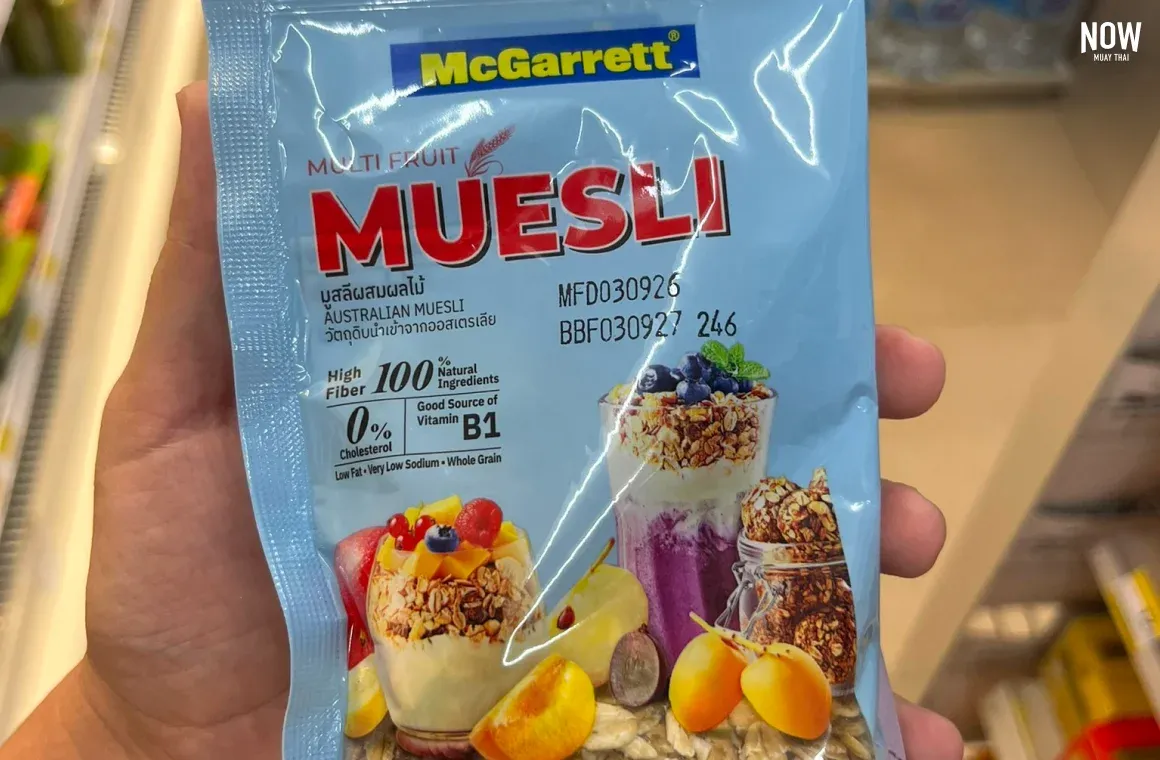
Carbohydrates help maintain energy levels during repeated high-intensity efforts. They should be a regular part of your meals, particularly on days with multiple sessions.
- Jasmine rice: Easy to find, versatile and useful for refuelling.
- Bananas: Convenient before or after training.
- Oats: A good breakfast option.
- Sweet potatoes: A source of carbohydrates and fibre.
- Noodles: A practical alternative to rice for lunch or dinner.
- Potatoes: Another useful carbohydrate source.
2. Protein: Support Muscle Recovery
Protein provides the amino acids your body needs to repair and maintain muscle tissue after demanding workouts.
- Eggs: Affordable and easy to include in breakfast.
- Chicken: A convenient lean protein source.
- Fish: Provides protein and beneficial fats, depending on the type.
- Lean pork: Common in Thai meals.
- Tofu: A useful plant-based protein option.
- Milk and yogurt: Convenient additions to snacks and recovery meals.
3. Fruits and Vegetables
Fruits and vegetables provide vitamins, minerals, antioxidants and fibre. They are important for overall health and help make your diet more balanced.
- Bananas for convenient carbohydrates and potassium.
- Watermelon for fluids and carbohydrates.
- Oranges for vitamin C and fluids.
- Papaya for fibre and vitamins.
- Leafy vegetables for folate and other micronutrients.
- Carrots and broccoli for a variety of vitamins and minerals.
4. Healthy Fats
Fats support normal hormone production, cell function and overall health. Include moderate portions of healthy fat sources in your daily diet.
- Avocados.
- Nuts and seeds.
- Olive oil.
- Fatty fish.
- Peanut butter.
However, avoid eating large portions of high-fat foods immediately before training because they can slow digestion and cause discomfort.
Easy Thai Meals for Muay Thai Athletes
Eating well in Thailand does not mean you have to cook every meal or spend a lot of money on specialised sports nutrition products. Many traditional Thai dishes can fit into a training diet.
| Thai Dish | Why It Works |
|---|---|
| Khao Man Gai (Chicken Rice) | Rice provides carbohydrates and chicken provides protein. |
| Pad Kra Pao with Rice | A convenient combination of rice and protein. Choose a lean meat option. |
| Tom Yum with Rice | A flavourful soup with protein, served with carbohydrates. |
| Pad Thai with Chicken or Shrimp | Rice noodles provide carbohydrates, while chicken or shrimp add protein. |
| Grilled Fish with Rice | A balanced meal with protein and carbohydrates. |
| Som Tam with Grilled Chicken | Combines vegetables, protein and carbohydrates when served with sticky rice. |
| Thai Omelette with Rice | A simple meal providing protein and carbohydrates. |
When ordering, you can ask for less oil, extra vegetables or an additional portion of protein. If you have a demanding training schedule, do not be afraid to order an extra portion of rice.
Eating Well with 7-Eleven Food in Thailand
You do not always need to visit a restaurant or prepare your own meals to eat properly while training Muay Thai. Thailand's 7-Eleven stores are particularly convenient for people staying near a gym or following a busy training schedule.
Protein Cups and Protein Milk
Protein cups and ready-to-drink protein milk are convenient options when you need to increase your protein intake without preparing a full meal. They are particularly useful after training or between sessions when you have limited time.
Pair them with a banana, another fruit or a carbohydrate-rich snack to support recovery more effectively.
Microwave Meals
7-Eleven offers a variety of ready-to-eat microwave meals, including rice dishes, chicken, pork, eggs and other combinations. These can be practical alternatives instead of eating at a restaurant.
Try switching between different meals instead of eating the same thing every day. Look for options containing both carbohydrates and protein, and add fruit or vegetables when possible.
Noodle Meals
Large noodle meals can provide a convenient source of carbohydrates, particularly after a demanding session. However, some instant noodle products are relatively low in protein and high in sodium.
Where possible, combine them with eggs, chicken, fish or another protein source. If you are using them as a main meal, make sure the overall meal provides enough nutrition for your training needs.
Useful 7-Eleven Shopping List
- Protein cups: A convenient protein-rich snack.
- Protein milk: Useful after training or between sessions.
- Bananas and fresh fruit: Easy pre-training snacks.
- Microwave rice meals: Look for options with chicken, pork, eggs or fish.
- Ready-made noodle meals: Useful when you need a quick carbohydrate-rich meal.
- Eggs: An easy additional protein source.
- Water and electrolyte drinks: Useful for maintaining hydration, depending on sweat losses.
Hydration and Electrolytes: Training in Thailand's Heat
Hydration is just as important as food when training Muay Thai in Thailand. High temperatures, humidity and intense physical activity can cause you to lose significant amounts of water and electrolytes through sweat.
Even when you are eating properly, dehydration can affect your endurance, concentration and ability to maintain training intensity.
Before Training
Start your session properly hydrated rather than trying to drink a large amount of water immediately before class. Drink regularly throughout the morning and have fluids with your meals.
During Training
Keep a water bottle nearby and drink during breaks. For shorter sessions, water is generally sufficient. For prolonged or particularly intense sessions in hot conditions, an electrolyte drink may be useful.
After Training
Continue drinking after your workout and include fluids with your next meal. If you have another session later in the day, replacing lost fluids becomes especially important.
Do You Need Electrolytes?
Electrolytes, particularly sodium, help regulate fluid balance and normal muscle and nerve function. When you sweat heavily, you lose sodium as well as water.
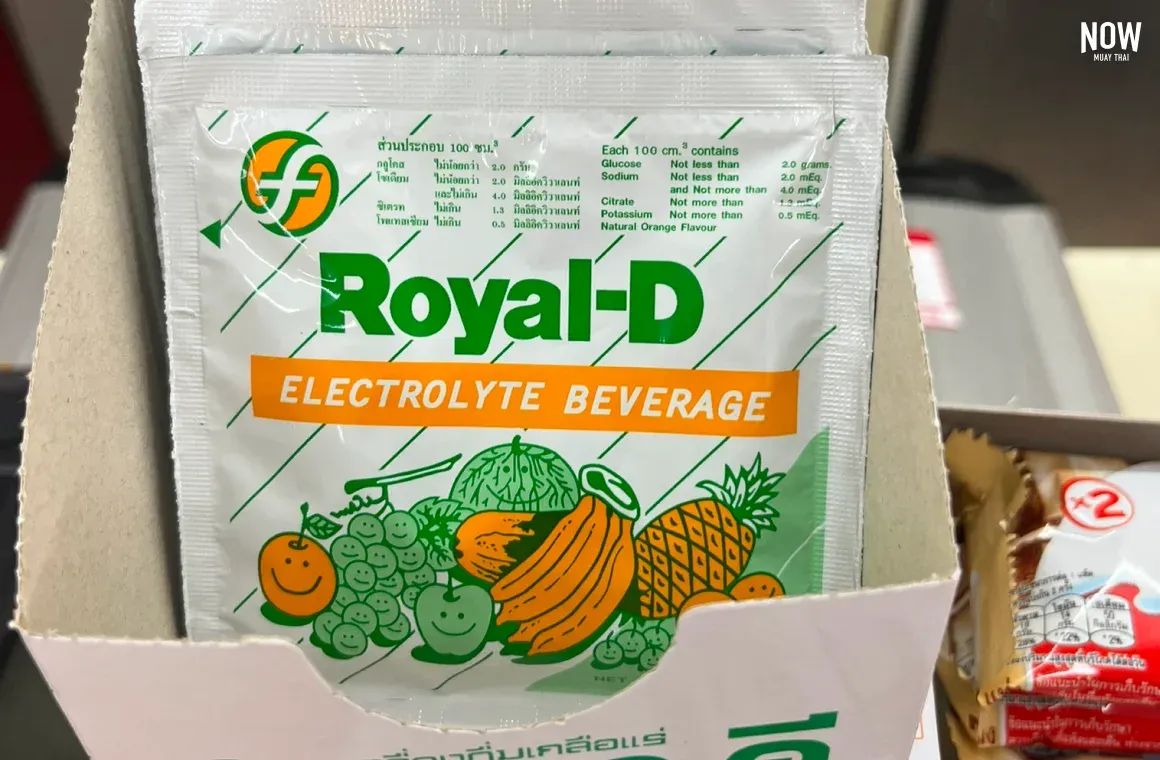
Electrolytes do not directly provide energy or increase your physical power. Carbohydrates are the main fuel for intense training, while electrolytes help your body maintain proper hydration and muscle function.
Consider an electrolyte drink when:
- You sweat heavily during pad work or conditioning.
- You complete two or three demanding sessions in one day.
- You train for prolonged periods in hot and humid conditions.
- You need to replace significant fluid and sodium losses between sessions.
For shorter or less intense sessions, water is generally sufficient. You do not necessarily need an electrolyte drink after every workout.
Do not force yourself to drink excessive amounts of plain water. Your hydration needs depend on your body size, sweat rate, session duration and the weather. The goal is to replace losses without overdrinking.
What to Avoid Eating Before Muay Thai Training
You do not need to eliminate any particular food group to train Muay Thai. However, some foods can make it harder to train comfortably, especially when eaten shortly before a session.
- Deep-fried foods: Fried chicken, spring rolls and other greasy foods can take longer to digest.
- Very spicy meals: They may cause stomach discomfort, particularly during intense exercise.
- Large portions: Eating too much immediately before training can make kicking, running and core movements uncomfortable.
- High-fibre meals: Large servings of beans, raw vegetables and whole grains may cause bloating in some people.
- Heavy desserts: Large amounts of cream and butter can leave you feeling sluggish.
- Alcohol: It can interfere with hydration, sleep and recovery.
The timing and portion size matter more than avoiding these foods completely. A meal that works perfectly three hours before training may not feel comfortable 30 minutes before class.
Example Daily Meal Plans for Muay Thai Training
Here are two practical examples of how to organise your meals when training twice or three times a day. The suggestions combine regular Thai meals, convenient snacks and products commonly available at 7-Eleven.
These are practical examples rather than fixed meal prescriptions. Portion sizes should be adjusted according to your body weight, appetite, training intensity and individual energy requirements.
Example 1: Training Twice a Day
06:00 - 7:00 - Before Morning Training
One banana and water. If you are hungry, add a small snack such as toast.
10:00 -11:00 - After Morning Training
Chicken rice (Khao Man Gai), with an extra portion of chicken if needed. Have water and fruit alongside your meal.
13:00 - 14:00 - Between Sessions
A protein cup or protein milk from 7-Eleven, together with a banana or another small fruit.
14:30 – Before Afternoon Training
A banana or a small carbohydrate-rich snack if you feel hungry.
19:00 - 19:30 - After Afternoon Training
Choose a proper Thai meal such as Pad Thai with chicken or shrimp, Tom Yum with rice, or Som Tam with grilled chicken and sticky rice.
Before Bed - Optional Snack
Protein milk, yogurt or another snack if you still need additional protein or energy.
Example 2: Training Three Times a Day
06:00 - 7:30 - Before Morning Group Class
One banana and water.
09:30 - 10:00 - After Morning Training
Chicken rice with an extra portion of chicken, or rice with eggs and grilled meat.
Before Private Training
A banana, a small fruit portion or toast with honey.
After Private Training
Protein milk or a protein cup from 7-Eleven, together with a banana or another carbohydrate-rich snack.
Before Afternoon Group Class
A microwave chicken and rice meal or a noodle meal with protein, ideally eaten two to three hours before training. Adjust the portion to your appetite and digestion.
19:00 - 19:30 - After Afternoon Training
A substantial Thai dinner such as Pad Thai, Tom Yum with rice, or grilled chicken with Som Tam and sticky rice.
Before Bed - Optional Snack
Protein milk, yogurt or another protein-rich snack if you have not yet met your daily protein needs.
Common Nutrition Mistakes When Training Muay Thai
Even people who train consistently can make nutritional mistakes that affect their performance. Here are some of the most common ones to watch out for.
1. Skipping Breakfast After Morning Training
After an intense morning session, your body needs energy to recover. Skipping breakfast can leave you under-fuelled for the rest of the day, especially if you have another workout scheduled.
2. Eating Too Little Carbohydrates
Some people avoid rice, noodles and other carbohydrate sources because they associate them with weight gain. However, carbohydrates are an important fuel source for high-intensity training. Removing too much of them can make repeated workouts harder.
3. Consuming Only Protein After Training
Protein supports muscle repair, but it does not replace the carbohydrates used during demanding training. Include both in your recovery meals.
4. Forgetting to Drink Enough
In Thailand, you can lose a lot of fluid through sweat without always noticing it. Make hydration part of your daily routine rather than something you think about only when you feel thirsty.
5. Eating One Huge Meal at the End of the Day
Waiting until dinner to eat most of your daily calories makes it harder to recover between sessions. Distribute your meals and snacks throughout the day.
6. Adding More Training Without Adjusting Food Intake
If you add a private class to your regular schedule, your energy requirements may increase. Make sure you are eating enough to support the additional workload.
7. Not Getting Enough Sleep
Nutrition is only one part of recovery. Sleep is essential for muscle repair, physical adaptation and mental performance. Try to maintain a consistent sleep schedule and allow enough time for recovery.
Frequently Asked Questions About Muay Thai Nutrition
Should I eat before morning Muay Thai training?
It depends on your appetite, training intensity and how much time you have. A small carbohydrate snack such as a banana or toast can provide energy. If you prefer training without breakfast, make sure you eat a proper recovery meal afterwards.
Is rice good for Muay Thai training?
Yes. Rice is an excellent source of carbohydrates and is particularly convenient for people training in Thailand. It can be combined with chicken, fish, eggs or tofu to create balanced meals.
How much protein do I need when training Muay Thai twice a day?
A useful general target for active athletes is approximately 1.4–2.0 grams of protein per kilogram of body weight per day. Your individual needs depend on your training load, body composition goals and total energy intake. Distribute protein across meals rather than consuming it all at once.
Do I need protein powder to recover from Muay Thai?
No. You can get enough protein from regular foods such as eggs, chicken, fish, lean meat, tofu, milk and yogurt. Protein powder and ready-to-drink protein milk are simply convenient options when you struggle to meet your daily requirements through food.
Can I lose weight while training Muay Thai twice a day?
Yes, but weight loss should be gradual and should not compromise your ability to train and recover. A moderate calorie deficit, sufficient protein and appropriate carbohydrate intake are generally more sustainable than drastically reducing food intake.
Should I drink electrolytes after every Muay Thai session?
Not necessarily. Water is often sufficient for shorter sessions, while electrolyte drinks can be useful after prolonged, intense workouts or sessions involving heavy sweating, especially in Thailand's heat.
What should I eat between two Muay Thai sessions?
Choose a combination of carbohydrates and protein. A banana with yogurt, protein milk with fruit, rice with chicken or a smoothie with fruit and protein are practical options. The shorter the recovery window, the more important it becomes to start refuelling promptly.
What can I buy at 7-Eleven when training Muay Thai?
Useful options include protein milk, protein cups, bananas, ready-to-eat rice meals, microwave chicken meals, eggs and noodle dishes. Look for combinations that provide both carbohydrates and protein, and check nutritional labels when possible.
Is it okay to train Muay Thai three times a day?
It can be appropriate for some experienced athletes during structured training periods, but it is not necessary for everyone. Your ability to recover depends on session intensity, sleep, nutrition, fitness level and overall training volume. Beginners should build up gradually and discuss their schedule with their trainers.
Fuel Your Training, Not Just Your Workouts
Training Muay Thai twice or three times a day requires more than discipline. It requires a consistent approach to nutrition, hydration and recovery.
Eat enough carbohydrates to fuel your sessions, include protein throughout the day, replenish fluids after sweating and avoid skipping meals between workouts. You do not need a complicated diet or expensive supplements to get started. Simple Thai meals, fresh fruit and convenient options from 7-Eleven can go a long way.
Ultimately, the goal is not just to complete more training sessions. It is to recover well enough to keep improving, build better technique and enjoy your time at the gym.
Continue Your Muay Thai Journey
Want to go deeper before choosing your next gym or training camp? Explore our guides to other regions, seasons and ways to plan your training in Thailand.
- Muay Thai in Central Thailand: Cool Season Travel Guide
- Muay Thai Training in Northern Thailand: Winter Guide
- Thailand Summer Travel Guide: Best Destinations to Visit from March to May
- Training Muay Thai in Thailand's Rainy Season: Hidden Gem Guide
- Best Time to Train Muay Thai in Thailand: The Ultimate Winter Escape Guide
- Inside a Thai Muay Thai Camp: How Fighters Train, Eat, Recover and Prepare for Competition
- How to Plan Your Muay Thai Trip in Thailand Around Your Schedule
Learn more about Muay Thai

Back