
 Home
Home Muay Thai Gyms
 Training Classes
 Promotions
 Muay Thai Visa
 Blog
BlogEssential Travel Safety Guide for Thailand: Weather, Preparedness, & Emergency Action
October 7, 2026



Thailand is an easy country to explore, with a well-developed tourism infrastructure and plenty of ways to travel, train and experience local life. Like anywhere else, however, understanding the weather and knowing how to prepare for changing conditions can make your trip smoother and more comfortable.
This guide covers Thailand's regional weather patterns, practical preparation tips, what to do during severe weather and the official contacts worth saving before your trip.
Good travel preparation is not about expecting problems. It is about knowing the climate, protecting your essentials and having a simple plan if weather conditions temporarily affect your plans.
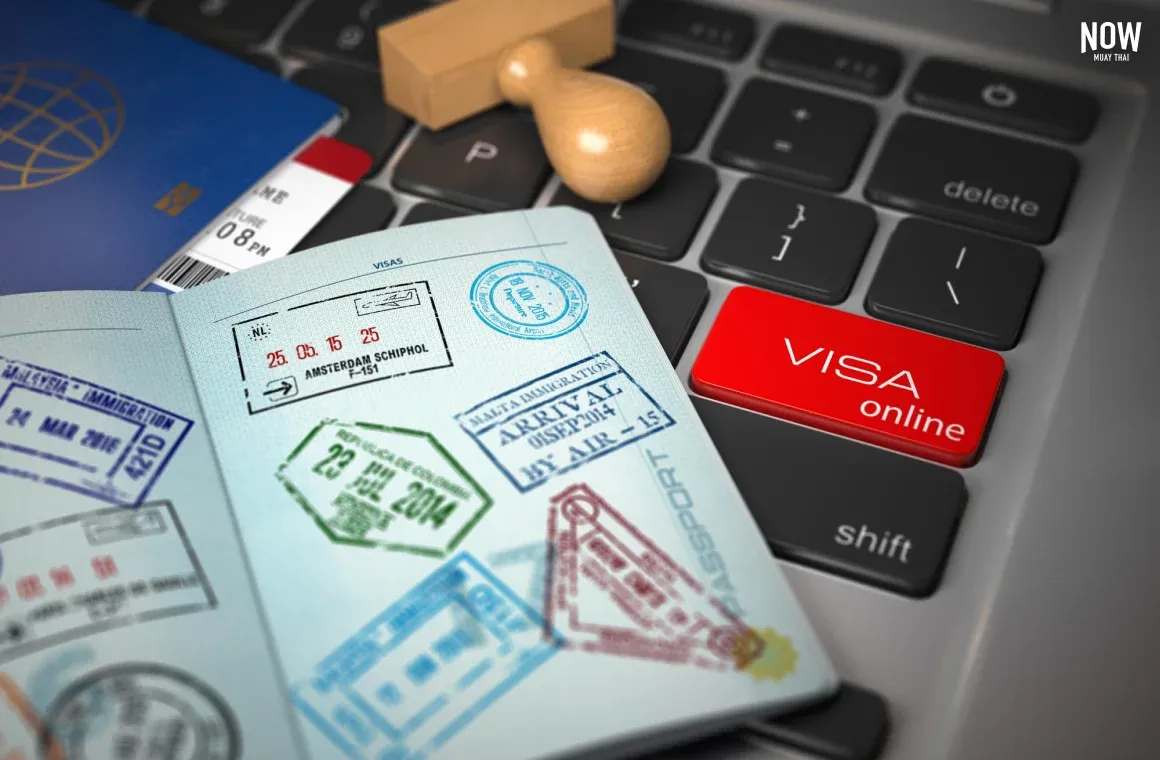 Make sure you have the correct visa before you travel
Travel Insurance
Before travelling, check that your insurance policy covers the activities you plan to do in Thailand. Look specifically for coverage related to natural disasters, severe weather disruptions and emergency medical care.
If you are planning to train Muay Thai, check the policy's rules for sports and training activities as well.
Protect Your Important Documents
Keep your passport, cash, identity documents and essential electronics protected from water. A small dry bag or several heavy-duty Ziploc bags can be useful additions to your day bag.
Consider keeping digital copies of important documents securely accessible as an additional backup.
Pack for Tropical Weather
Lightweight, quick-drying clothing made from materials such as polyester or nylon is practical for Thailand's warm and humid climate. You do not need to pack a large supply before your trip, as quick-drying clothes are easy to find after you arrive, often at affordable prices.
Keep a compact poncho or umbrella accessible. During the rainy season, inexpensive raincoats are widely available at convenience stores such as 7-Eleven, so you can pick one up when needed.
Sandals are a popular choice in Thailand because they dry quickly. Choose sandals or other footwear with good traction to help reduce the risk of slipping on wet surfaces.
Keep a Basic Health Kit
A small travel medical kit can include mosquito repellent, rehydration salts, antihistamines and any personal prescriptions you need. During periods of heavy rain, mosquitoes and standing water can become more common, so insect protection and good hydration are particularly useful.
 Rainy clouds over a lake between mountains
Understand Thailand's Regional Weather Patterns
Thailand does not have one single rainy season that affects the entire country in exactly the same way. Weather patterns vary considerably between the north, central Thailand, the Andaman coast and the Gulf coast.
The best way to prepare for Thailand's weather is to understand where you are going, when you are travelling and what conditions are typical for that region.
| Region | Peak Wet / Monsoon Season | Weather Patterns & Travel Notes |
|---|---|---|
| Northern & Northeastern Thailand | May to October | Heavy thundershowers can occur during the monsoon period. Mountainous areas can also experience flash flooding and landslides during periods of particularly heavy rainfall. |
| Central Thailand & Bangkok | May to October | Heavy localized downpours can cause temporary urban waterlogging and street flooding, particularly when intense rainfall coincides with river runoff. |
|
Eastern Thailand Pattaya / Trat |
May to October | Heavy rain can cause localized flooding, particularly around hilly areas. Coastal conditions can also become rough during periods of unsettled weather. |
|
Southern Thailand — Andaman Coast Phuket / Krabi |
May to October | The southwest monsoon can bring periods of heavy rain, strong waves and powerful currents. Check local beach and maritime conditions before swimming or taking boat trips. |
|
Southern Thailand — Gulf Coast Samui / Phangan |
October to January | The Gulf coast generally receives its heavier rainfall later in the year, influenced by the northeast monsoon. |
These are broad seasonal patterns rather than guarantees for individual days. Tropical weather can change quickly, so always check the current forecast for your specific destination before travelling.
What to Do During Severe Weather
Most changes in weather simply mean adjusting your plans for a few hours. If conditions become more serious, however, the best approach is to stay calm, move away from exposed areas and follow information from local authorities.
- Move to Higher Ground If water levels are rising rapidly, move to an upper floor of a structurally sound building or to a designated local evacuation shelter. Do not wait until water has made your current location difficult to leave.
- Keep Away From Electricity If water enters your accommodation, avoid electrical outlets, appliances and other electrical equipment. If it is safe to do so, switch off the main circuit breaker. Never approach fallen power lines or submerged electrical infrastructure.
- Do Not Cross Submerged Areas Avoid walking, swimming or driving through moving floodwater. Water can conceal open drains, missing manhole covers, debris, uneven surfaces and other hazards that are difficult to see.
- Follow Beach and Maritime Warnings If a beach displays red warning flags, do not enter the water. Strong currents and dangerous sea conditions can develop quickly, particularly during periods of monsoon weather.
If heavy rain affects your itinerary, the safest choice is often also the easiest: stay somewhere secure, wait for conditions to improve and use official updates to decide when to continue your journey.
From Chiang Rai and Udonthani to Koh Phangan, Krabi and Phuket, our guide breaks down every region in Thailand and gives you the best recommendations with things to enjoy during the rain. Read: Training Muay Thai in Thailand's Rainy Season: Hidden Gem Guide
 It's always good idea to make sure you know emergency numbers
Thailand Emergency Numbers Worth Saving
Save important contacts before your trip rather than searching for them during an emergency. Most travelers will never need these numbers, but having them available gives you a simple backup if you need assistance.
General & Tourist Support
24/7 tourist assistance and emergency support for foreign visitors.
Direct line for police and law-enforcement assistance.
Nationwide emergency medical and ambulance response.
Liaison contact provided for foreign nationals requiring assistance during flood-related situations.
Disaster & Utility Assistance
National disaster reporting and rescue coordination.
For localized flooding and drainage issues within Bangkok.
For electrical outages and hazards outside Bangkok.
For electrical outages and hazards in Bangkok and surrounding areas.
How to Monitor Thailand Weather in Real Time
When weather conditions are changing, use official information rather than relying on unverified posts or social media rumors. This is particularly important when deciding whether to travel between cities, take a boat or continue an outdoor activity.
Thai Meteorological Department
Check the official Thai Meteorological Department website for weather forecasts, warnings and regional conditions. You can also call 1182 for weather information.
Your Embassy or Consulate
Check whether your home country offers a traveler registration or alert service. Examples include Smartraveller for Australian travelers and STEP for U.S. citizens.
Keep your embassy or consulate's local contact information available during longer trips.
Check Transport Before Leaving
Check your airline directly for flight updates before heading to the airport. For road conditions, the Highway Police Hotline can be reached at 1193.
Enable Mobile Emergency Alerts
Make sure your phone can receive location-based emergency alerts. Official warnings can provide useful information when conditions change in your current area.
 Colourful Sunset over a mountain in Thailand
A Simple Weather-Ready Routine for Travelers
You do not need to constantly monitor the weather throughout your holiday. A simple routine is enough for most travelers.
- Check the forecast each morning Look at the conditions for the area where you will actually be spending the day, particularly if you have outdoor activities planned.
- Check before long-distance travel Before taking a flight, bus, train, ferry or road trip, check both weather and transport updates.
- Carry your essentials Keep your phone, passport, money, medication and important documents protected from rain and easily accessible.
- Adjust outdoor plans when necessary Thailand offers plenty to do even when rain changes your original itinerary. If conditions are unsuitable for swimming, hiking or travelling, simply move the activity to another day.
- Use official information If a weather situation develops, check government and transport sources rather than making decisions based on unverified online posts.
Recommended Muay Thai Gyms in Thailand
Planning a Muay Thai trip around Thailand's seasonal weather? These gyms offer options across different regions, from Chiang Mai in the north to Bangkok, Pattaya and destinations in the northeast. Choose a location that fits your travel dates, training plans and the experiences you want to enjoy outside the gym.
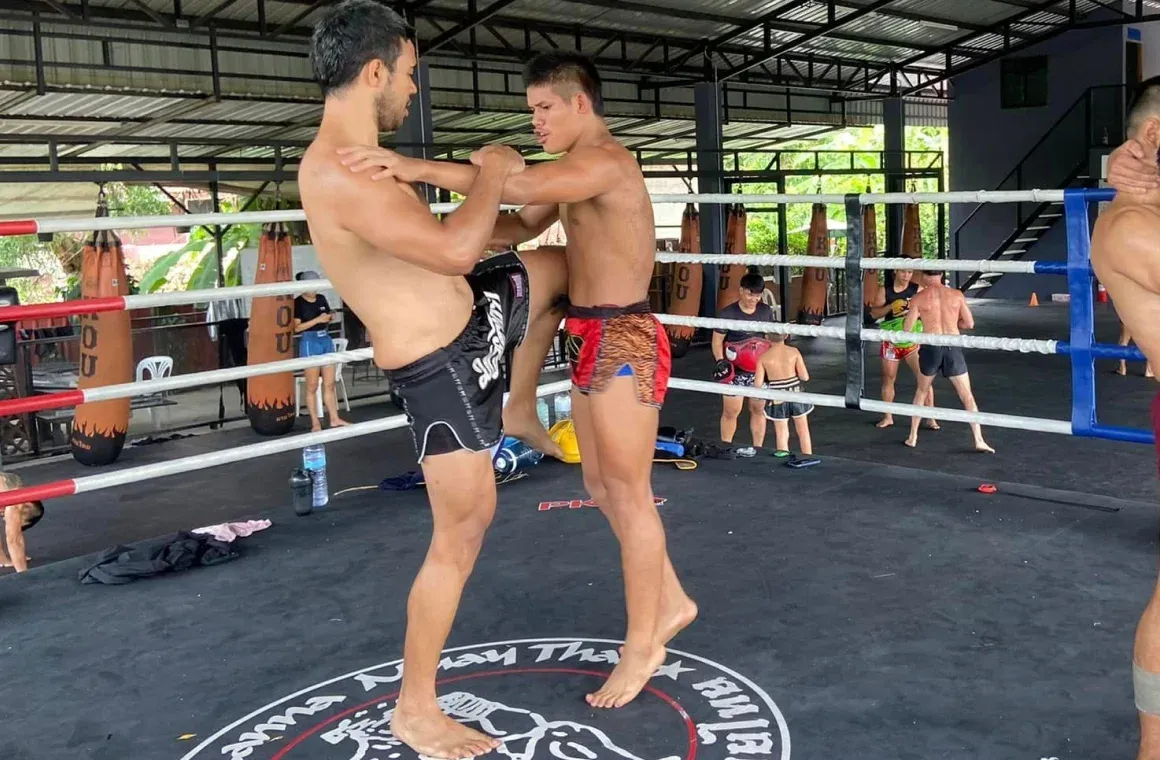
Lanna Muay Thai
Chiang Mai, Thailand
A northern Thailand option for travelers who want to combine Muay Thai training with a stay in Chiang Mai. Consider the region's seasonal weather when planning outdoor activities.

Kru Dam Gym
Bangkok, Thailand
Train in Thailand's capital while enjoying access to the city's food, culture and urban attractions. Bangkok can be a practical choice for travelers who prefer a city-based training stay.
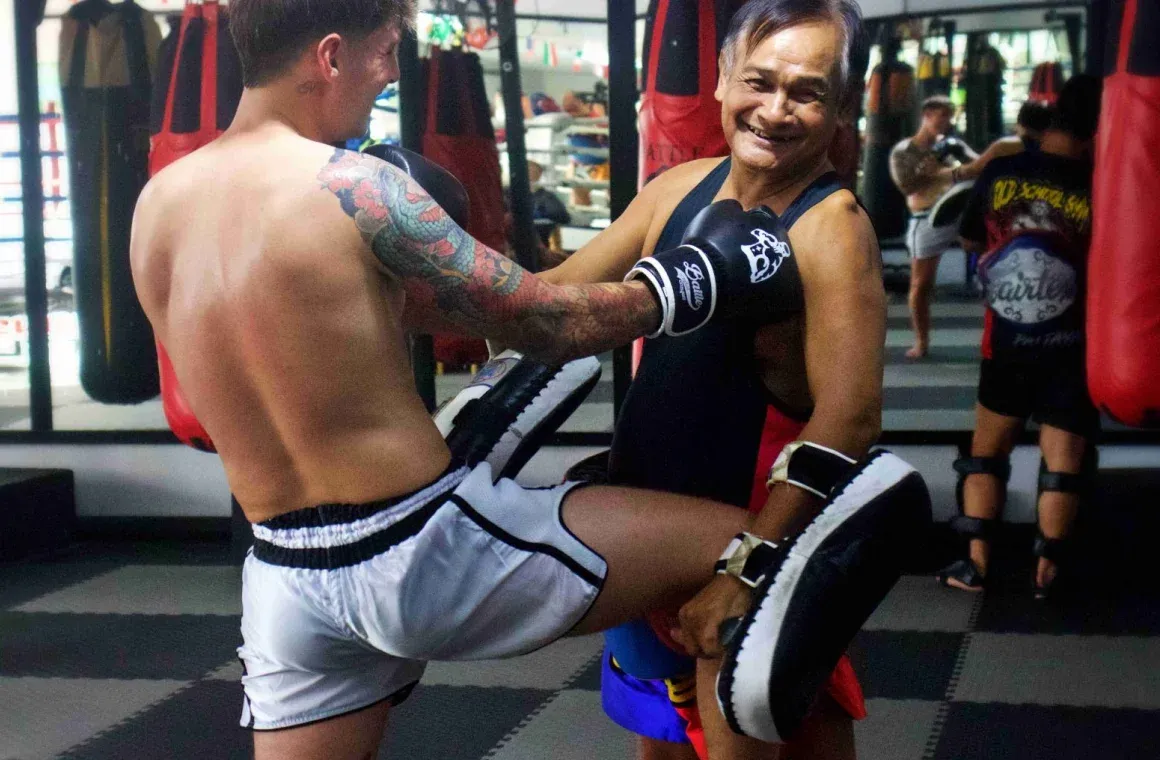
Battle Conquer Pattaya
Pattaya, Thailand
A Pattaya-based option for travelers looking to make Muay Thai part of their Thailand stay while keeping coastal attractions and activities on their itinerary.
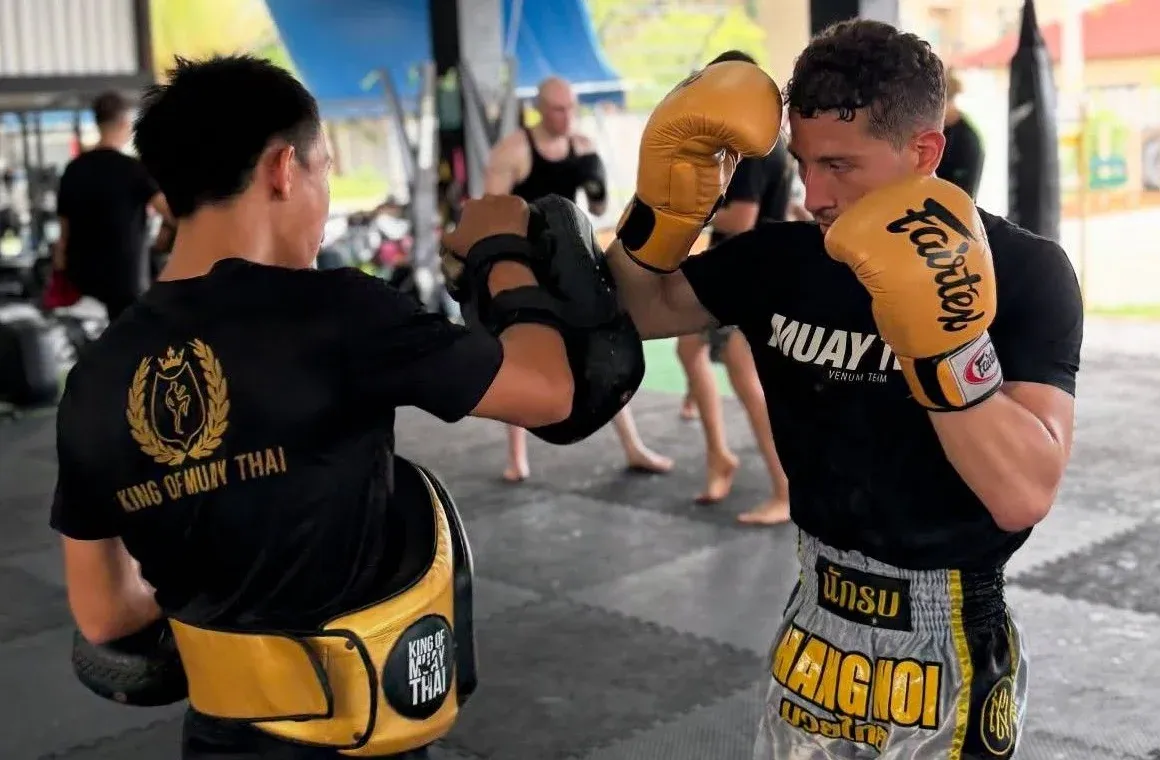
King of Muay Thai
Hua Hin, Thailand
A Hua Hin option for travelers who want to combine Muay Thai training with a coastal getaway. Consider the seasonal weather when planning beach visits and other outdoor activities.
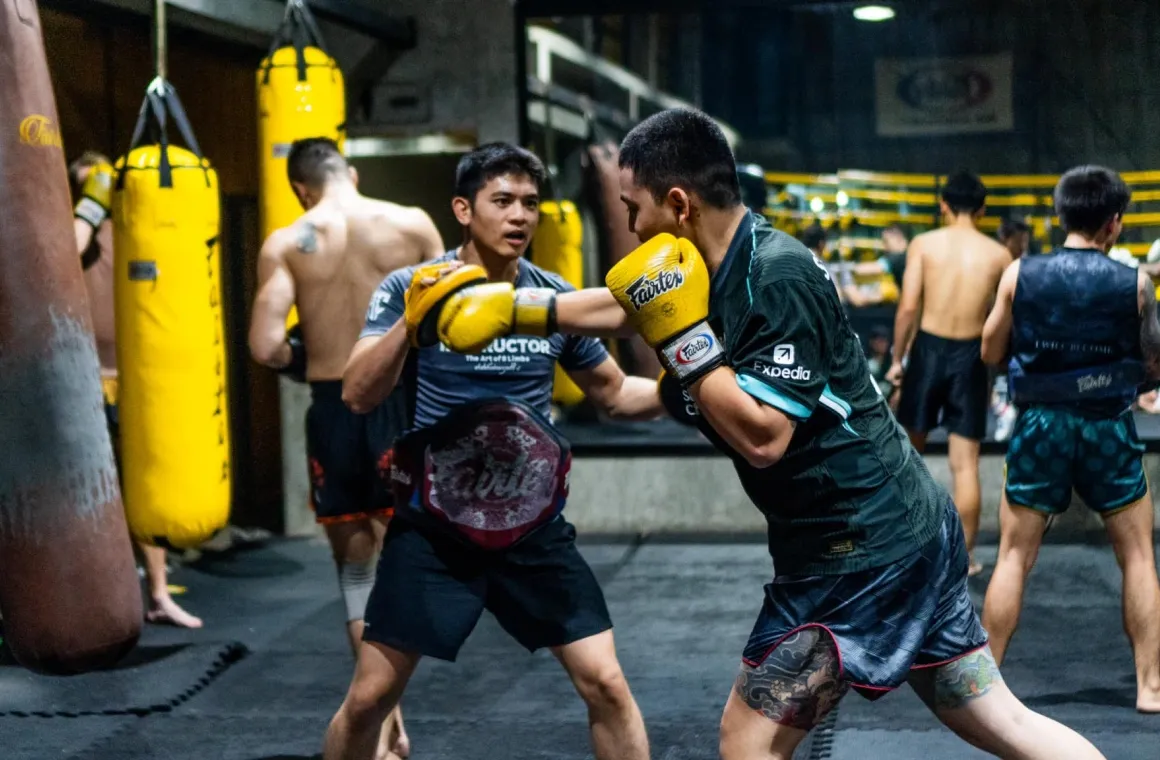
Fight Club Udon Thani
Udon Thani, Thailand
Explore a training option in northeastern Thailand if you want to discover a different part of the country beyond the main tourist destinations.

MBT Muay Thai
Chiang Rai, Thailand
Another northern Thailand option for travelers interested in combining Muay Thai training with time in Chiang Rai. Plan sightseeing and outdoor activities around local conditions.
Travel Prepared, Enjoy Thailand More
Thailand's tropical weather is part of what makes the country so distinctive. Warm temperatures, seasonal rain and changing regional conditions are simply part of planning a trip here.
A lightweight rain jacket, protected documents, sensible footwear, travel insurance and a few saved emergency numbers can go a long way. Once those basics are covered, you can focus on what brought you to Thailand in the first place — exploring new places, meeting people, enjoying the food and experiencing the country's culture.
The Essential Thailand Travel Checklist
Before your trip, make sure you have:
- Travel insurance that covers your planned activities and relevant weather-related disruptions
- A waterproof bag or protection for your passport and electronics
- Lightweight, quick-drying clothing
- Non-slip footwear and rain protection
- Mosquito repellent and a basic travel medical kit
- Your personal prescriptions and rehydration supplies
- Important emergency numbers saved in your phone
- Your embassy or consulate contact information
- Access to official Thai weather and emergency updates
Good preparation should make your trip feel easier, not more complicated. Know the seasonal patterns, check conditions when needed and give yourself flexibility when the weather changes. With those simple habits, you can enjoy your time in Thailand with greater confidence and less stress.
Continue Your Muay Thai Journey
Want to go deeper before choosing your next gym or training camp? Explore our guides to finding the right gym, preparing for your first training experience and understanding what to expect when you train in Thailand.
- Training Muay Thai in Thailand's Rainy Season: Hidden Gem Guide
- Best Time to Train Muay Thai in Thailand: The Ultimate Winter Escape Guide
- Thailand Summer Travel Guide: Best Destinations to Visit from March to May
- Inside a Thai Muay Thai Camp: How Fighters Train, Eat, Recover and Prepare for Competition
- Walk-in vs. Online Booking: Which Is the Best Way to Book a Muay Thai Class in Thailand?
- Authentic Fight Camp vs. Modern Boutique Gym: Which Muay Thai Experience Is Right for You?
- How to Plan Your Muay Thai Trip in Thailand Around Your Schedule
- Why Female Travellers Should Try Muay Thai in Thailand
- Find Your Best Version Through Muay Thai
Learn more about Muay Thai

Back