
 Home
Home Muay Thai Gyms
 Training Classes
 Promotions
 Muay Thai Visa
 Blog
BlogTraining Muay Thai in Northern Thailand in Winter
October 15, 2026


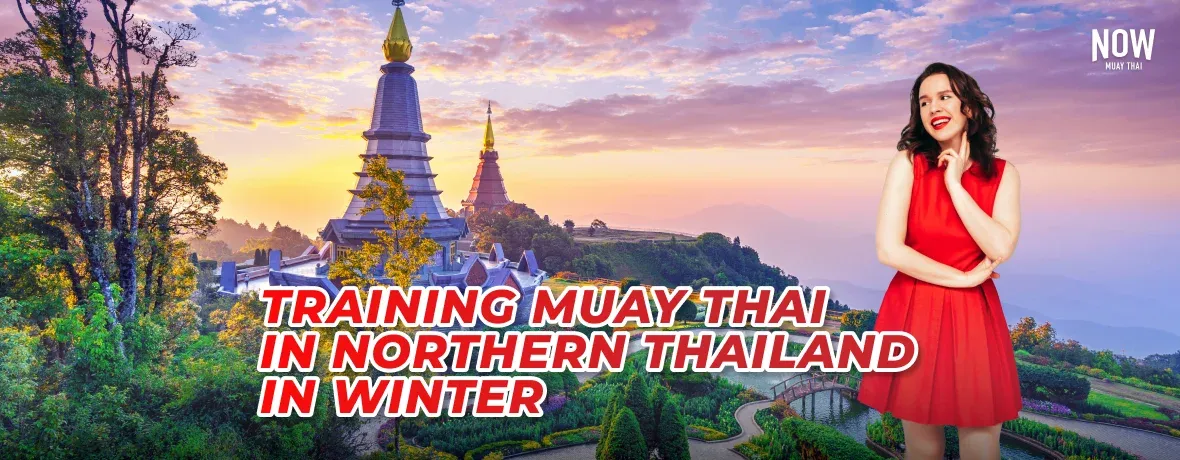
Escape the winter cold and discover a different side of Thailand. From the mountain scenery of Chiang Mai and Chiang Rai to the quieter countryside of Phetchabun and Isan, winter is a great time to combine Muay Thai training with exploring northern and northeastern Thailand.
Choose your destination around the experience you want: mountain scenery and culture in the north, or local life and a quieter training environment in Isan. Plan for cooler mornings, warm afternoons and regional differences in weather.
Why Train in Thailand During Winter?
Thailand's cool season is popular with travelers because daytime conditions are often comfortable for sightseeing, outdoor activities and training. In northern Thailand, the change from hot afternoons to cooler mornings can make the daily routine feel different from training during the hottest months.
Winter is also a good opportunity to explore destinations beyond Thailand's best-known beach areas. You can train in the morning, visit temples or local markets later in the day, and spend your rest days discovering mountains, national parks and regional food.
- Comfortable daytime temperatures for many outdoor activities.
- Generally lower humidity than during the hotter months.
- Cooler mornings and evenings in northern destinations.
- Opportunities to combine Muay Thai with mountain scenery and cultural visits.
- A chance to explore smaller cities and less-traveled regions.
- Options for beginners, recreational trainees and experienced practitioners.
- Good conditions for building a consistent training and recovery routine.
Winter is also a busy travel period. If you have particular dates, a preferred gym or accommodation requirements, booking ahead gives you more time to compare options and organize your stay.
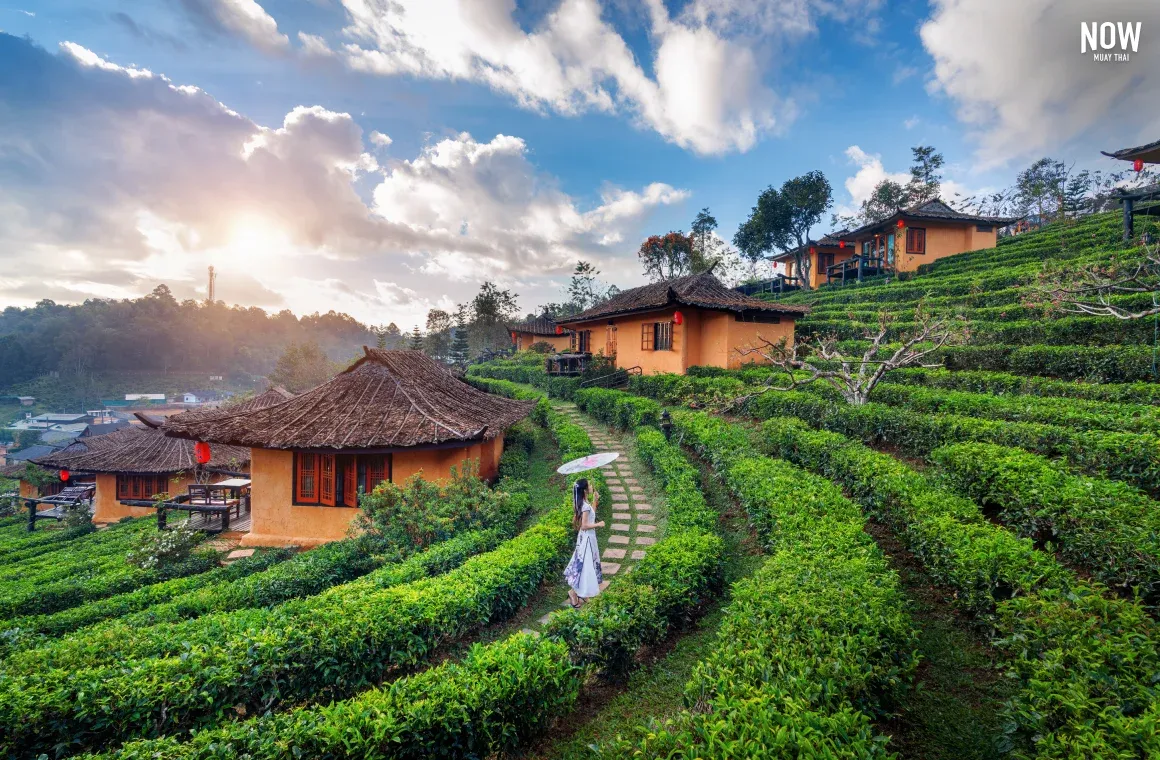 Tea plantation in Mae Hong Son, Pai
Winter Weather in Northern and Northeastern Thailand
Thailand does not have a single winter climate. Northern provinces can have cool mornings, especially in higher-elevation areas, while northeastern destinations often have warm afternoons and cooler nights. Temperatures also vary with altitude, location and the particular year.
| Destination | Typical Winter Conditions | What to Plan For |
|---|---|---|
| Chiang Mai | Cooler mornings, warm afternoons | Layered clothing for early training and evening outings |
| Chiang Rai | Cool mornings and evenings, warm days | A light jacket, particularly for early starts |
| Phetchabun | Conditions vary with elevation; upland areas can feel cool | Layers for outdoor activities and countryside excursions |
| Udon Thani | Warm days with cooler mornings and nights | Light clothing plus one warmer layer |
| Korat (Nakhon Ratchasima) | Generally warm days and cooler early mornings | Comfortable training clothes and a light evening layer |
These are general seasonal patterns, not a daily forecast. Check local weather conditions before travelling, particularly if your plans include mountain trips, long rides or outdoor excursions.
Winter in Thailand is still tropical. Pack for warm training sessions, but bring a light layer for early mornings and cooler evenings in the north.
One Important Consideration: Northern Thailand's Air Quality
Late winter can overlap with the seasonal haze and agricultural burning period in parts of northern Thailand. Air quality varies from day to day and year to year, so do not assume that every winter day will have clear mountain views.
If you are planning a longer stay in Chiang Mai or Chiang Rai during February and March, check current air-quality readings during your trip. On days when pollution levels are elevated, consider reducing strenuous outdoor exercise and following local health guidance.
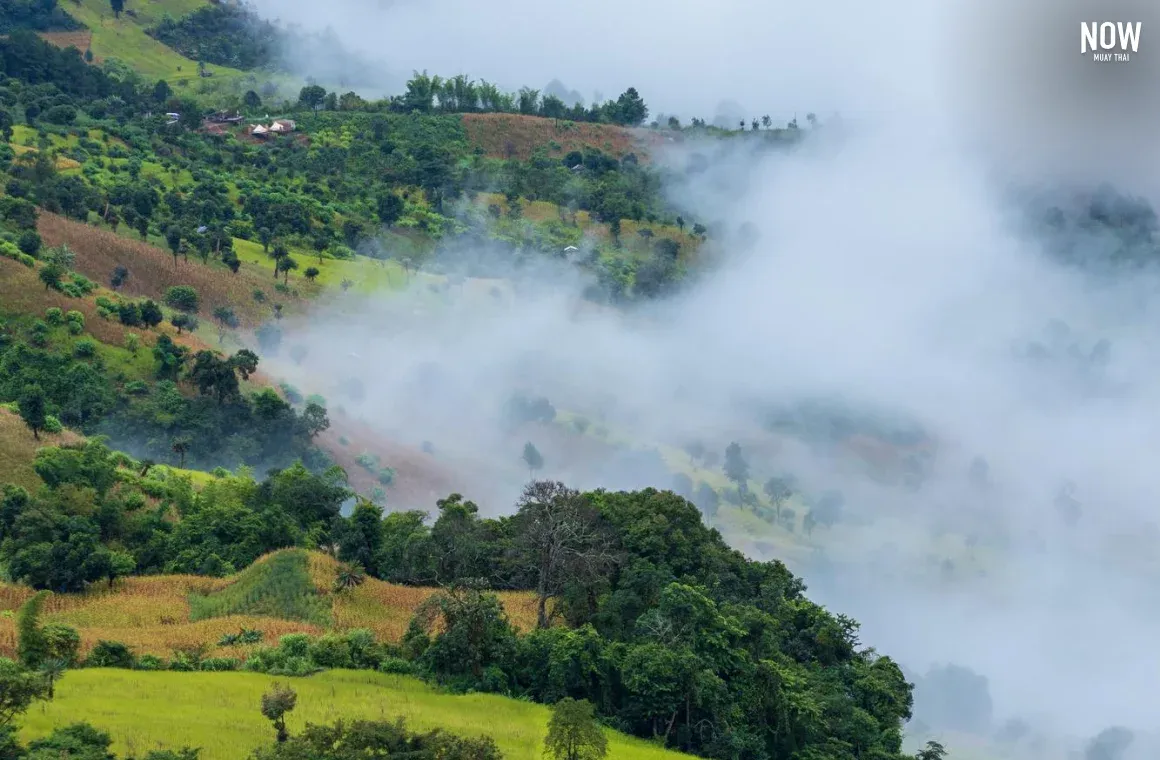 Seasonal haze may occur in March
How Winter Weather Affects Muay Thai Training
Cooler conditions can make outdoor activity more comfortable, but your training routine still needs to adapt to the time of day and the local weather. An early session in Chiang Mai can feel very different from an afternoon session, when temperatures have risen.
Start Your Warm-Up Gradually
If the morning feels cool, give your body time to warm up before moving into intense pad work, running or conditioning. Follow your trainer's warm-up rather than jumping straight into high-intensity work.
Stay Hydrated
Cooler air does not mean you stop sweating. Keep water available, drink regularly and adjust your effort to the temperature and intensity of the session.
Plan Outdoor Activities Flexibly
Hiking, cycling and sightseeing can fit around training, but check local conditions before setting off. Keep your itinerary flexible enough to change plans if weather or air quality is unsuitable.
Make Recovery Part of the Plan
Consistent sleep, balanced meals, hydration and rest days all help support your training. Avoid filling every free hour with activities if your main goal is to improve your Muay Thai.
What to Pack for a Winter Muay Thai Trip
You do not need a suitcase full of winter clothes for northern Thailand. A few versatile layers will usually be more useful than bulky clothing, especially if you plan to move between provinces.
- Lightweight training clothes: Pack breathable shirts, shorts and enough changes for your first few days.
- A light hoodie or jacket: Useful for early-morning sessions, cooler evenings and trips into the hills.
- Comfortable walking shoes: Helpful for markets, temples, city walks and outdoor excursions.
- Sandals: Convenient for everyday use and relaxing after training.
- Sunscreen and sunglasses: Useful even when mornings feel cool.
- Water bottle: Keep water close during training and sightseeing.
- Personal medication and essentials: Bring anything you rely on regularly, along with basic travel supplies.
- Muay Thai equipment: Bring your preferred gear if you already own it, or ask your chosen gym what equipment is available to borrow or buy.
Bring enough clothing for arrival and your first training sessions, then decide what else you need once you know the local weather and the facilities available at your gym.
Best Provinces for Winter Muay Thai Training
The best destination depends on what you want from your time in Thailand. Chiang Mai and Chiang Rai suit travelers interested in northern scenery and culture. Phetchabun offers a countryside setting, while Udon Thani and Korat give you a chance to explore Isan, a region known for its distinctive food, traditions and everyday local life.
Chiang Mai
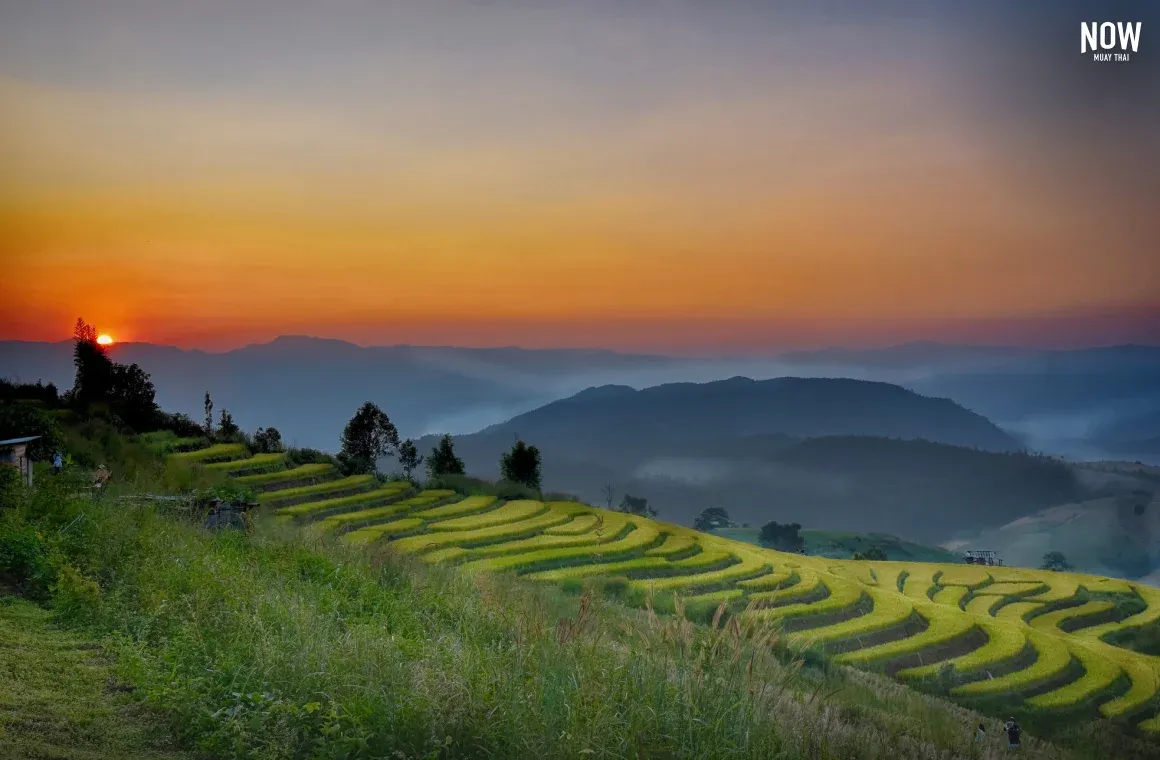 Tea plantations in Chiang Mai Province, Northern Thailand
Chiang Mai is an excellent choice for travellers who want to combine Muay Thai training with nature, local culture and a slower pace of life. Surrounded by mountains and home to historic temples, traditional markets and a growing fitness community, the city offers plenty to explore outside the gym.
During the cool season, from November to February, comfortable mornings and generally mild daytime temperatures make it easier to balance training sessions with day trips, walking tours and outdoor adventures. Whether you prefer a peaceful mountain retreat or the lively atmosphere of the Old City, Chiang Mai offers a versatile winter training base.
What Is Chiang Mai Like in Winter?
November to February is generally one of the most comfortable periods to visit Chiang Mai. Daytime temperatures are often around 25–30°C, while early mornings and evenings can feel considerably cooler, particularly outside the city and in the surrounding mountains. Conditions vary by altitude and from year to year.
November–December
Usually pleasant for sightseeing, outdoor training and mountain excursions. Pack a light layer for early morning sessions and cooler evenings.
January–February
Mornings can be chilly, while afternoons are often warm and sunny. February can also bring worsening air quality as the regional burning season develops.
Top Attractions to Visit
Plan your rest days around Chiang Mai's temples, mountain viewpoints and traditional neighbourhoods. These are some of the most rewarding places to include in your itinerary.
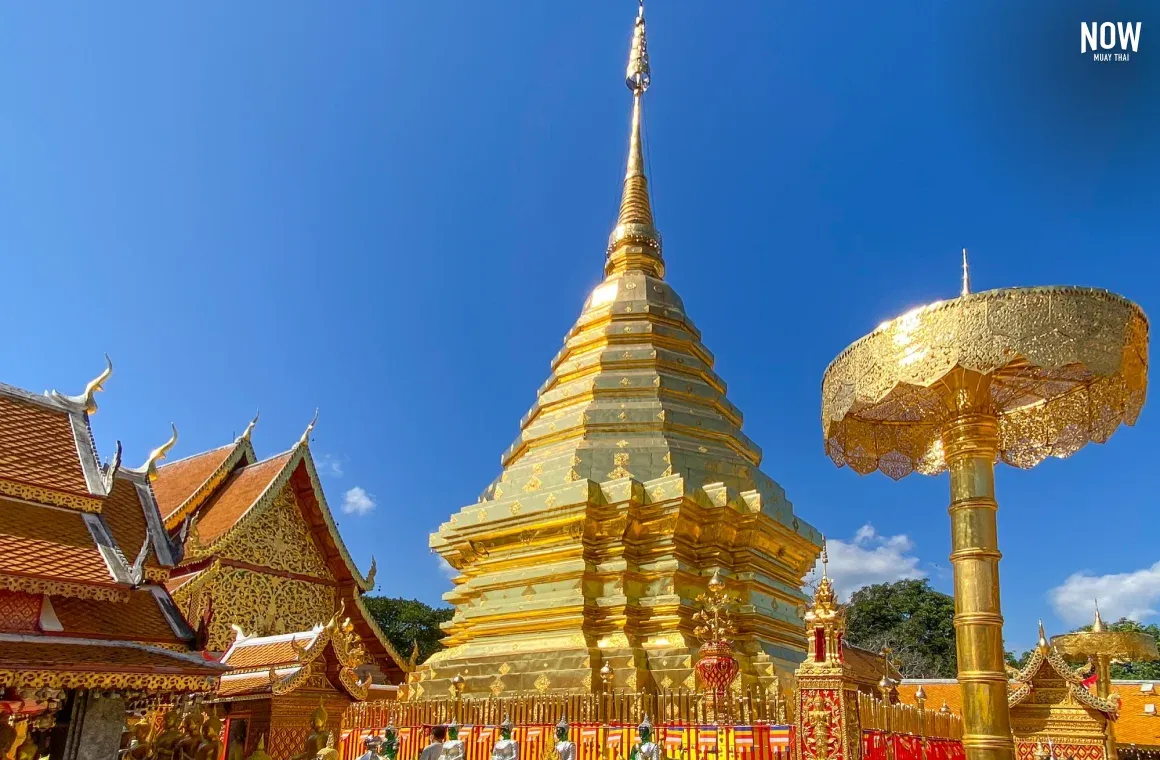
Wat Phra That Doi Suthep
One of northern Thailand's most famous temples, located on Doi Suthep mountain above the city. Visit for its golden chedi, intricate details and panoramic views over Chiang Mai. Dress respectfully and cover your shoulders and knees.
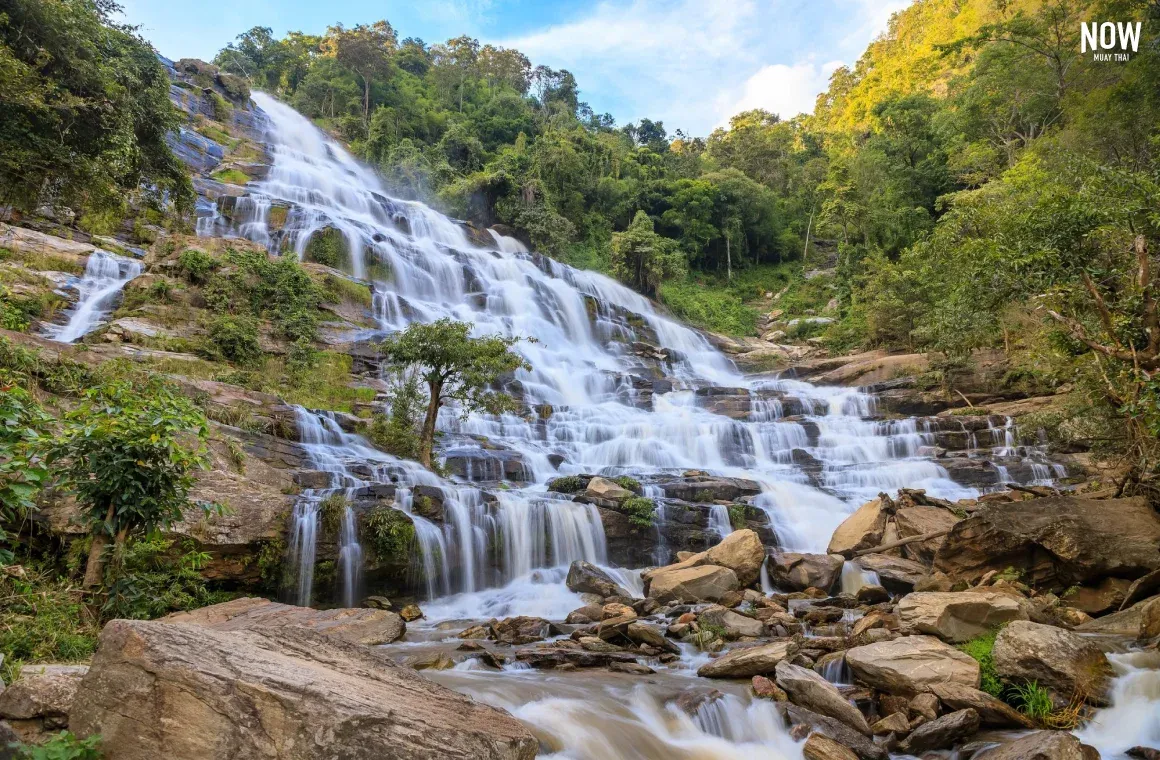
Doi Inthanon National Park & Mae Sa Waterfall
Explore Thailand's highest mountain, forest trails, waterfalls and the King's and Queen's Pagodas. Temperatures at higher elevations can be much cooler than in the city, so bring warm clothing for an early start.
For another nature outing, visit Mae Sa Waterfall in the Mae Rim area. Its multiple tiers make it a pleasant stop away from the city centre. Combine the visit with nearby countryside stops, checking local access and conditions before setting off.
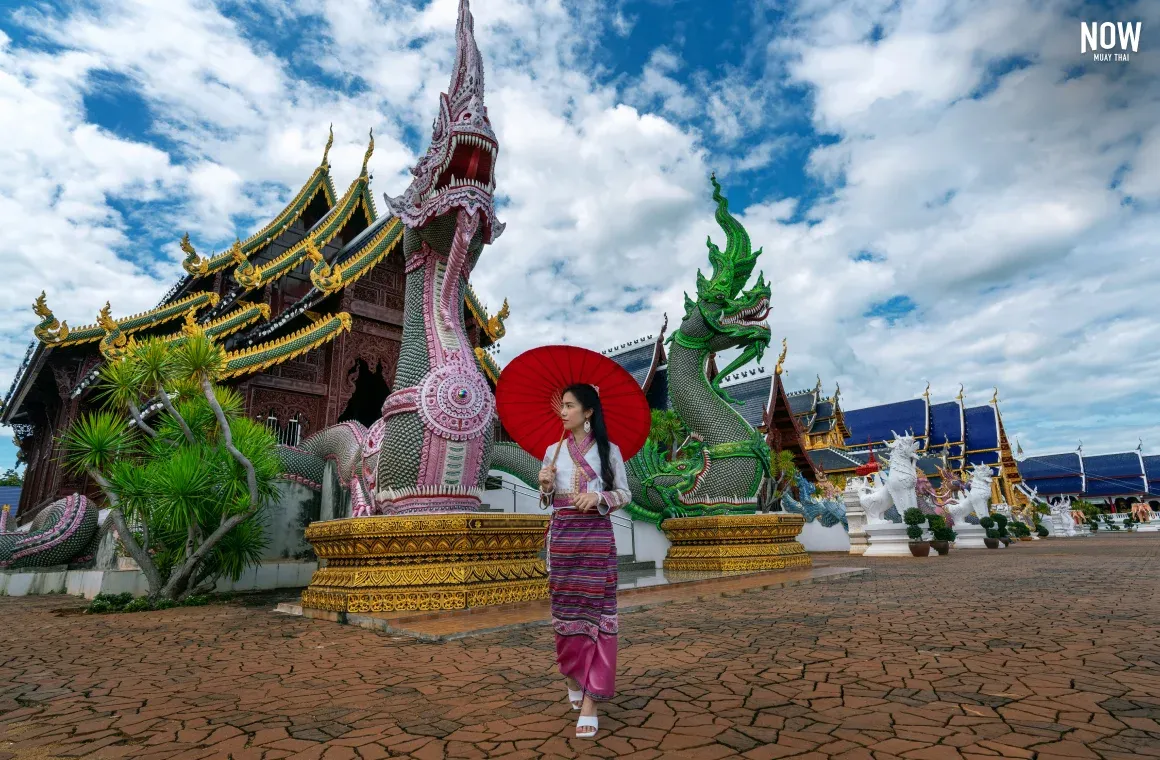
Wat Pha Lat
A peaceful forest temple on the slopes of Doi Suthep. Surrounded by greenery and small waterfalls, it offers a quieter alternative to the city's busier temples. The Monk's Trail provides a popular walking route for visitors who are prepared for an uphill hike.
Things to Do Between Training Sessions
- Explore the Sunday Walking Street. If you are in town on Sunday evening, browse the stalls, handicrafts, street food and performances around the Old City.
- Try a northern Thai cooking class. Learn to prepare regional favourites such as khao soi, a rich curry noodle soup associated with northern Thailand.
- Take a mountain day trip. Explore Doi Suthep or arrange a longer excursion to Doi Inthanon for viewpoints, waterfalls and cooler mountain air.
- Visit an ethical elephant sanctuary. Research the organisation carefully and prioritise animal welfare, observation and responsible care over riding, performances or direct-contact experiences.
- Enjoy Chiang Mai's café scene. Spend a recovery afternoon in Nimmanhaemin, known for its cafés, independent shops and contemporary dining spots.
- Discover northern Thai food. Try khao soi, sai ua northern Thai sausage and nam prik ong, a tomato-and-minced-pork chilli dip, at a local restaurant.
- Plan a recovery day. Enjoy a gentle walk, visit a café or explore a market instead of scheduling intense activities around every Muay Thai session.
Practical Tips for Your Winter Stay
Before You Go
- Pack layers. Training clothes and light summer clothing work for the daytime, but a jacket or sweatshirt can be useful during cool mornings and mountain trips.
- Check air quality. Northern Thailand can experience seasonal haze, especially toward February and the following months. Monitor the AQI and adjust outdoor training if pollution levels are high.
- Allow time to recover. Muay Thai training can be physically demanding. Schedule sightseeing around your gym's timetable and give yourself time to rest.
- Choose your accommodation carefully. Staying near your gym can reduce commuting time. The Old City and Nimmanhaemin offer different combinations of convenience, restaurants and nightlife.
- Respect local customs. Remove your shoes where required, dress modestly at temples and follow posted rules at cultural and religious sites.
- Book popular day trips ahead. Transport and guided excursions can fill up during the busy winter travel season, particularly around holidays.
Why choose Chiang Mai for a Muay Thai winter holiday? It offers a rewarding balance of training, cultural experiences and outdoor adventures. If you want to build a consistent training routine without spending every day at the beach, Chiang Mai is a strong option. Just remember to check seasonal air quality when planning a longer stay.
Recommended Gym
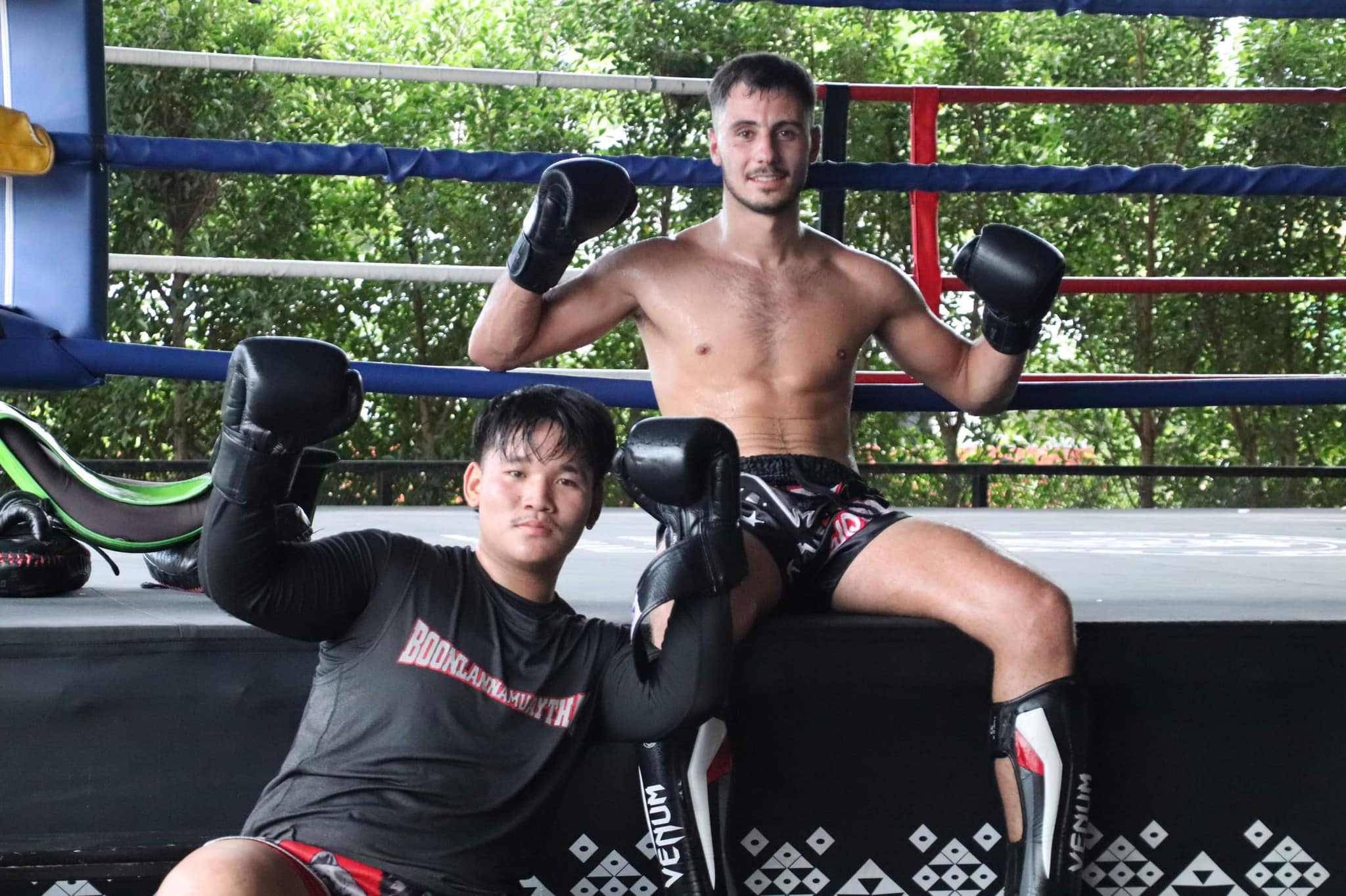 Lanna Muay Thai
Chiang Mai
Train in northern Thailand and combine Muay Thai
sessions with Chiang Mai's relaxed atmosphere,
mountain scenery and local culture.
Explore Gym
Lanna Muay Thai
Chiang Mai
Train in northern Thailand and combine Muay Thai
sessions with Chiang Mai's relaxed atmosphere,
mountain scenery and local culture.
Explore Gym
 Loong Muay Thai Gym
Chiang Mai
Discover a local Muay Thai training option in
Chiang Mai and explore the available sessions
to find a fit for your training goals.
Explore Gym
Loong Muay Thai Gym
Chiang Mai
Discover a local Muay Thai training option in
Chiang Mai and explore the available sessions
to find a fit for your training goals.
Explore Gym
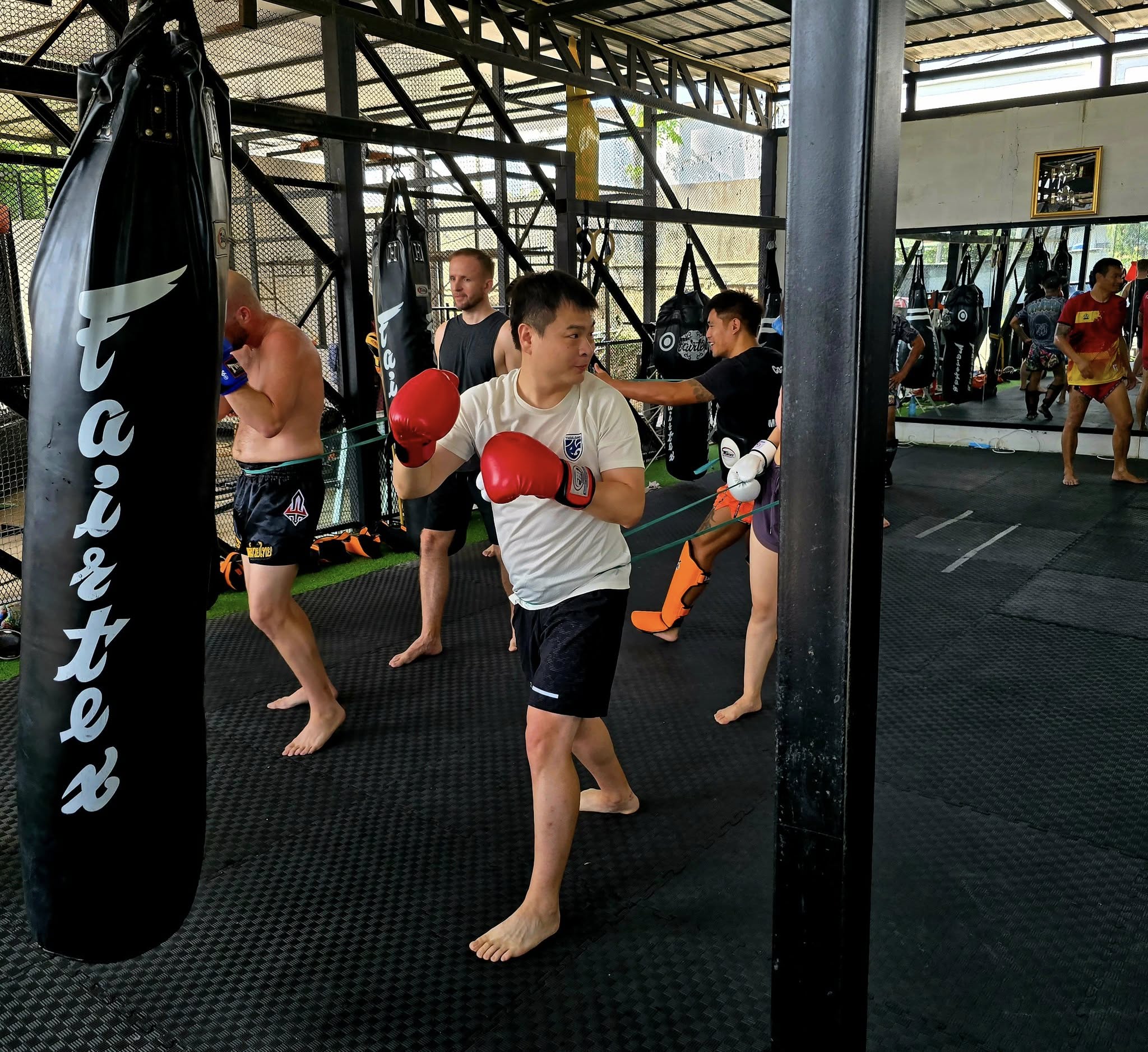 Muay Thai Fever
Chiang Mai
Explore Muay Thai training in Chiang Mai, with
programmes to suit different experience levels
and individual training goals.
Explore Gym
Muay Thai Fever
Chiang Mai
Explore Muay Thai training in Chiang Mai, with
programmes to suit different experience levels
and individual training goals.
Explore Gym
Chiang Rai
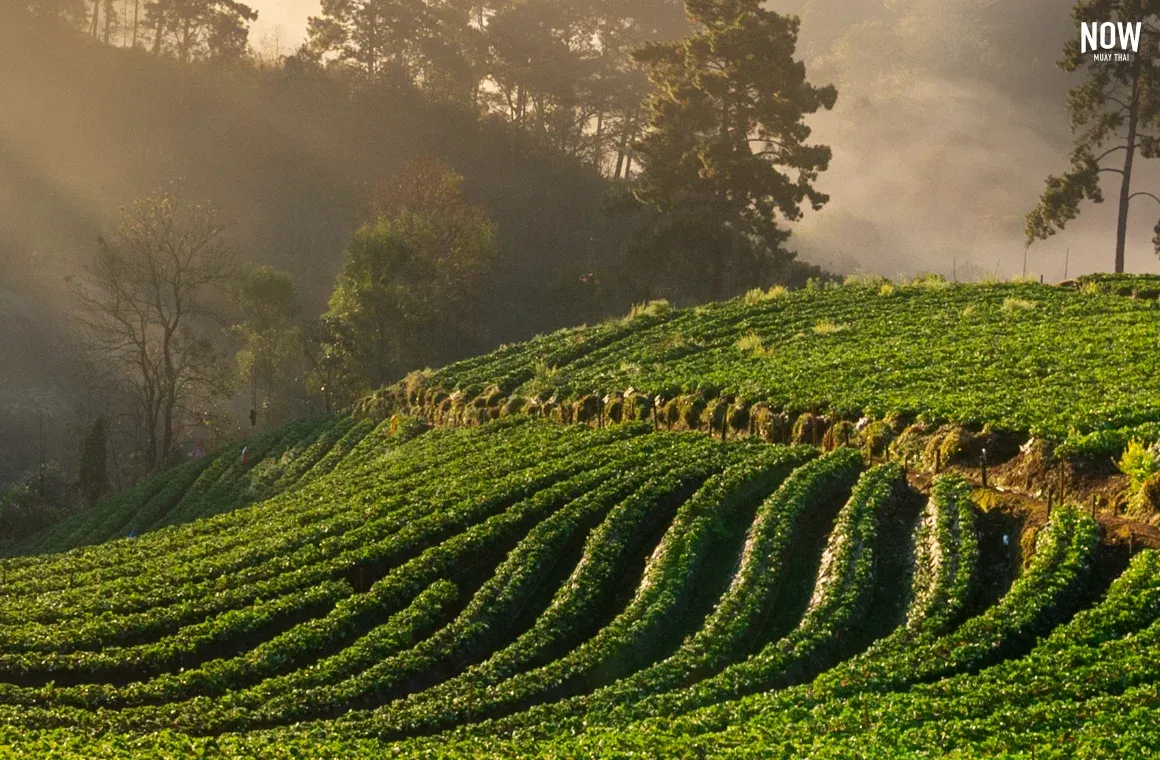 Doi Ang Khlang Tea Plantation
Chiang Rai is an excellent destination for travellers who want to explore northern Thailand beyond Chiang Mai. With its distinctive temples, mountain roads, tea plantations and countryside cafés, the province offers a quieter and more relaxed alternative to Thailand's busier tourist destinations.
Although the city is smaller than Chiang Mai, it is home to some of the country's most remarkable architectural landmarks and beautiful natural scenery. Whether you prefer exploring cultural attractions, cycling through green landscapes or discovering small cafés surrounded by tea fields, Chiang Rai is ideal for a few days of exploration before or after your Muay Thai training.
What Is Chiang Rai Like in Winter?
November to February is generally one of the best periods to visit Chiang Rai. Daytime temperatures often reach around 25–29°C, while mornings and evenings can be much cooler. Temperatures in the surrounding mountains may drop below 15°C, particularly during early morning excursions.
November–December
Expect comfortable afternoons, cooler mornings and generally favourable conditions for sightseeing, scenic drives and outdoor activities. Pack a light jacket for early starts.
January–February
Mornings can be particularly chilly outside the city, while afternoons are usually warm and pleasant. Check regional air quality as the dry season progresses, especially if you plan outdoor activities.
Top Attractions to Visit
Chiang Rai combines contemporary temple architecture, northern Thai heritage and natural landscapes. These attractions offer a good introduction to the region's culture and scenery.
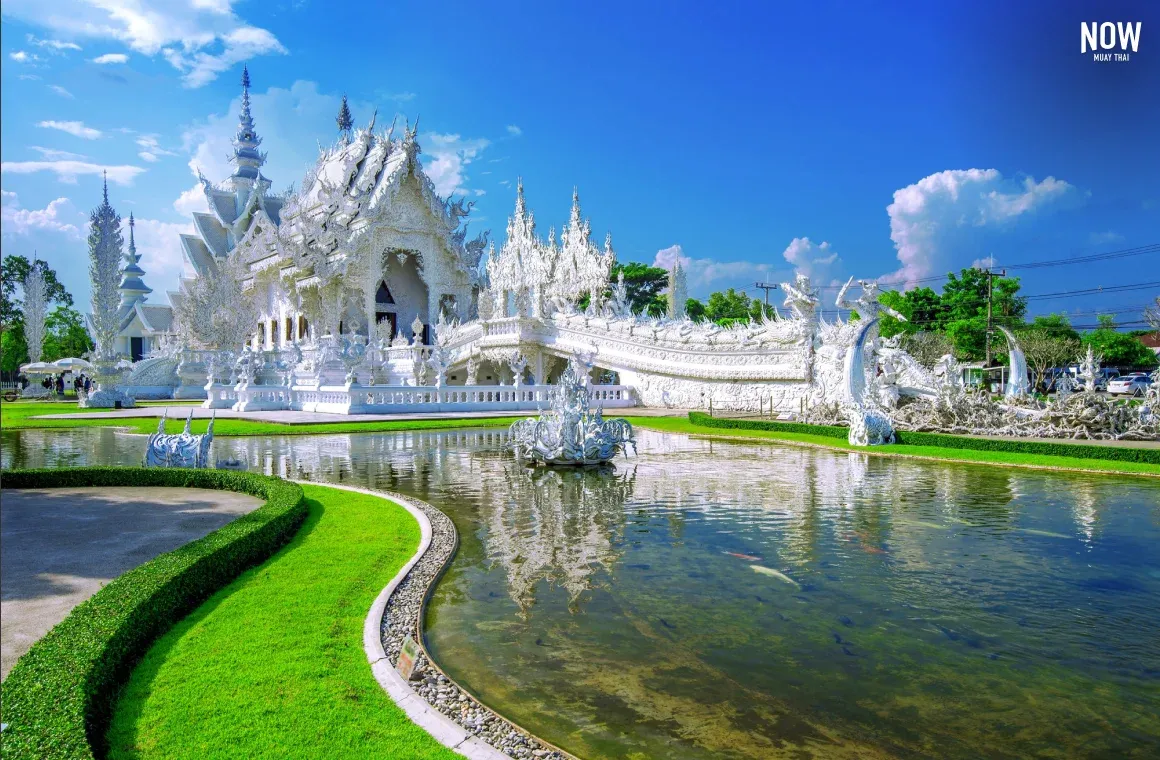
Wat Rong Khun (White Temple)
One of Thailand's most recognisable landmarks, this striking white temple features intricate sculptural details, reflective surfaces and contemporary Buddhist-inspired artwork. Arrive early to explore the grounds before the busiest tour groups.
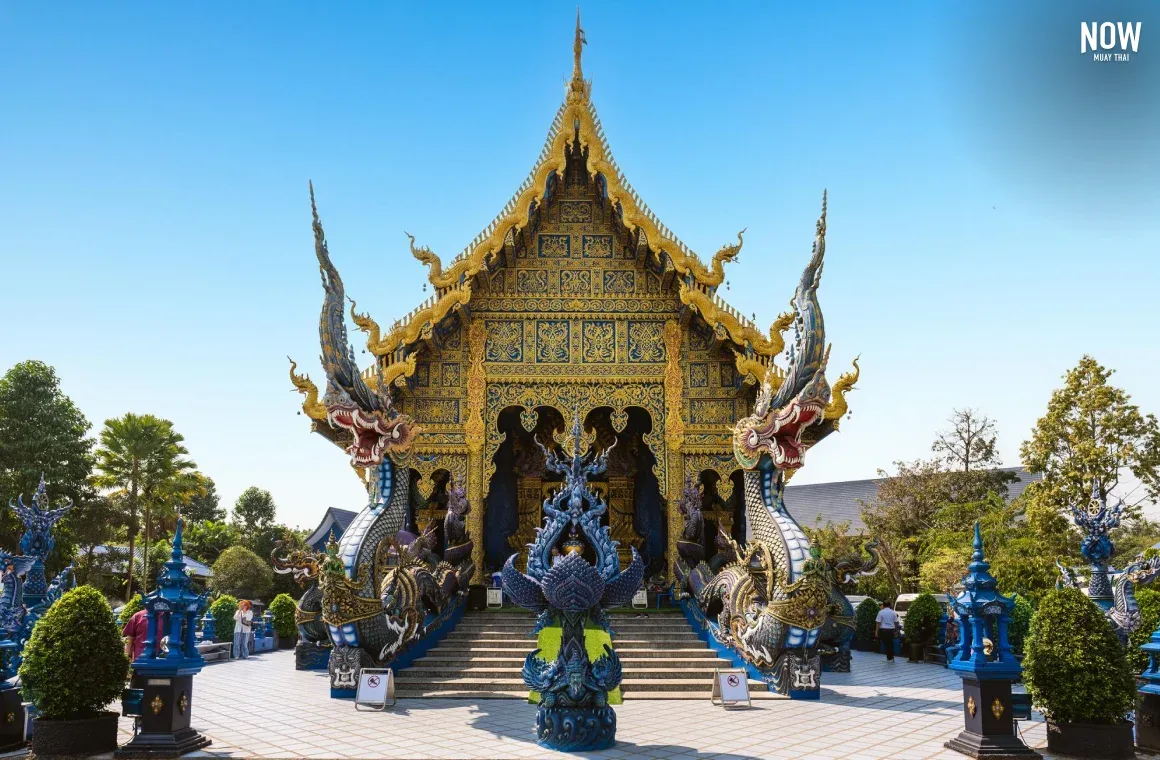
Wat Rong Suea Ten (Blue Temple)
Known for its vivid blue interior, elaborate gold details and dramatic Buddhist imagery, the Blue Temple offers a very different visual experience from the White Temple. It is an excellent stop for architecture and photography.
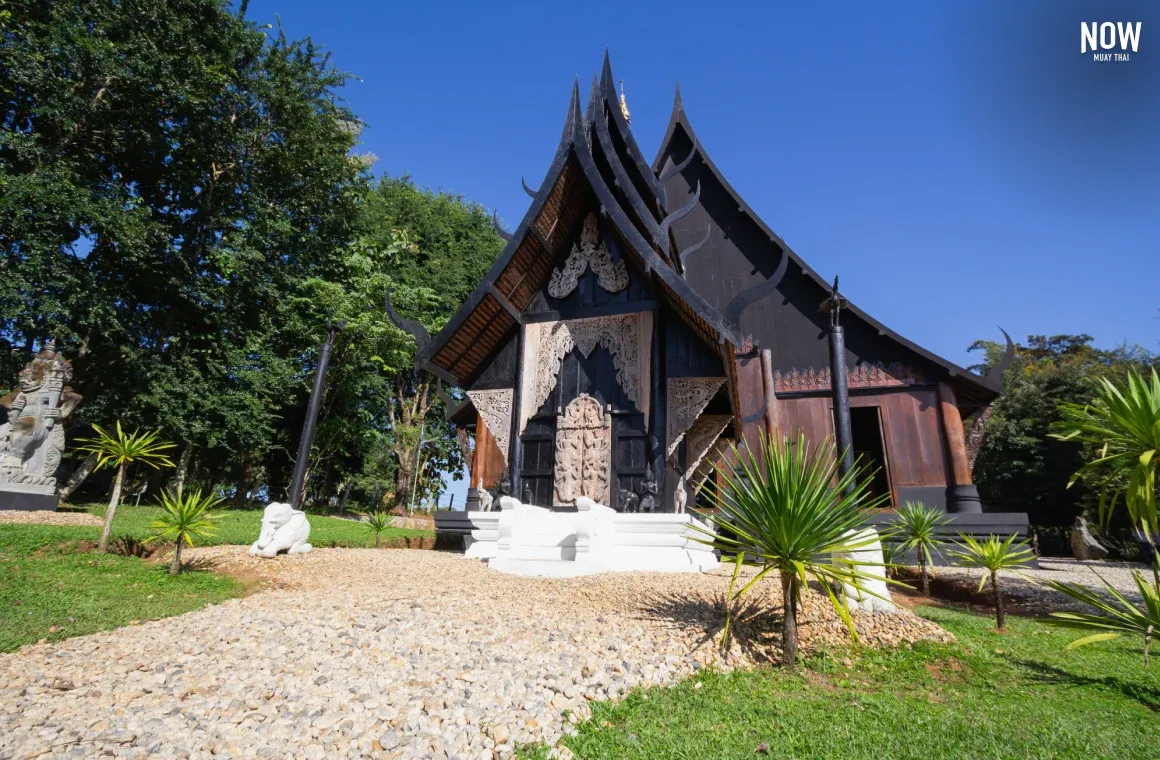
Baan Dam Museum (Black House)
This unusual collection of dark wooden buildings and artistic installations was created by Thai artist Thawan Duchanee. The museum explores darker themes through distinctive architecture, sculptures and collections of objects.
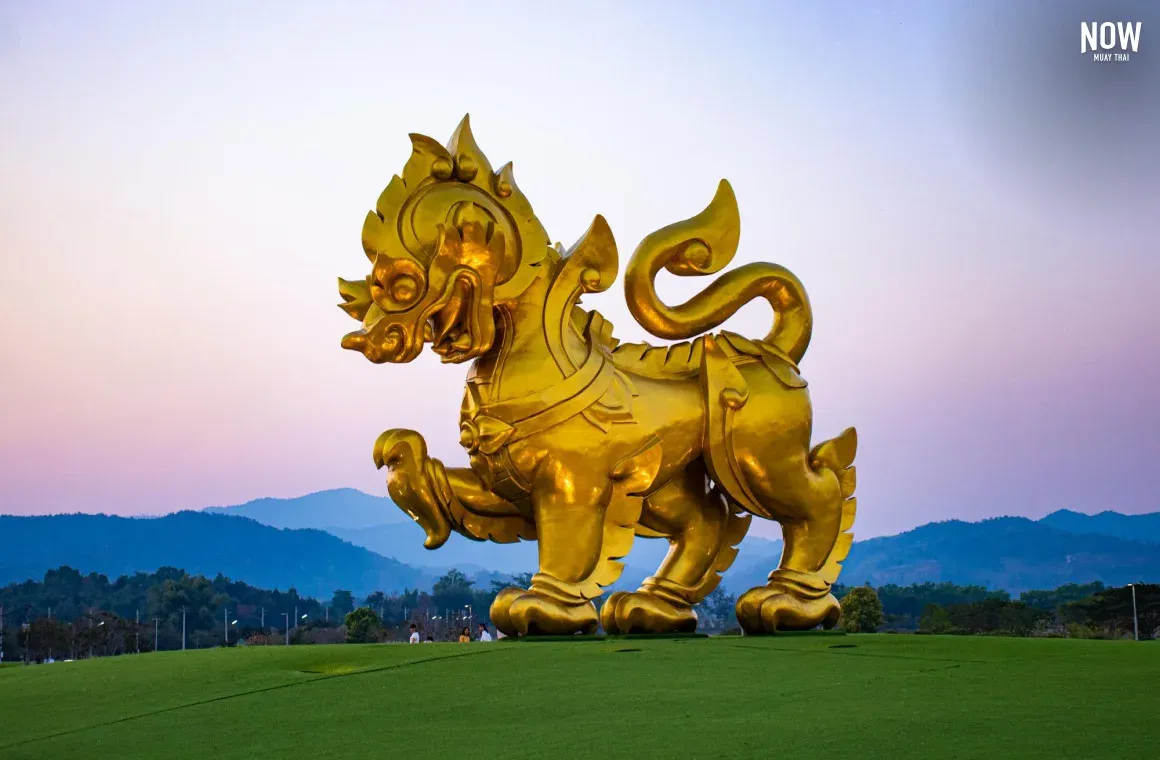
Singha Park
A large countryside attraction featuring tea plantations, lakes, flower gardens and cycling routes. Explore by bicycle or shuttle and enjoy views of the surrounding hills. The cooler months can be especially pleasant for outdoor visits.
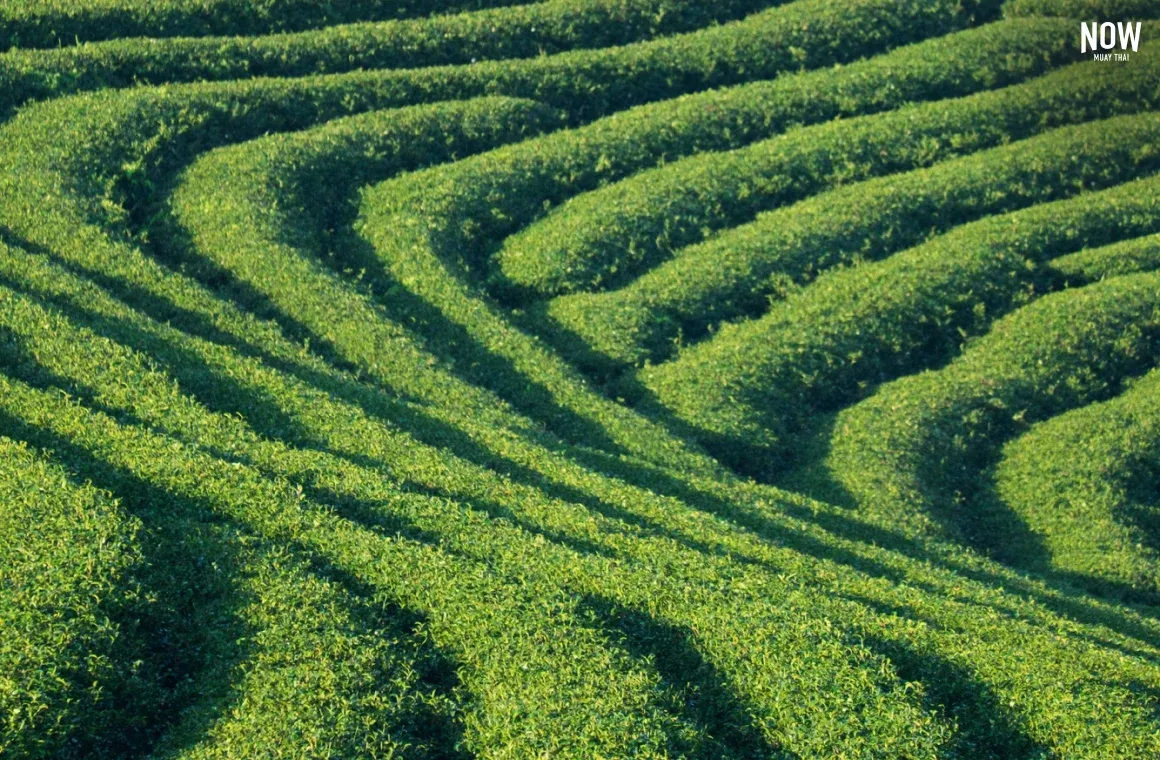
Choui Fong Tea Plantation
Rolling hills covered in tea bushes create one of Chiang Rai's most photogenic landscapes. Visit the plantation café to enjoy locally grown tea and views across the fields. Morning visits are ideal for cooler temperatures and softer light.
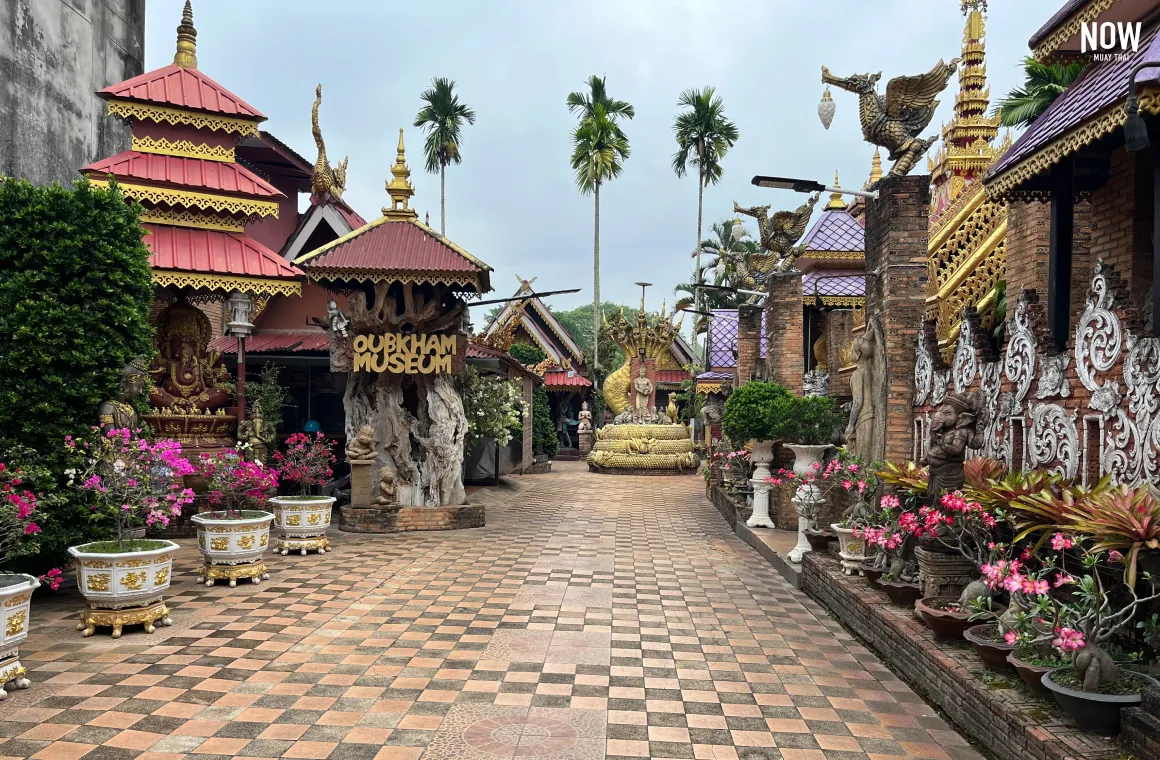
Oub Kham Museum
Discover the royal heritage of the ancient Lanna Kingdom and neighbouring Tai cultures through traditional textiles, costumes, jewellery and ceremonial objects. Guided visits provide historical context beyond the region's famous temples. Photography restrictions may apply inside the museum.
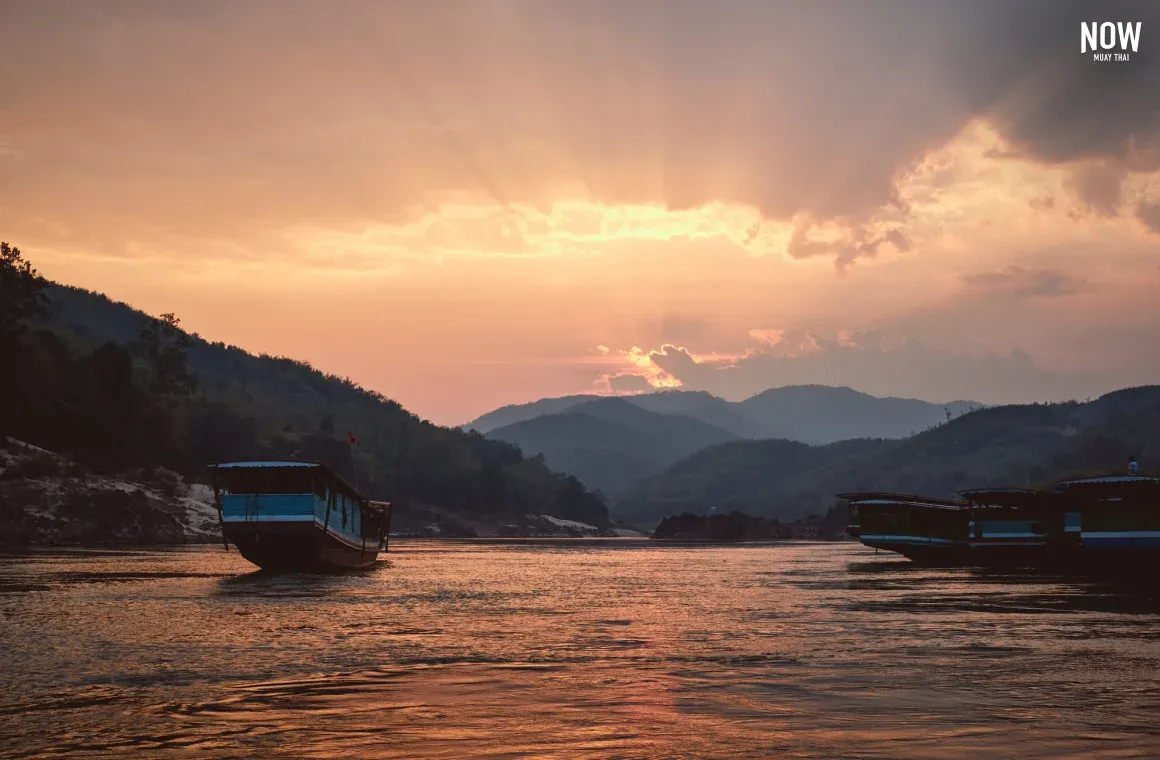
Golden Triangle
Visit the historic border region where Thailand, Laos and Myanmar meet around the Mekong River. The area offers river viewpoints and opportunities to learn about the region's complex history. Allow additional travel time if combining it with other countryside attractions.
Things to Do in Chiang Rai
Many travellers visit Chiang Rai on a day trip from Chiang Mai, but staying for two or three days gives you more time to explore the countryside at your own pace. A car or scooter can make reaching rural attractions easier, provided you are comfortable driving and have the appropriate licence and insurance.
- Explore three very different artistic landmarks. Visit the White Temple, Blue Temple and Black House to compare their distinctive architecture, colours and artistic styles. They offer contrasting experiences rather than variations of the same attraction.
- Discover northern Thailand's royal heritage. Spend time at Oub Kham Museum, where traditional textiles, royal costumes, jewellery and ceremonial objects provide insight into the history and culture of the Lanna region.
- Cycle through Singha Park. Explore the park's lakes, gardens, tea fields and cycling routes. Its spacious grounds make it a pleasant place to spend a few hours outdoors during the cooler season.
- Enjoy tea with a mountain view. Head to Choui Fong Tea Plantation for views across the rolling tea fields. Take your time at the café and enjoy locally produced tea while overlooking the countryside.
- Hike to Khun Korn Waterfall. Follow the forest trail to the waterfall for a refreshing nature outing. Wear shoes with good grip and check trail conditions, particularly after rain.
- Visit Lalitta Café. Explore a themed garden featuring tropical greenery, waterfalls, ponds, pathways and mist effects. It is more of a landscaped attraction than a typical coffee stop. Check the current entrance fee and whether it can be redeemed against food or drinks before visiting.
- Take a scenic drive through the countryside. Allow extra time for mountain viewpoints, tea plantations and small villages along the way. Travelling independently can give you more flexibility than a tightly scheduled tour.
- Explore the Golden Triangle. Make a day trip to the Mekong River border region to learn about its history and enjoy views across the surrounding landscape. Plan the journey carefully, as it is some distance from central Chiang Rai.
Practical Tips for Your Winter Stay
Before You Go
- Plan your transport. Many attractions are spread across the province. A rental car, suitable scooter or organised excursion can help you reach them more easily.
- Pack a light jacket. Early mornings can be cold, especially in the mountains and on countryside drives.
- Visit popular temples early. Arriving in the morning can help you avoid some of the larger tour groups and enjoy more comfortable sightseeing conditions.
- Allow extra time for scenic stops. Routes to Choui Fong Tea Plantation and the Golden Triangle offer opportunities to enjoy viewpoints and countryside along the way.
- Check seasonal air quality. Northern Thailand can experience haze during the dry season. Monitor air quality before planning strenuous outdoor activities.
- Respect temple etiquette. Dress modestly, cover your shoulders and knees where required, and follow the rules at religious and cultural sites.
- Keep your itinerary flexible. Chiang Rai's charm lies partly in its quieter pace. Avoid squeezing too many distant attractions into a single day.
Why choose Chiang Rai for a Muay Thai winter holiday? Chiang Rai is ideal for travellers who want to balance training with scenic drives, cultural discoveries and time in nature. Its quieter atmosphere makes it a rewarding destination for a few extra days in northern Thailand, especially if you enjoy exploring beyond the usual tourist routes.
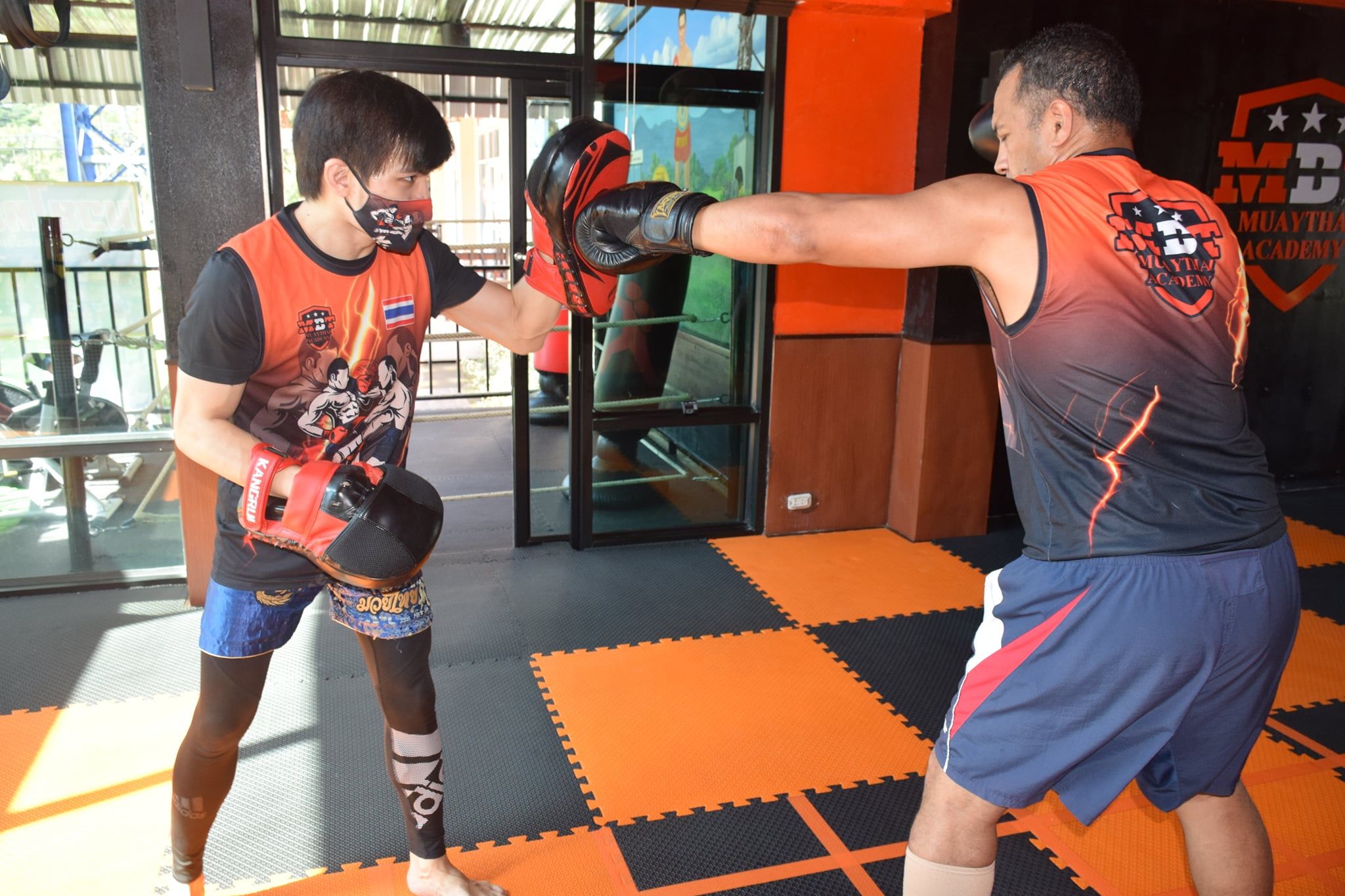
MBT Muaythai Gym
Chiang RaiTrain in traditional Muay Thai with experienced trainers in the heart of Chiang Rai. Suitable for beginners and experienced practitioners.
Explore Gym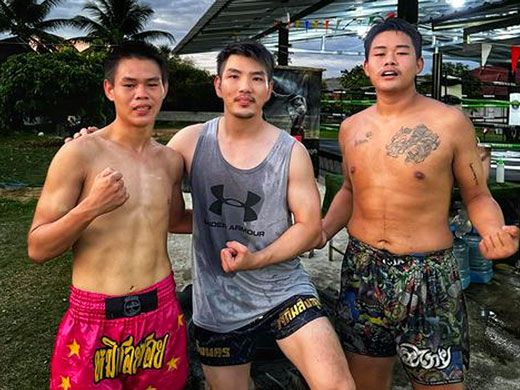
Tonkhar Muay Thai
Chiang RaiDiscover Muay Thai training at Tonkhar Muay Thai in Chiang Rai.
Explore GymPhetchabun
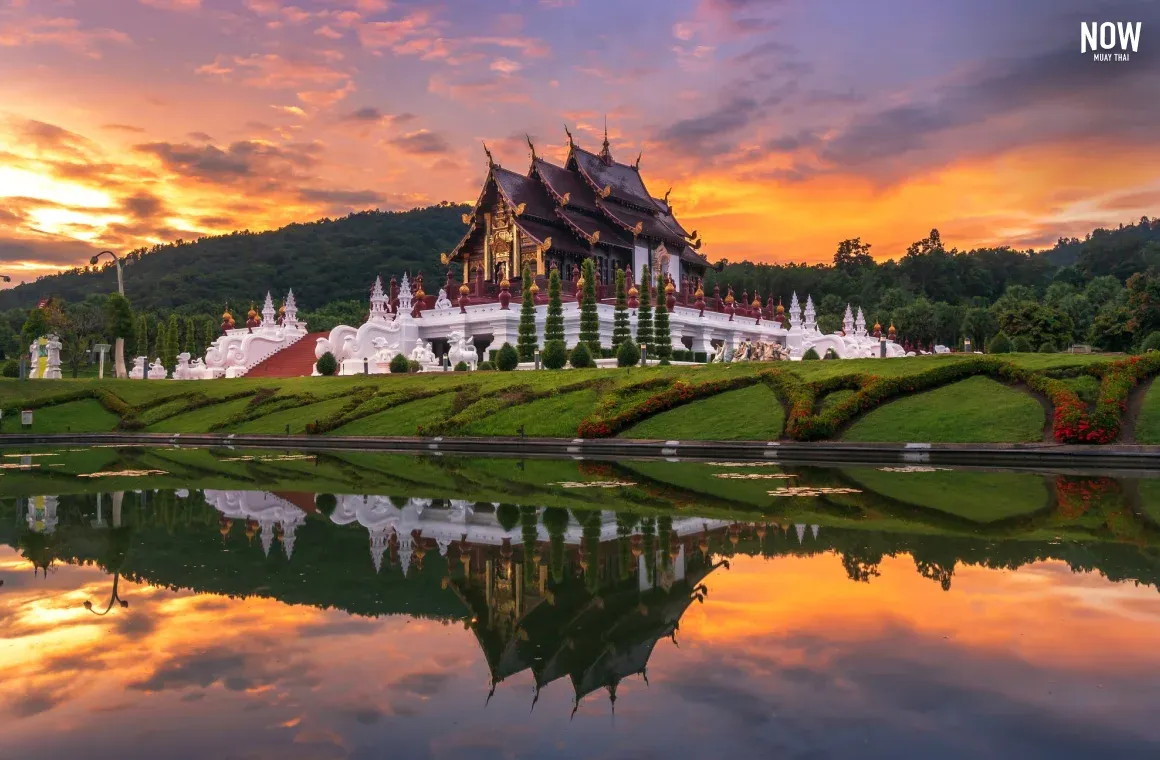 A beautiful temple in Phetchabun Province in Northern Thailand
Mountain scenery, cool weather, scenic drives, camping and temples.
Approximately 16–28°C, with colder mornings in the mountains.
Quiet countryside, road trips, outdoor adventures and cultural exploration.
Phetchabun is one of Thailand's hidden gems, offering rolling mountains, sea-of-mist viewpoints, peaceful temples and winding roads through national parks. With cooler temperatures, scenic drives and relatively few international tourists, it is an excellent destination for travellers who want to combine Muay Thai training with a nature-focused getaway.
What to Expect in Winter
Winter, particularly from November to February, is one of the best times to visit Phetchabun. The province's higher elevations bring cooler temperatures than much of Thailand, along with clearer mountain views and comfortable conditions for exploring outdoors.
Generally pleasant for sightseeing and outdoor activities.
Mountain areas can be surprisingly chilly, especially overnight.
The cooler months are also famous for the sea of mist that sometimes fills the valleys around Khao Kho and Phu Thap Boek at sunrise. These conditions depend on the weather, so clear views are never guaranteed.
Top Attractions in Phetchabun
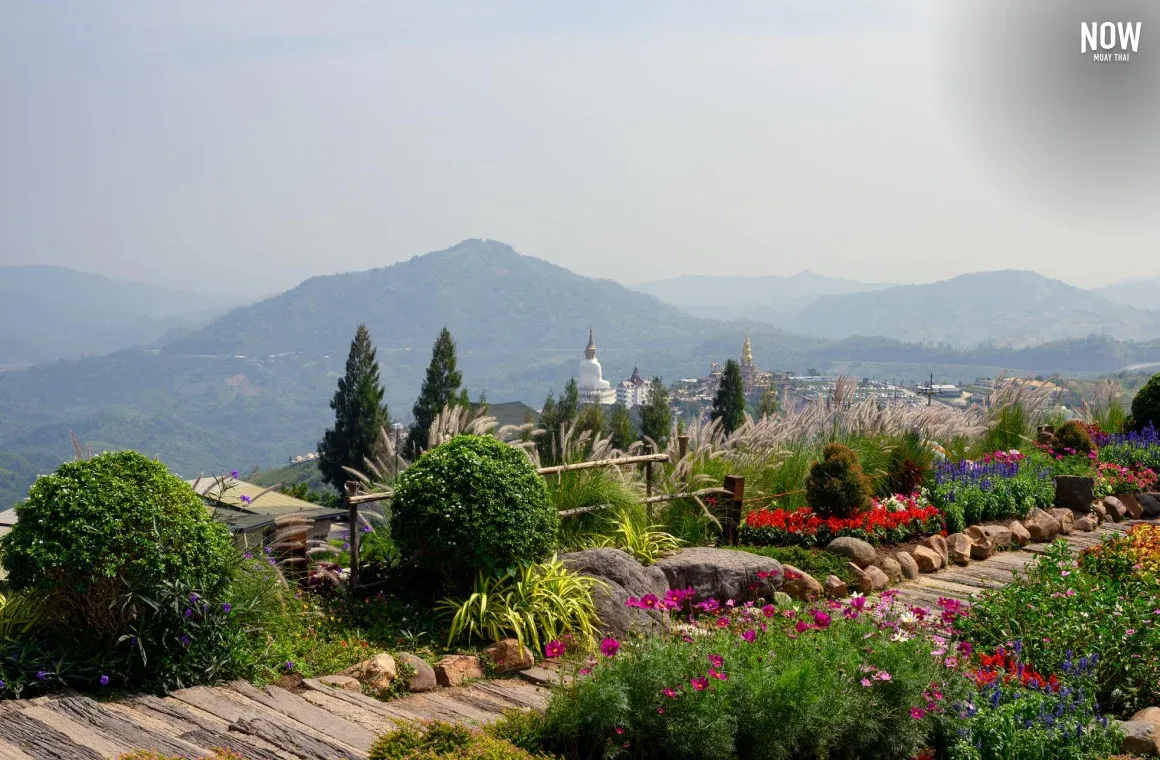
Wat Phra That Pha Sorn Kaew
A spectacular mountainside temple decorated with colourful mosaics, porcelain and glass, with panoramic views of the surrounding hills.
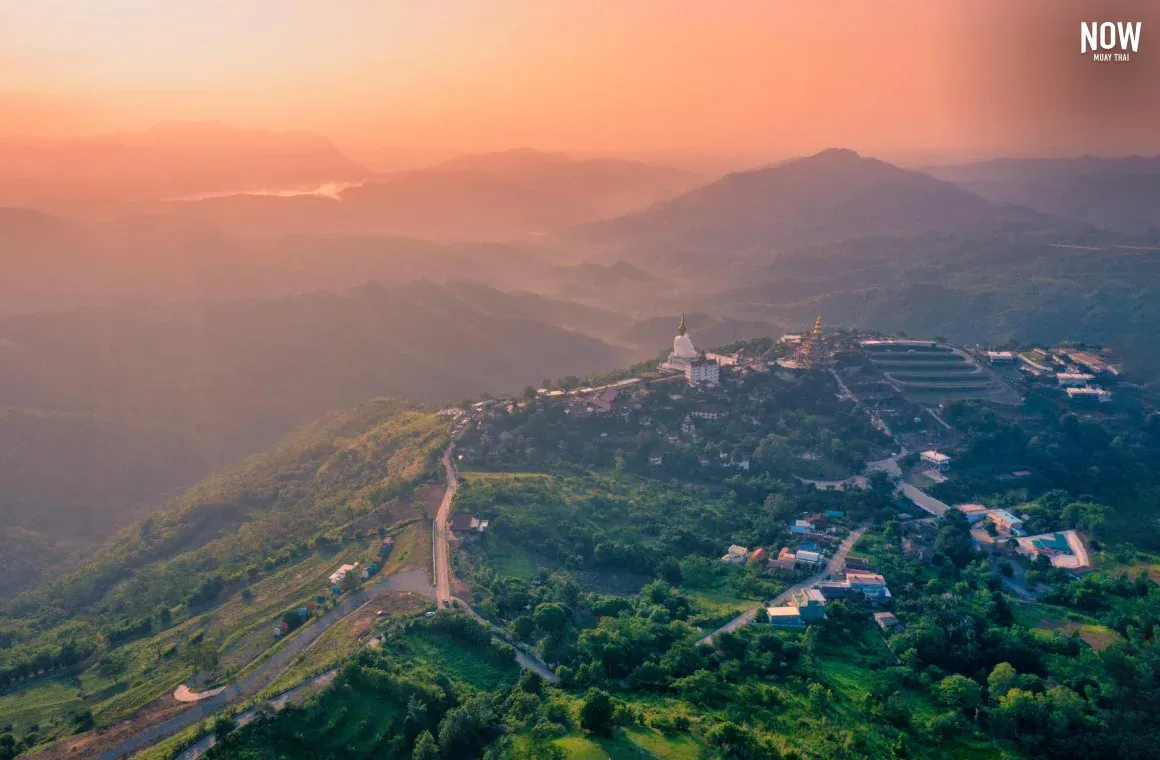
Khao Kho
A scenic mountain destination known for cool weather, misty viewpoints, cafés and peaceful countryside stays.
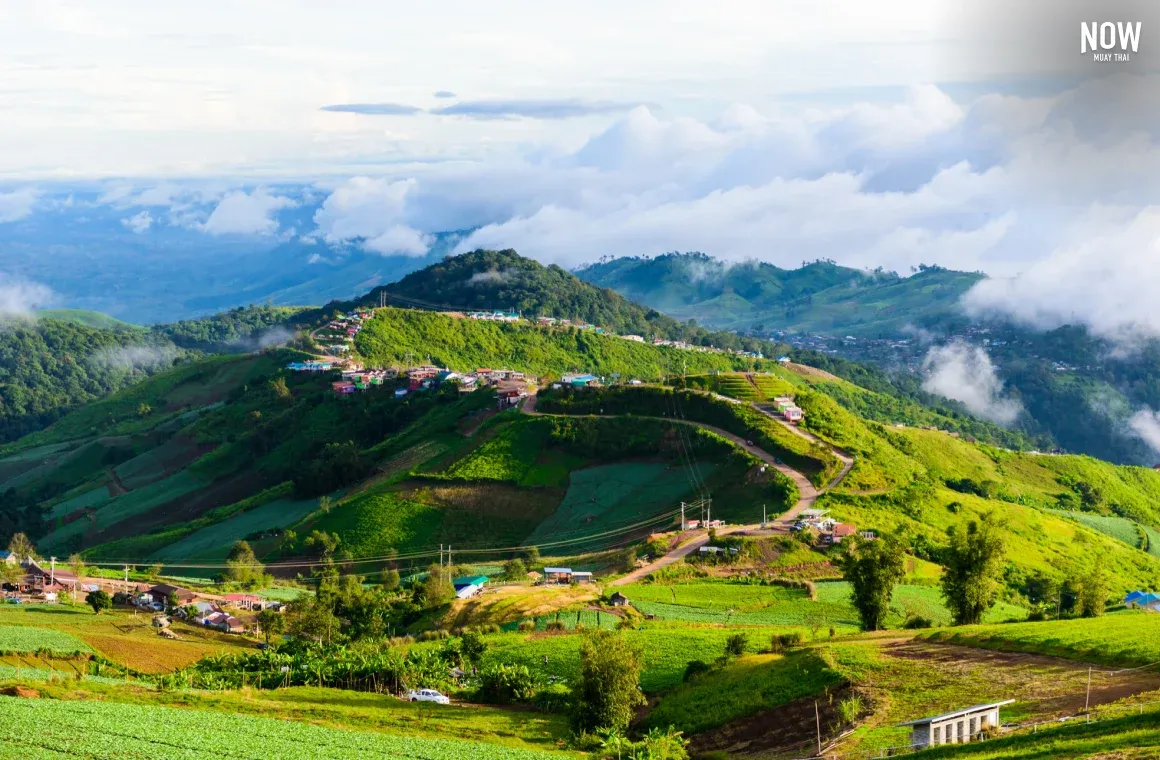
Phu Thap Boek
One of the province's highest mountain areas, popular for sunrise views, winding roads and seasonal sea-of-mist scenery.
Things to Do in Phetchabun
Visit Wat Phra That Pha Sorn Kaew
Perched on a mountainside, Wat Phra That Pha Sorn Kaew is one of Thailand's most striking temples. Millions of colourful mosaic tiles, porcelain pieces and glass details give the complex a distinctive appearance that changes with the light. Its peaceful setting and panoramic mountain views make it worth allowing extra time to explore.
Drive Through Khao Kho and Phu Thap Boek
These mountain areas are particularly beautiful during the winter months. Arrive at a viewpoint around sunrise for a chance to see clouds settling in the valleys below. Even without the mist, the winding roads, fresh air and sweeping views make the journey worthwhile.
Explore the Countryside at Your Own Pace
One of the best ways to experience Phetchabun is to take a relaxed road trip without planning every stop. The routes between Khao Kho and Phu Thap Boek pass flower gardens, strawberry farms, roadside cafés and scenic viewpoints. The quieter atmosphere also makes it appealing for travellers who prefer nature over busy tourist centres.
Discover Thailand's Ancient History
Visit Si Thep Historical Park to explore the remains of an ancient city that flourished more than 1,500 years ago. Recognised as a UNESCO World Heritage Site, it offers a fascinating look at Thailand's cultural history in a setting that is often quieter than the country's more famous archaeological destinations.
Spend a Day in Nam Nao National Park
If you have extra time, head to Nam Nao National Park for forest walks, hiking, waterfalls and birdwatching. The cooler season is a comfortable time to enjoy the outdoors, although trail and weather conditions should be checked before setting off.
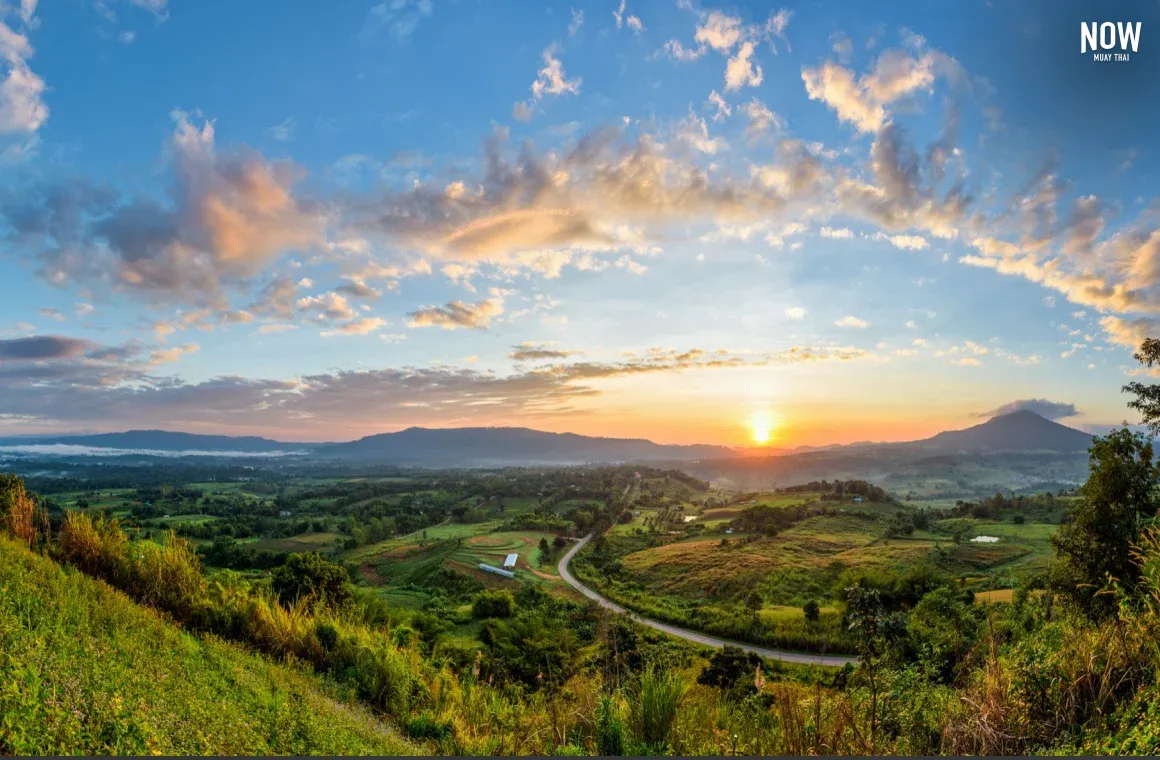 A beautiful skyline over Phetchabun Province in Northern Thailand
Practical Tips for Visiting Phetchabun
- Rent a car if possible. Many viewpoints, cafés and mountain attractions are spread out and difficult to reach by public transport.
- Pack warm clothing. Bring a jacket for overnight stays in Khao Kho and Phu Thap Boek, where early mornings can drop to around 10–15°C.
- Start early for sunrise views. Early mornings offer the best chance of seeing the sea of mist, but conditions vary.
- Check your fuel before heading into the mountains. Fuel stations can become less frequent on rural and mountain routes.
- Plan for a road-trip style visit. Phetchabun is best suited to travellers who enjoy photography, nature and quiet scenery rather than beaches or nightlife.
- Check local conditions. Mountain roads, hiking trails and viewpoints can be affected by weather, so check conditions before travelling.
Is Phetchabun Right for Your Winter Muay Thai Trip?
Phetchabun is a great choice if you want to combine training with a quieter side of Thailand. Its cool mountain mornings, scenic drives, historic temples and outdoor activities offer a refreshing alternative to the country's busier destinations. Consider adding a few extra days to explore the province around your training schedule.
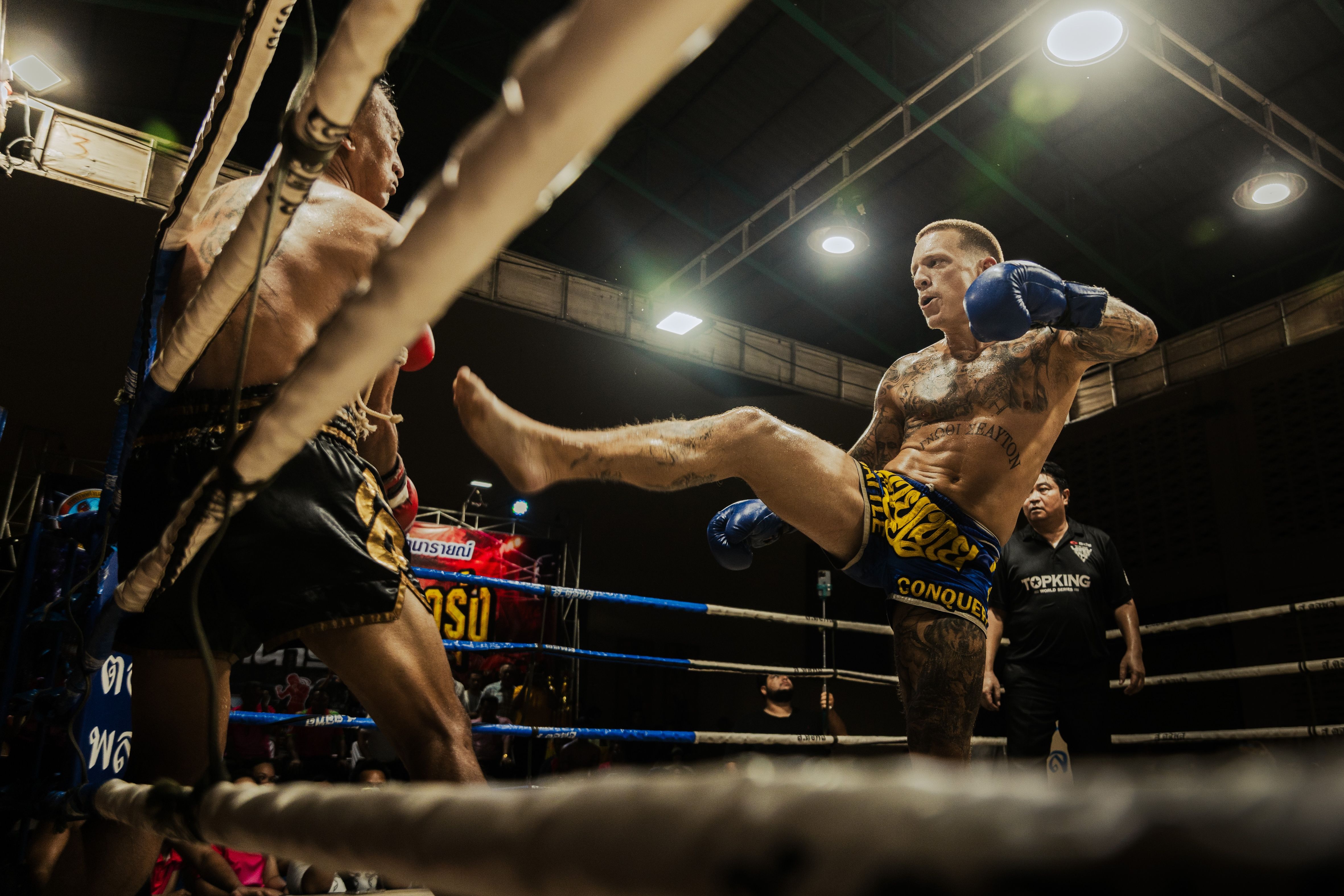
Udon Thani
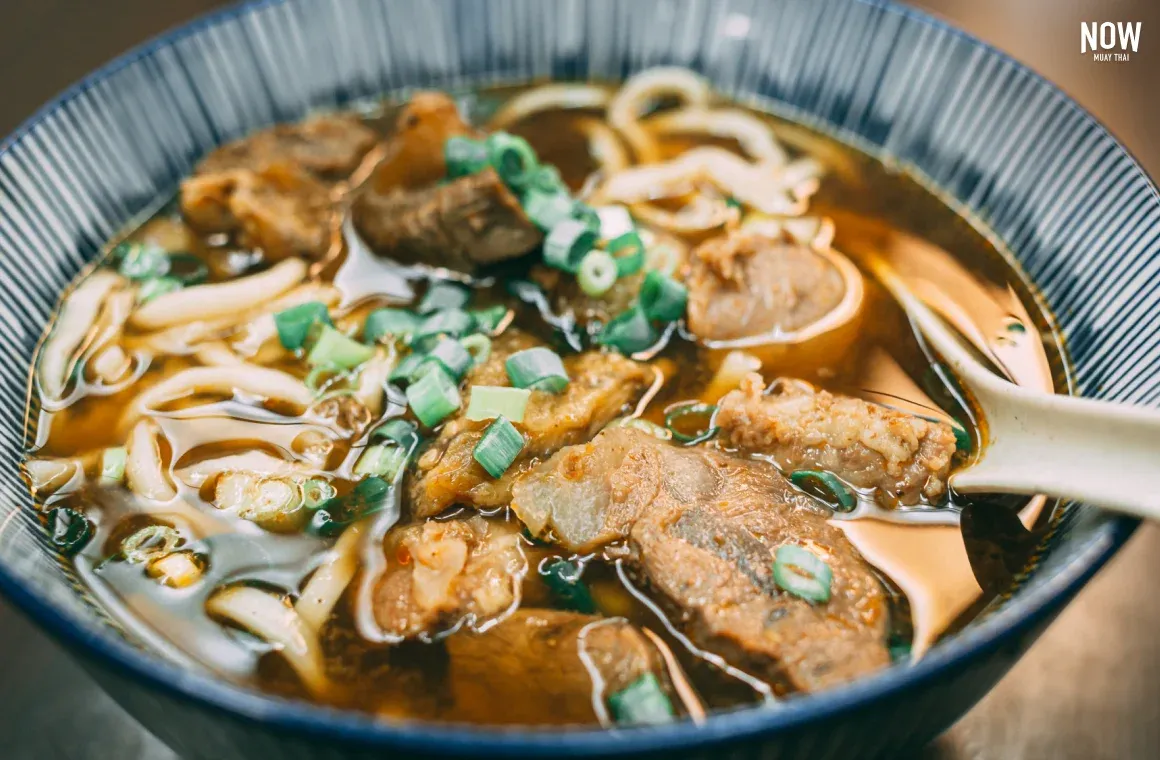 Don't miss out on Issan food while you are visiting Udon Thani
Local culture, regional cuisine, markets and countryside day trips.
A relaxed city stay with opportunities to explore authentic Isan life.
Nong Prajak Park, local markets and the seasonal Red Lotus Sea.
Udon Thani offers a different perspective on Thailand, away from the country's more familiar tourist destinations. Located in the northeast, the city is a great base for exploring Isan culture, sampling regional food and discovering local markets, temples and countryside attractions alongside your Muay Thai training.
What to Expect in Udon Thani
Udon Thani combines the convenience of a regional city with easy access to local culture and rural landscapes. It is a useful base for travellers who want to experience everyday life in northeastern Thailand, from traditional food and neighbourhood markets to nearby historical and natural attractions.
Winter is a popular time to explore the region outdoors. If you're visiting between November and February, you may also be able to see the famous Red Lotus Sea, depending on seasonal conditions and the timing of your trip.
Top Attractions in Udon Thani
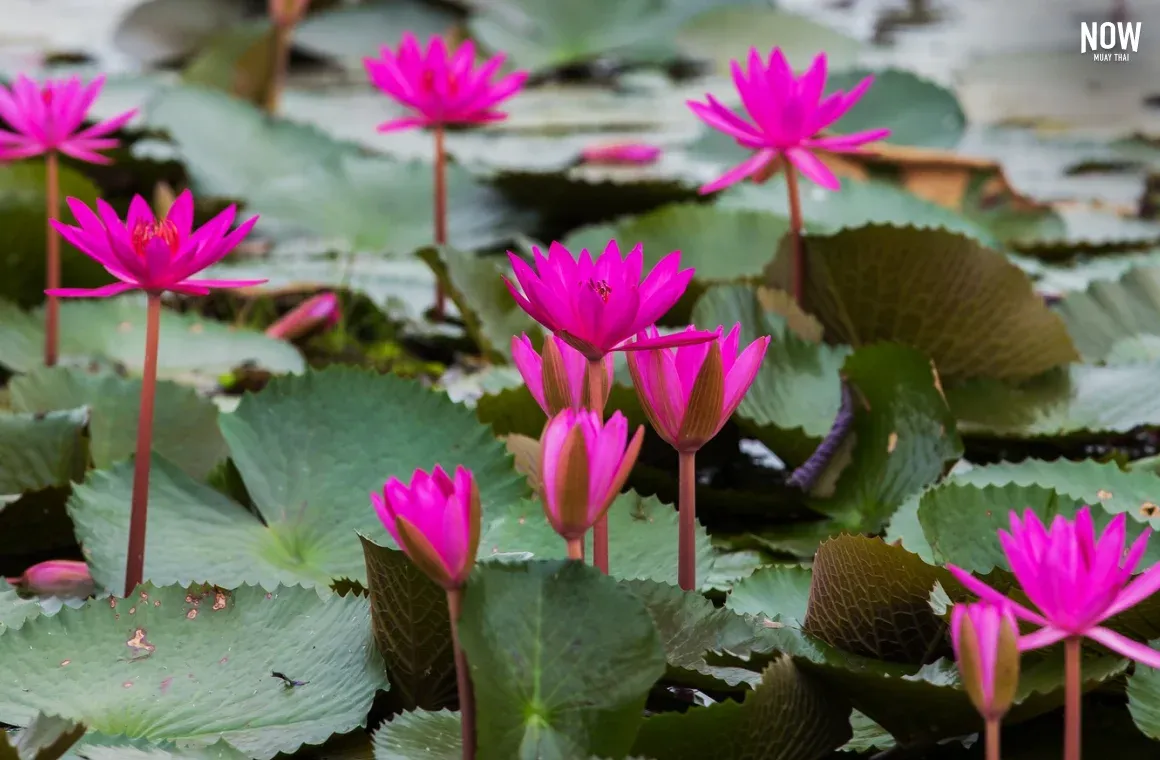
Red Lotus Sea
A seasonal lake famous for its expanses of pink lotus flowers. Early-morning boat trips are a popular way to experience the scenery when conditions are suitable.
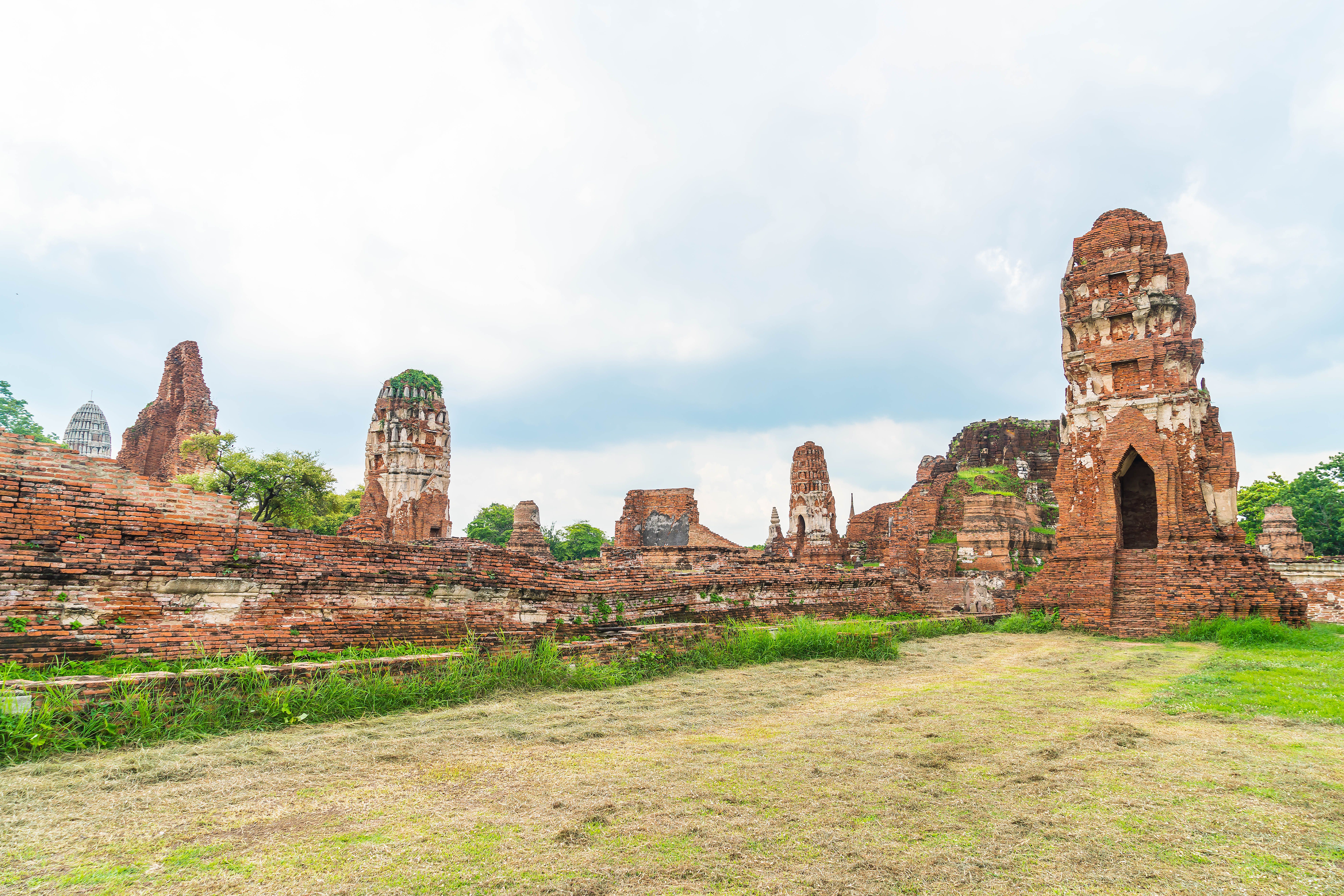
Ban Chiang Archaeological Site
A UNESCO World Heritage Site where visitors can explore the history of one of Southeast Asia's most important prehistoric settlements.
Things to Do in Udon Thani
Spend Time at Nong Prajak Public Park
Nong Prajak is a convenient place to enjoy some fresh air between training sessions. Walk around the lake, watch locals exercising or take a break in the surrounding green spaces. It offers a simple way to experience the city's everyday rhythm.
Explore Isan's Food Culture
Udon Thani is a great place to sample northeastern Thai cuisine. Visit local markets and restaurants to discover regional dishes, grilled meats, spicy salads and sticky rice. Exploring the local food scene is also an easy way to experience the region beyond its main attractions.
Visit the Red Lotus Sea
During the flowering season, Nong Han Lake becomes known for its impressive displays of pink lotus flowers. Boat trips usually take place in the morning, when conditions are often most suitable. Flowering depends on the season and weather, so check local conditions before making the trip.
Discover the Region's History
If you are interested in archaeology and cultural heritage, consider a day trip to Ban Chiang. The site provides insight into prehistoric life in the region and offers a different kind of excursion from the usual city sightseeing.
Take a Countryside Day Trip
Use Udon Thani as a starting point for exploring nearby temples, rural communities and cultural sites. A day outside the city can add variety to your stay, especially if you are combining a regular training routine with sightseeing.
Practical Tips for Visiting Udon Thani
- Check the Red Lotus Sea season. Flowering is seasonal, and the best viewing period can vary depending on weather and local conditions.
- Visit the lake early. Morning boat trips are generally preferred for viewing the lotus flowers.
- Try local Isan food. Explore markets and local restaurants for regional dishes and street food.
- Plan transport for day trips. Some attractions outside the city are easier to reach by car or organised excursion than by public transport.
- Balance training with exploration. Keep sightseeing flexible so you can maintain your Muay Thai schedule without rushing between attractions.
Is Udon Thani Right for Your Winter Muay Thai Trip?
Udon Thani is worth considering if you want to combine Muay Thai with regional food, local culture and a more everyday experience of Thailand. It is less about beach resorts and nightlife and more about exploring Isan at your own pace, with opportunities for countryside excursions and seasonal natural attractions.
Korat
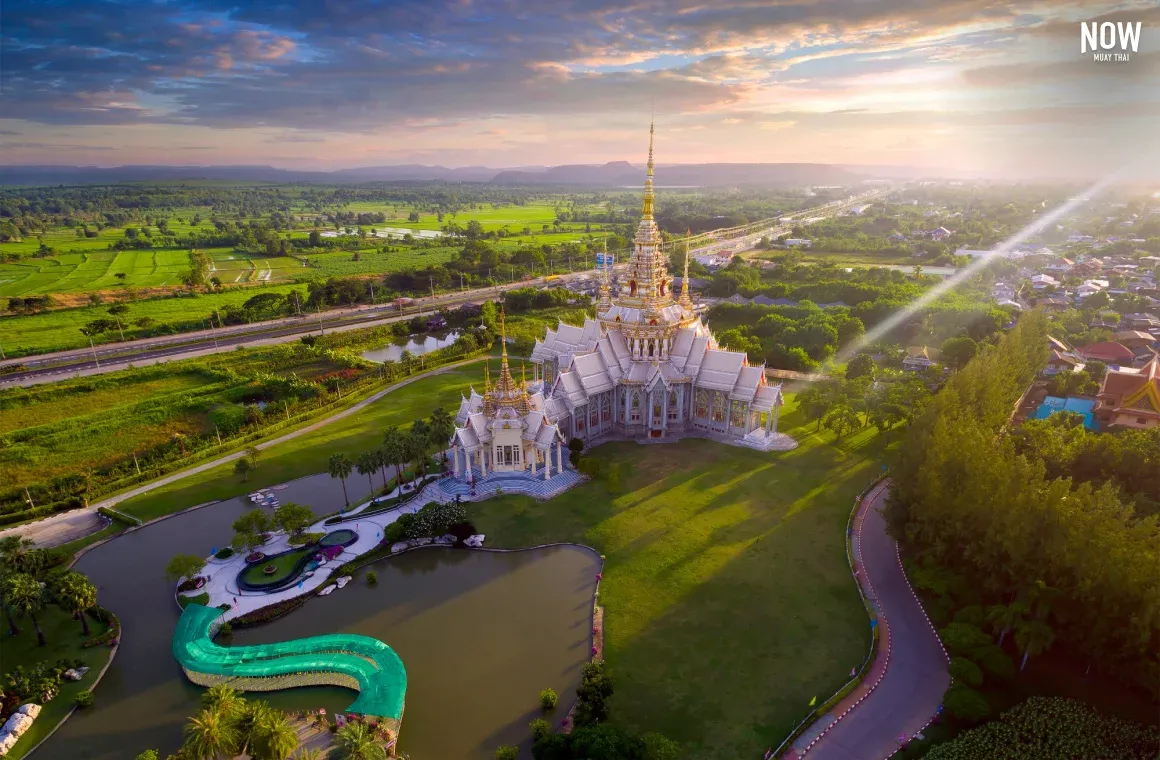 Wat None Kum in Nakhon Ratchasima (Korat)
City conveniences, regional cuisine and northeastern Thai culture.
A convenient city base with cultural excursions and local experiences.
Thao Suranari Monument, local markets and Phimai Historical Park.
Korat, officially known as Nakhon Ratchasima, is one of the main gateways to northeastern Thailand. With city conveniences, local markets, regional food and access to historic sites, it offers a different experience from Thailand's northern mountain destinations. Travellers can build a routine around Muay Thai training while exploring Isan culture at their own pace.
What to Expect in Korat
Korat combines the facilities of a major regional city with opportunities to discover the traditions and history of Isan. You can find local restaurants, markets, shopping areas and everyday conveniences while planning excursions to temples, archaeological sites and nearby nature destinations.
The cooler months are a comfortable time to explore the region, especially if you plan to spend time outdoors. Korat is also a practical choice for travellers who prefer having a city base and fitting sightseeing around a regular Muay Thai training schedule.
Top Attractions in Korat
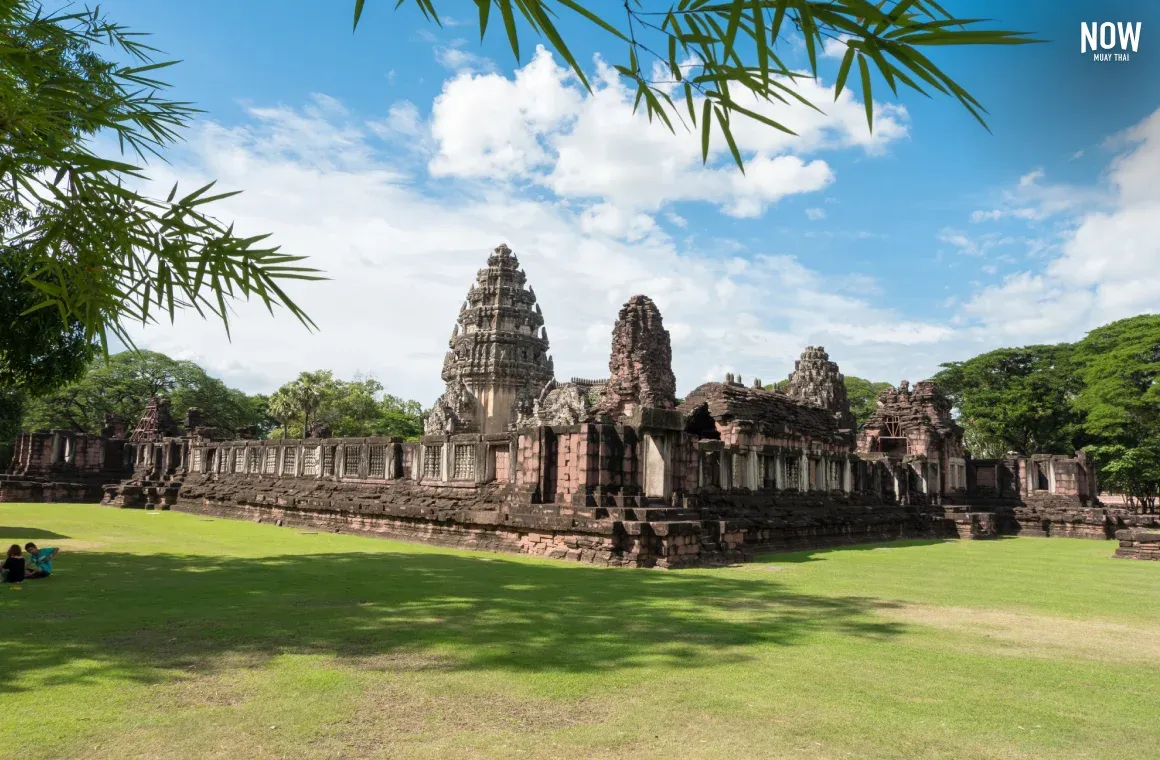
Phimai Historical Park
An impressive Khmer-era temple complex featuring stone architecture and intricate carvings, ideal for a cultural day trip.
Local Temples
Visit temples around the city and surrounding communities to discover local traditions and quieter cultural sites.
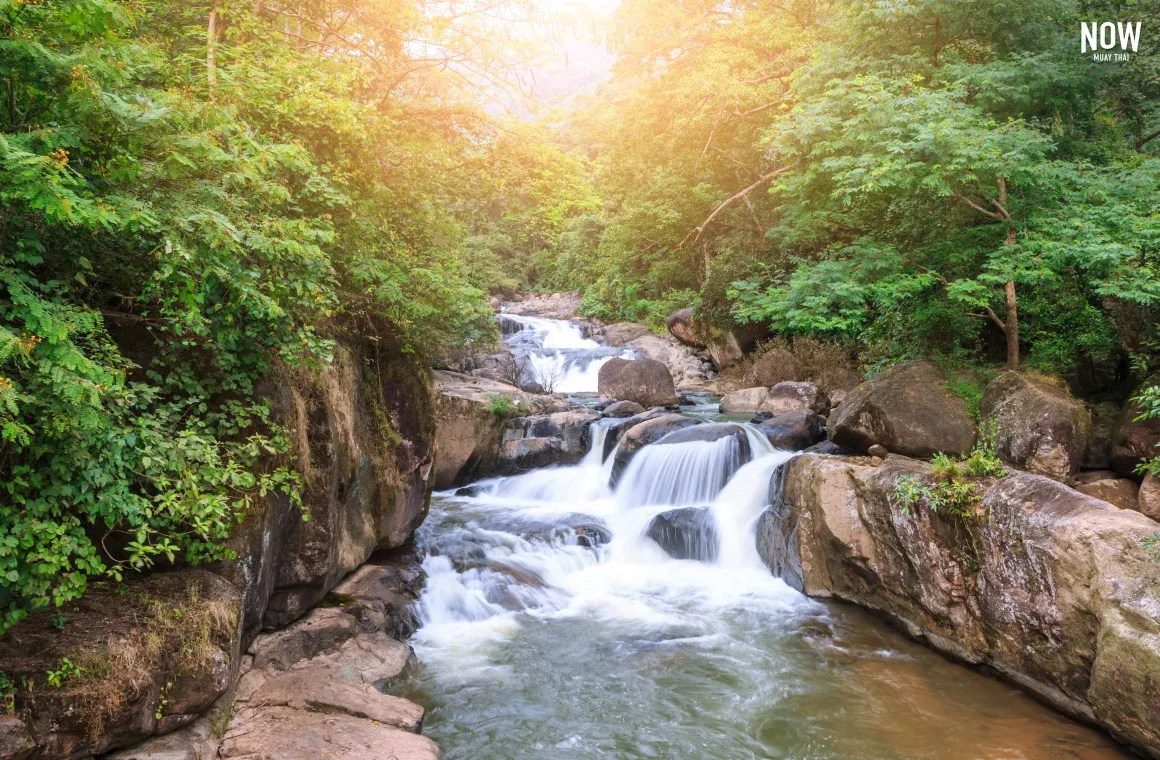
Khao Yai National Park
Consider a longer excursion to this UNESCO-listed national park, known for forest landscapes, wildlife and hiking opportunities. Check travel times before planning a day trip.
Things to Do in Korat
Explore the City Centre
Start with the Thao Suranari Monument and explore the surrounding city area. It is a useful introduction to Korat's history and provides an opportunity to see how local life unfolds around one of the city's best-known landmarks.
Discover Isan's Food Culture
Make time for Korat's local markets and restaurants. Sample northeastern Thai specialities, explore street-food stalls and try regional dishes that you might not encounter as easily in Thailand's more tourist-focused destinations.
Take a Cultural Trip to Phimai Historical Park
Phimai Historical Park is one of the region's most rewarding cultural excursions. The ancient Khmer sanctuary features detailed stonework and impressive architecture, offering insight into the area's historical connections and artistic heritage.
Explore Nature Beyond the City
If you have extra time, consider planning an excursion to a nearby countryside destination or further afield to Khao Yai National Park. Forest scenery, walking trails and outdoor activities can provide a refreshing contrast to city life and training sessions.
Build a Training-Friendly Routine
Korat's city facilities make it possible to combine Muay Thai with everyday conveniences. Keep sightseeing flexible and use rest days for longer excursions rather than trying to fit every attraction into a busy training schedule.
Practical Tips for Visiting Korat
- Plan day trips in advance. Check distances and transport options before visiting attractions outside the city.
- Explore local markets. Markets are a great way to sample Isan food and experience everyday life in northeastern Thailand.
- Allow enough time for Phimai. A visit to the historical park is best enjoyed without rushing.
- Consider transport for nature excursions. Some destinations are easier to reach by car or organised tour than by public transport.
- Keep your training schedule in mind. Plan longer sightseeing trips around your gym sessions and recovery days.
Is Korat Right for Your Winter Muay Thai Trip?
Korat is a good option if you want a practical city base, authentic northeastern Thai food and cultural attractions within reach. It offers a different kind of winter escape from the northern mountains, making it worth considering if you prefer urban conveniences and history alongside your Muay Thai training.
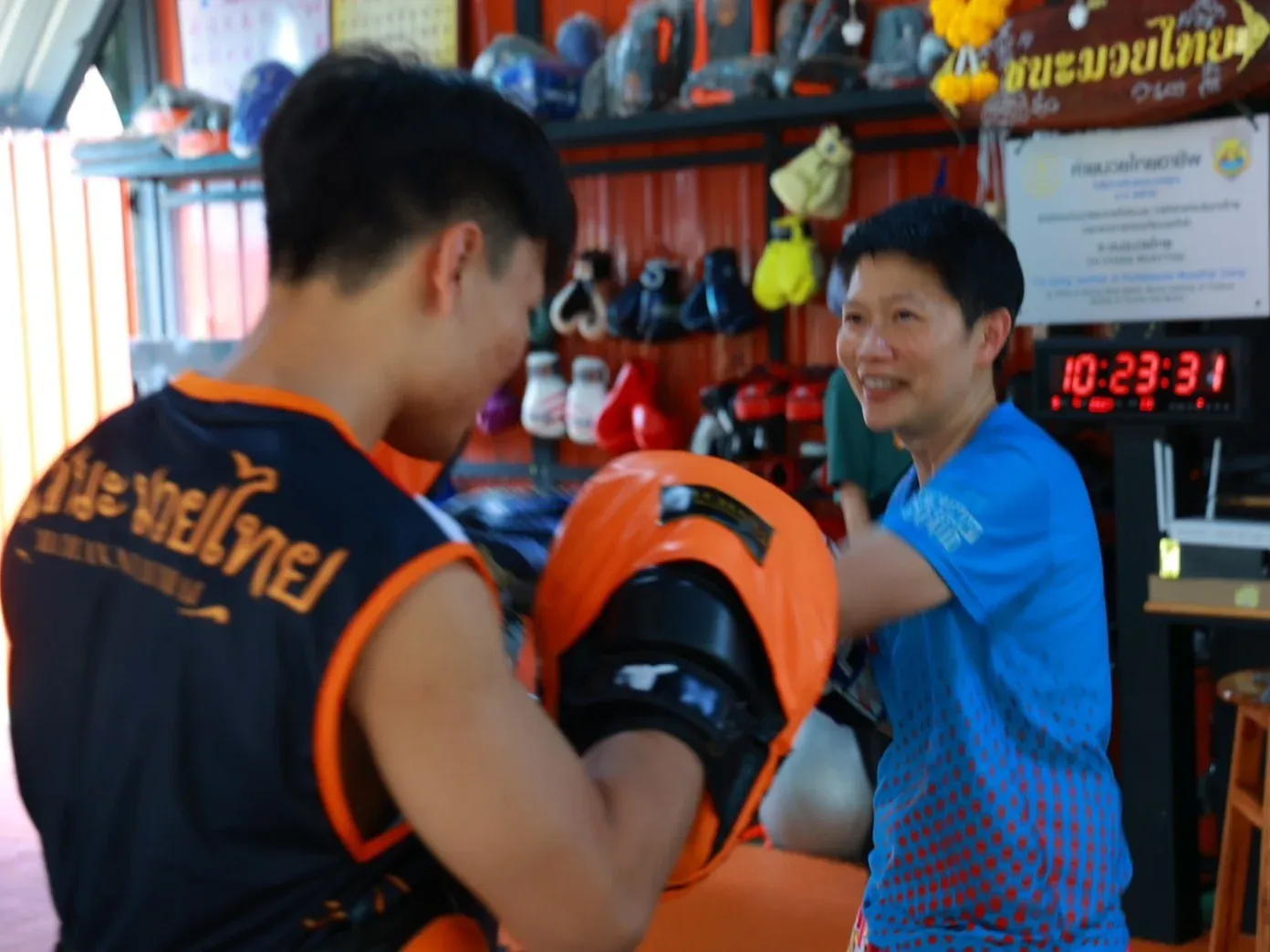
How Long Should You Stay?
Your ideal stay depends on whether Muay Thai is the main purpose of your trip or one part of a broader winter holiday. Allow enough time to settle into a routine, recover between sessions and explore the destination without rushing.
| Length of Stay | Best For |
|---|---|
| 1 Week | A short training holiday with time for sightseeing. |
| 2 Weeks | Building a routine while exploring the local area. |
| 3–4 Weeks | More consistent practice and a deeper experience of the region. |
| 6+ Weeks | A longer training block, skill development or focused preparation. |
If you plan to visit more than one province, account for travel days between destinations. Staying in one place for longer can make it easier to establish a regular training schedule.
How to Plan Your Winter Training Trip
Choose Your Main Experience
Decide whether you prefer northern mountain scenery, a countryside retreat or a city base in Isan. This will help narrow down your gym and accommodation options.
Compare Gyms and Packages
Check class times, training frequency, private-session options, accommodation and transport arrangements before making a booking.
Book the Important Details Early
Winter is a popular travel season. Reserve flights and accommodation ahead of time if your dates are fixed, and confirm your gym booking before travelling.
Leave Room for Rest and Exploration
Plan rest days and avoid filling every day with strenuous activities. A balanced schedule lets you enjoy the destination while maintaining consistent training.
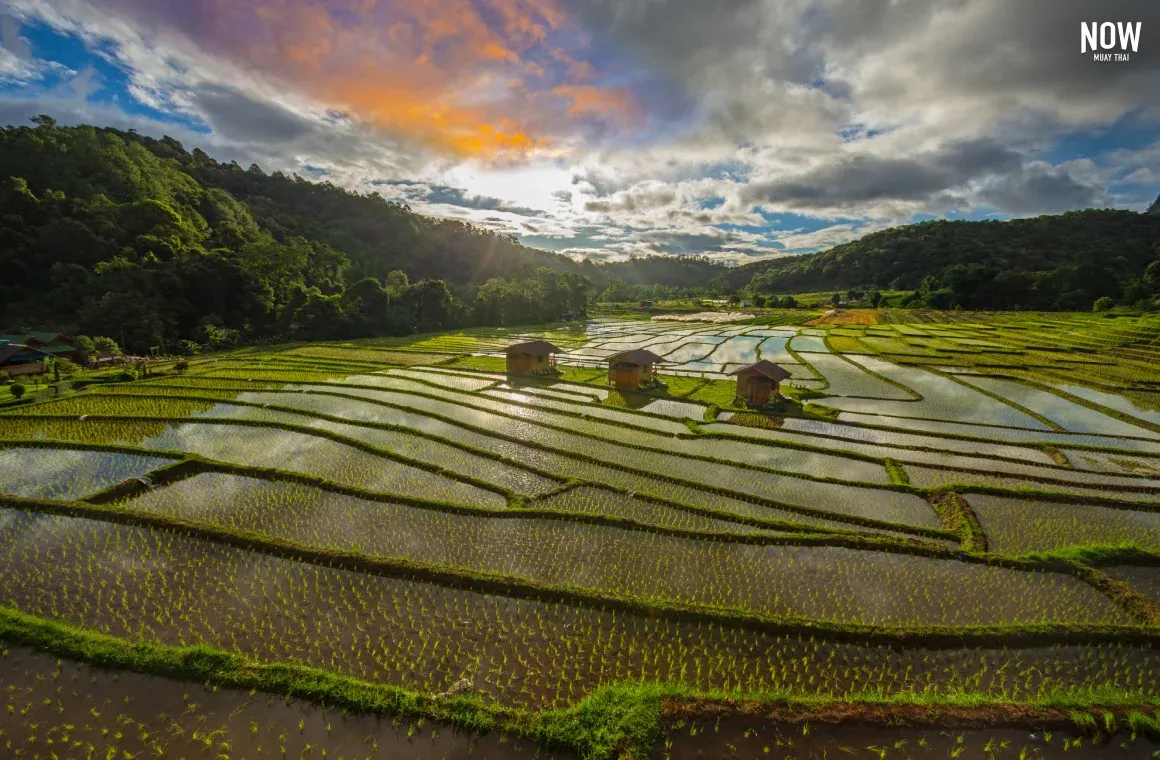 Mae Klang Luang at Doi Inthanon National Park
Make Winter Your Muay Thai Season
A winter trip to northern and northeastern Thailand can be about more than training alone. Explore local food, discover historic sites, enjoy the countryside and build a routine that balances practice with recovery. Choose the region that suits your travel style, check conditions before you go and give yourself time to experience Thailand beyond the gym.
Train, Explore and Experience a Different Side of Thailand
From Chiang Mai and Chiang Rai to Phetchabun, Udon Thani and Korat, winter offers plenty of ways to combine Muay Thai with regional culture and outdoor experiences. Pack a few layers, plan your training around local conditions and choose a gym that fits the kind of trip you want.
Continue Your Muay Thai Journey
Want to go deeper before choosing your next gym or training camp? Explore our guides to finding the right gym, preparing for your first training experience and understanding what to expect when you train in Thailand.
- Thailand Summer Travel Guide: Best Destinations to Visit from March to May
- Training Muay Thai in Thailand's Rainy Season: Hidden Gem Guide
- Best Time to Train Muay Thai in Thailand: The Ultimate Winter Escape Guide
- Inside a Thai Muay Thai Camp: How Fighters Train, Eat, Recover and Prepare for Competition
- Walk-in vs. Online Booking: Which Is the Best Way to Book a Muay Thai Class in Thailand?
- Authentic Fight Camp vs. Modern Boutique Gym: Which Muay Thai Experience Is Right for You?
- How to Plan Your Muay Thai Trip in Thailand Around Your Schedule
- Why Female Travellers Should Try Muay Thai in Thailand
- Find Your Best Version Through Muay Thai
Learn more about Muay Thai

Essential Travel Safety Guide for Thailand: Weather, Preparedness, & Emergency Action
Inside a Thai Muay Thai Camp: How Fighters Train, Eat, Recover and Prepare for Competition
What Happens During a Typical Muay Thai Training Session in Thailand?
How to Improve Your Kicks in Muay Thai: Balance, Power & Technique
Back