
 Home
Home Muay Thai Gyms
 Training Classes
 Promotions
 Muay Thai Visa
 Blog
BlogTraining Muay Thai in Thailand's Rainy Season: Hidden Gem Guide
July 22, 2026


For travelers who don't mind brief tropical showers, the rainy season (May to October) is actually one of the best times to visit Thailand. The landscapes are at their greenest, waterfalls are flowing, temperatures are generally cooler than in the hot season, accommodation prices are often lower, and popular attractions are less crowded. Far from being a washout, this period is a "hidden gem" for dedicated Muay Thai practitioners and adventure-seekers alike.
For those looking to train, the benefits are:
- lower accommodation costs
- fewer tourist crowds at popular attractions
- a cooler climate that makes high-intensity training far more manageable.
Table of Contents
Best Cities to Visit in the Rainy Season
Abundant indoor attractions & world-class training
Best Beach Destinations
The driest coastal destinations during much of the rainy season
Best Mountain Destinations
Cool weather, mountains, waterfalls and scenic road trips.
Why Train Muay Thai During Thailand's Rainy Season?
Thailand is a year-round destination, but May through October offers:✔ lower accommodation costs
✔ fewer tourist crowds at popular attractions
✔ a cooler climate that makes high-intensity training far more manageable
✔ Easier sightseeing without extreme heat
✔ Good conditions for hiking in northern Thailand
What to Expect
Thailand's rainy season does not mean constant rain or grey skies. In most regions, the weather follows a tropical pattern: mornings are often sunny or partly cloudy, clouds build up during the afternoon, and heavy showers arrive for a short period before the weather clears again. Most rain falls as intense tropical storms rather than the long, cold rain common in Europe. A typical rainy day may include one to three hours of rain, followed by cooler and fresher air. However, coastal areas affected by the monsoon can experience longer rainy periods and rough seas.
Temperatures remain warm throughout the season. Most destinations stay between 28°C and 33°C during the day, while nights usually range from 24°C to 28°C. Humidity is high, so the temperature often feels several degrees warmer than it actually is. The rain itself is warm, and you will rarely feel cold unless you are in northern mountain areas after heavy rain or spending time in strong air conditioning.
Plan your training or outdoor excursions for the early morning or evening when rain is least likely, and save the mid-afternoon for indoor activities or relaxation
| Destination | Rainy Season Rating |
|---|---|
| Bangkok | ⭐⭐⭐⭐⭐ |
| Hua Hin | ⭐⭐⭐⭐⭐ |
| Koh Phangan | ⭐⭐⭐⭐⭐ (July–September) / ⭐⭐☆☆☆ (Oct–Dec) |
| Chiang Mai | ⭐⭐⭐⭐⭐ |
| Chiang Rai | ⭐⭐⭐⭐⭐ |
| Samut Prakan | ⭐⭐⭐⭐☆ |
| Pattaya | ⭐⭐⭐⭐☆ |
| Phetchabun | ⭐⭐⭐⭐☆ |
| Korat | ⭐⭐⭐⭐☆ |
| Udon Thani | ⭐⭐⭐⭐☆ |
| Phuket | ⭐☆☆☆☆ |
| Krabi | ⭐☆☆☆☆ |
Although evenings in Chiang Mai and northern Thailand can occasionally feel chilly, daytime conditions remain ideal for outdoor activities and training.
Essential Packing List
To make the most of your training trip, pack strategically:
- Quick-dry activewear
- Lightweight rain shell: A packable, breathable jacket is invaluable for scooter rides or unexpected showers. You can buy one at 7-eleven
- Waterproof dry bag or put your bag in a plastic bag, as this protects your electronics and valuables while you are on the move.
- Sturdy sandals/water shoes
- High-quality insect repellent that you can find at 7-eleven
Best cities to visit in the rainy season:
Bangkok
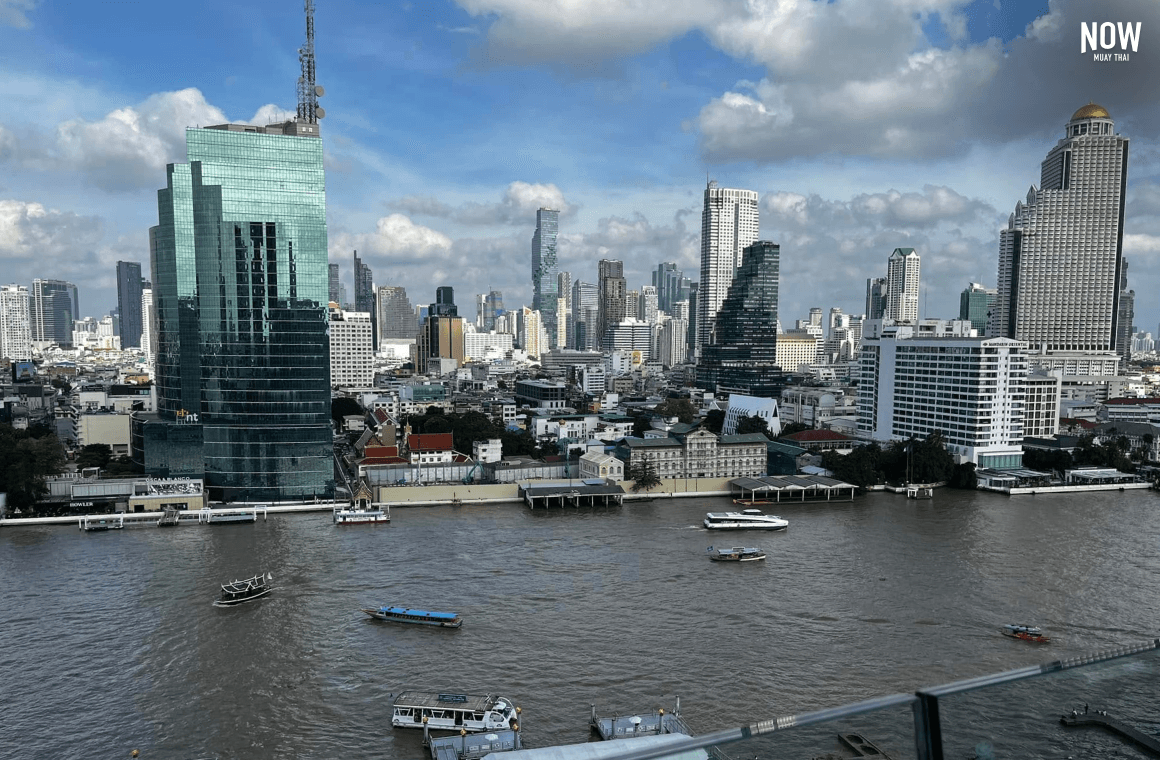 View over Chao Praya River from ICONSIAM in Bangkok
Bangkok during the rainy season is hot, humid, and lively. Daytime temperatures usually stay around 31–34°C, with nights around 26–28°C. Rain typically arrives in the afternoon or evening and usually lasts between one and three hours. Some storms can be very heavy, causing temporary flooding on streets, but it rarely rains continuously for an entire day.
Before a storm, the air often feels warm and still because of the humidity. When the rain arrives, strong wind gusts can bring cooler air, and after the storm the city feels noticeably fresher. The weather is still very warm, and rainy days are easy to enjoy thanks to Bangkok's many indoor attractions, shopping malls, cafés, museums, temples, and restaurants.
Best for:
City breaks, world-class Muay Thai gyms, shopping, indoor attractions, food lovers and travellers who want plenty of activities regardless of the weather.Weather
26–33°C with warm temperatures throughout the year. During the rainy season (May–October), showers usually arrive in the late afternoon or evening and rarely last all day. Most mornings remain sunny, making it easy to train before the rain arrives.What to Expect
Bangkok is arguably Thailand's best rainy-season destination. While beach holidays can occasionally be interrupted by tropical storms, Bangkok offers hundreds of indoor attractions that make rainy days enjoyable rather than frustrating. You can spend the morning training Muay Thai, enjoy lunch at a local restaurant, and then continue your day exploring shopping malls, museums, aquariums, cafés or observation decks without worrying about the weather.The rainy season also brings noticeably fewer tourists than the peak winter months, meaning shorter queues at popular attractions and lower hotel prices.
Top Attractions
- Grand Palace
- Wat Pho (Reclining Buddha)
- Wat Arun
- Chatuchak Weekend Market
- ICONSIAM
- MBK Center
- Siam Paragon
- CentralWorld
- Platinum Fashion Mall
- One Bangkok
- Erawan Museum
- Bangkok Art & Culture Center
 A mall in Bangkok
Things to Do in Bangkok
Rainy afternoons are the perfect excuse to explore Bangkok's incredible shopping malls. MBK Center remains one of the city's best places for affordable shopping, souvenirs and electronics, while Platinum Fashion Mall is ideal if you're looking for clothing at wholesale prices. If you're interested in computers, cameras or gaming equipment, spend a few hours inside Fortune Town or Central Rama 9, whereas Siam Paragon combines luxury shopping with one of Southeast Asia's largest aquariums, SEA LIFE Bangkok Ocean World.One of Bangkok's newest attractions is One Bangkok, a modern lifestyle district featuring restaurants, cafés, art installations and HarbourLand, one of Thailand's largest indoor playgrounds. Even if you're travelling without children, it's worth visiting simply to experience Bangkok's newest mixed-use development.
If the weather clears later in the day, take the BTS to Benjakitti Forest Park for an evening walk, or enjoy sunset from one of Bangkok's rooftop bars after the rain has washed the city clean. Tropical showers often create spectacular sunsets and cooler evening temperatures.
For a cultural day, combine the Bangkok Art & Culture Centre, Jim Thompson House, and Museum Siam, all of which can easily fill an afternoon when it's raining outside.
If you have an extra day, take the BTS to nearby Samut Prakan and visit the magnificent Erawan Museum, whose impressive indoor galleries make it an excellent rainy-day excursion.
Practical Tips
- Catch a taxi with a meter. The fare starts at 35 THB, with the meter increasing 2 THB based on both the distance travelled and the time spent in traffic.
- Download Grab and Bolt to get motorbike taxis.
- For longer distances, use the BTS Skytrain and MRT whenever possible. They are inexpensive, air-conditioned and usually much faster than travelling by road during rush hour. Bring a long-sleeved shirt for the BTS and MRT. It gets cold inside if you need to travel long distances.
- Bangkok's traffic can be unpredictable, especially between 7:00–10:00 am and 4:30–10:30 pm. Allow extra travel time if you have a gym session, flight or train to catch.
- The weather is hot throughout the year, and convenience stores such as 7-Eleven are never far away if you need water or cool down.
- If you plan to train Muay Thai in Bangkok, try to stay close to your gym. Even a short distance on the map can become a long journey during peak traffic.
- Train in the morning whenever possible, as rain is most common during the afternoon and evening.
- Carry a compact umbrella or lightweight rain jacket.
- Bring a waterproof bag for your phone and passport.
- Shopping malls often have powerful air conditioning, so a light hoodie can be surprisingly useful.
- Rain usually passes within a few hours, so avoid cancelling your plans too early.
Recommended Gym
7 Stars Muaythai Gym

A modern martial arts academy offering high-quality training in Muay Thai. With dedicated beginner and all-level Muay Thai classes, experienced coaching, and a welcoming atmosphere, it's an excellent choice for both first-time visitors and experienced martial artists looking to train in Bangkok.
Schedule: Mon–Sat:
Private Class: 8:00-9:30, 13:00-15:00, 17:00 - 18:30
Group Class: 10:00-11:30, 15:30 - 17:00, 18:30 - 20:00
Single Group Class Session : 490 THB
Private Session for Kid : 700 THB
More Great Options:
Banchamek Gym Bangkok
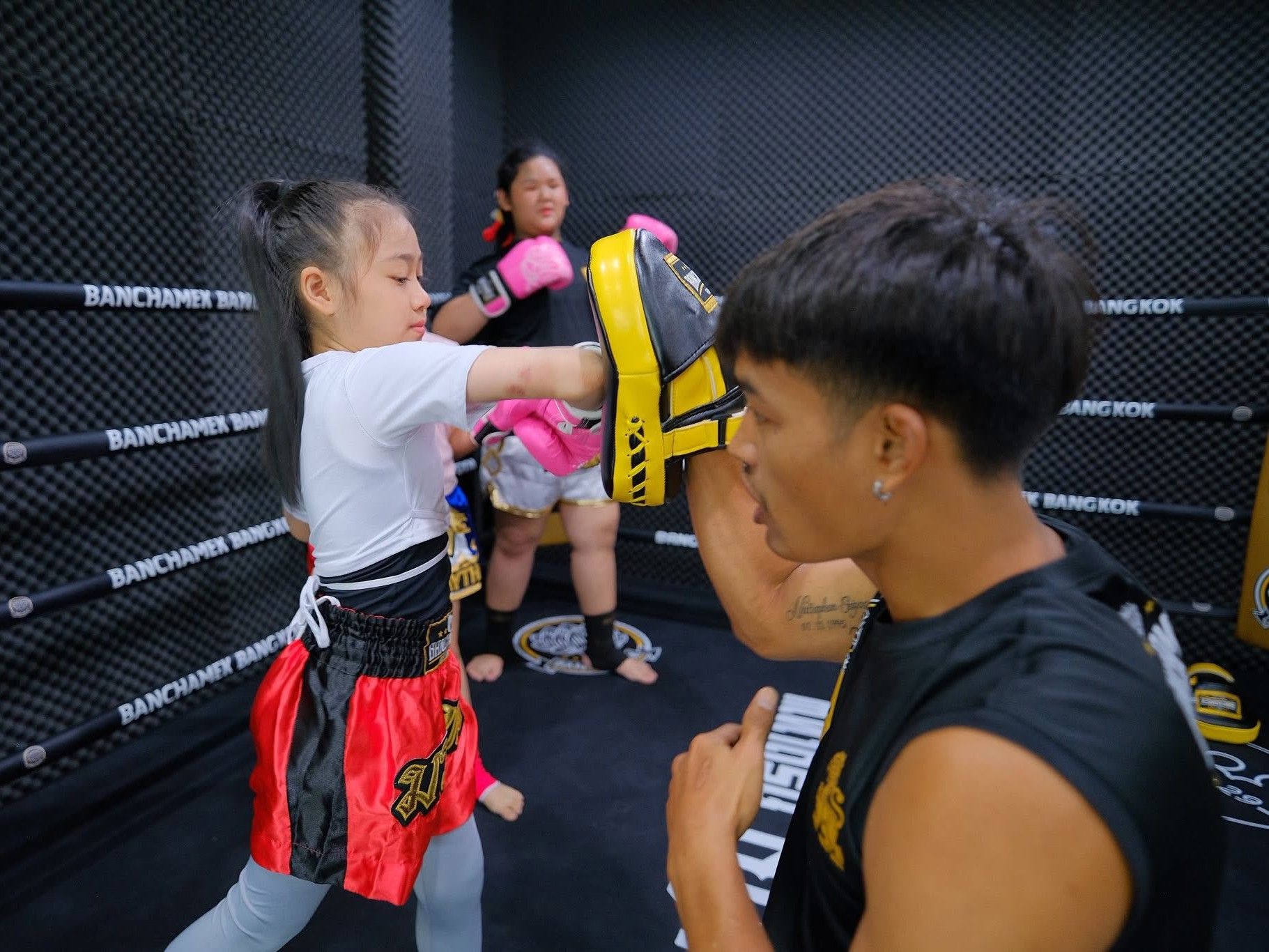
Traditional Muay Thai gym focused on authentic Thai training, technical development, pad work, clinching and conditioning in a friendly environment for all levels.
Jaroenthong Muay Thai Gym

Offers Muay Thai and kids’ programs — ideal for beginners.
Marrok Fitness
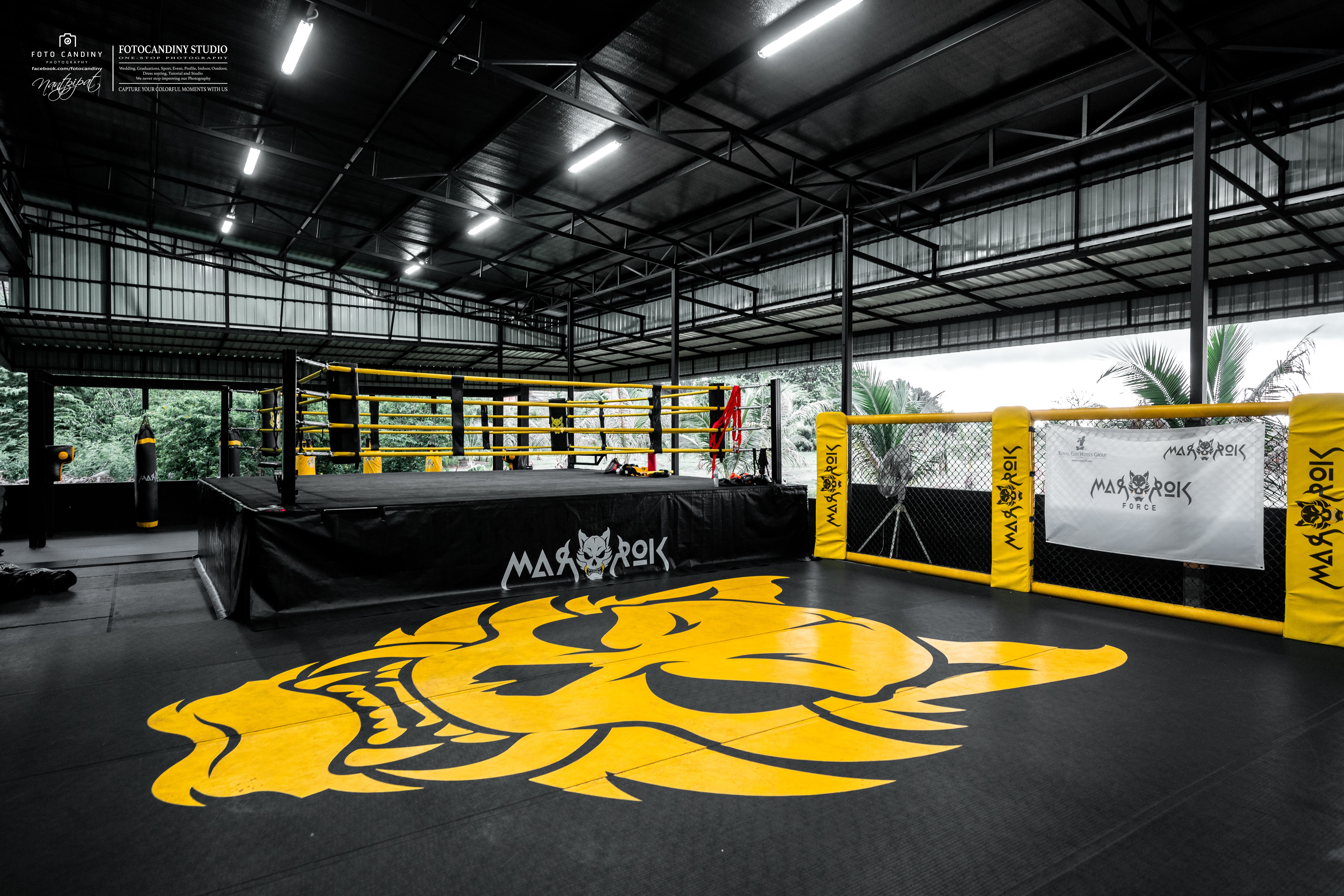
Marrok Fitness offers a massive facility with diverse combat sports options.
Samut Prakan
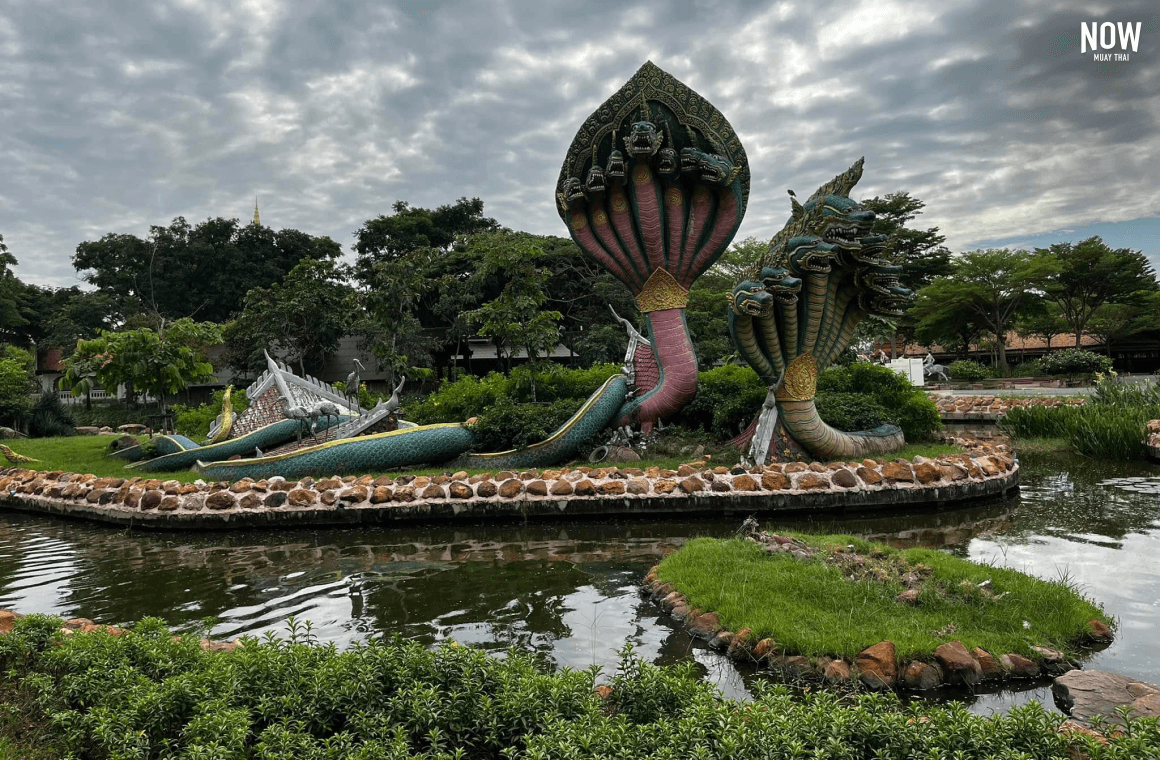 7-headed Naga Sculpture at the Ancient City
Samut Prakan is one of the best rainy season day trips from Bangkok. Located just south of the capital, the province combines impressive cultural attractions, riverside scenery, green parks and unique museums that are easy to enjoy even when tropical showers arrive.
The rainy season brings a different atmosphere to Samut Prakan. Parks and gardens become lush green, the air feels fresher after rainfall and slightly cooler temperatures make outdoor exploration more comfortable compared with the hottest months of the year.
Because it receives far fewer international visitors than central Bangkok, Samut Prakan offers a more peaceful experience. It is an excellent choice for travellers who want to explore Thai history, take beautiful photos and enjoy a slower day away from the city's busy streets.
Best for:
Culture lovers, photographers, peaceful day trips from Bangkok and travellers looking for a mix of history, nature and indoor attractions during the rainy season.
Weather
26–33°C with warm temperatures throughout the year. During the rainy season (May–October), showers usually arrive in the afternoon or evening and rarely last all day. Rainfall keeps the parks and gardens lush green, while slightly cooler temperatures make walking outdoors more comfortable than during the hot season.
What to Expect
Located just south of Bangkok, Samut Prakan is one of the best rainy-season day trips from the capital. It combines cultural landmarks, riverside scenery and one of the world's largest open-air museums with one of Thailand's most impressive indoor museums. Since the province receives far fewer tourists than Bangkok, you'll often have plenty of space to explore even during weekends. The rainy season transforms the parks into vibrant green landscapes, making it an excellent destination for photography and sightseeing.
Top Attractions
- Ancient City (Muang Boran)
- Erawan Museum
- Bang Pu Recreation Centre
- Phra Samut Chedi
- Local seafood restaurants
- Riverside temples and markets
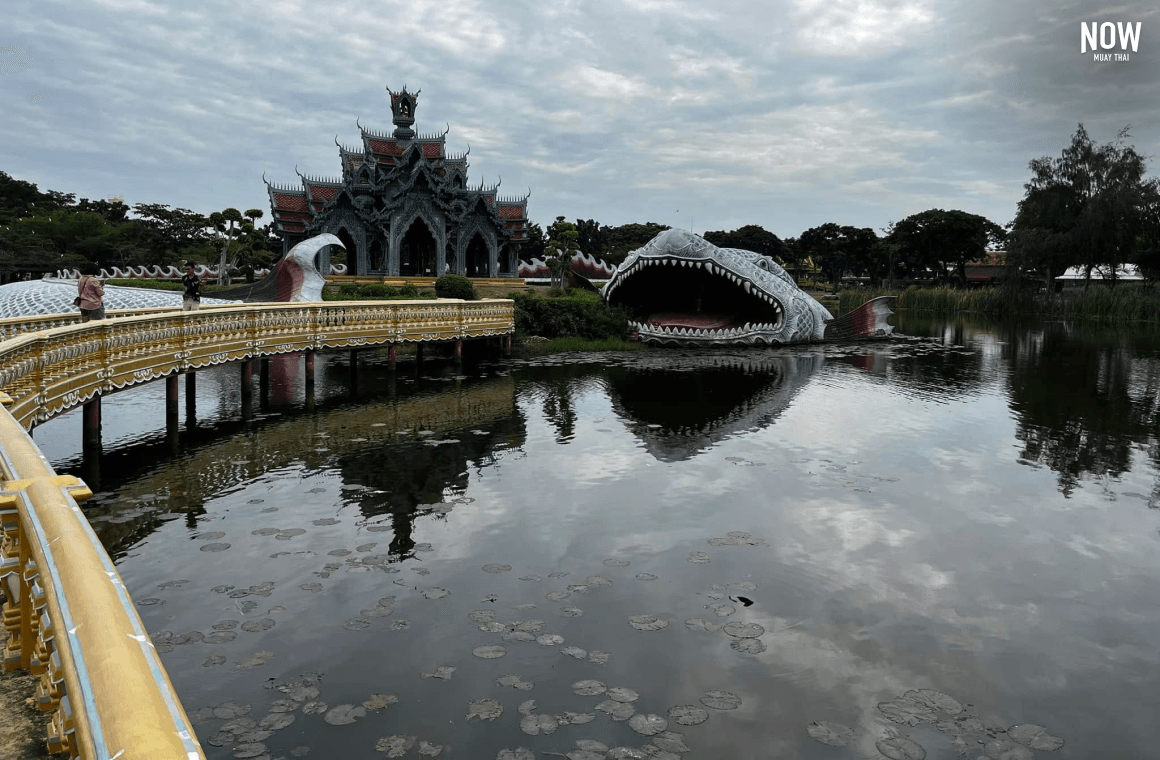 Replica of Sumeru Temple at the Ancient City
Things to Do in Samut Prakan
If you're looking for a peaceful escape from Bangkok, spend a day exploring Ancient City (Muang Boran), one of Thailand's most impressive cultural attractions. The rainy season is arguably one of the best times to visit. Tropical showers bring the gardens, lotus ponds and trees to life, while the cooler air makes exploring the enormous park much more comfortable than during Thailand's hot season.
The park is far larger than most visitors expect, featuring full-scale reconstructions and detailed replicas of famous temples, palaces and historical landmarks from across Thailand. Since you'll easily spend an entire day here, renting a bicycle or golf cart is highly recommended. If rain is forecast, a golf cart provides extra comfort and allows you to continue exploring even during light showers.
Photography enthusiasts will love the rainy season. Fresh greenery, dramatic clouds and reflections on the lakes create beautiful scenery throughout the park. Since visitor numbers are generally lower than during the cool season, you'll often have many of the landmarks almost entirely to yourself.
If heavy rain arrives, head to the nearby Erawan Museum. Home to its iconic three-headed elephant statue, the museum offers stunning indoor architecture, colourful stained-glass ceilings and intricate Thai artwork, making it one of the best rainy-day attractions near Bangkok. While Ancient City and the Erawan Museum can both be visited from Bangkok, we recommend choosing just one if you want to explore without rushing.
If the weather clears in the evening, finish your day at Bang Pu Recreation Centre, where you can enjoy fresh seafood overlooking the Gulf of Thailand. The cooler temperatures after rainfall make it an ideal place for a relaxing dinner before returning to Bangkok.
Practical Tips
- Take the BTS Skytrain to Kheha Station, then continue by local songthaew (around 20 THB) to Ancient City.
- Start your visit early to explore the outdoor attractions before the afternoon showers become more likely.
- Rent a golf cart if rain is forecast or if you're travelling with family.
- Bring a compact umbrella or lightweight rain jacket for short tropical showers.
- Waterproof your phone and camera if you plan to photograph around the lakes and gardens.
- If heavy rain begins, the Erawan Museum is an excellent indoor alternative.
- Book Ancient City tickets online in advance, as they are often cheaper than buying them at the entrance.
Recommended Gyms
MC Muaythai Gym
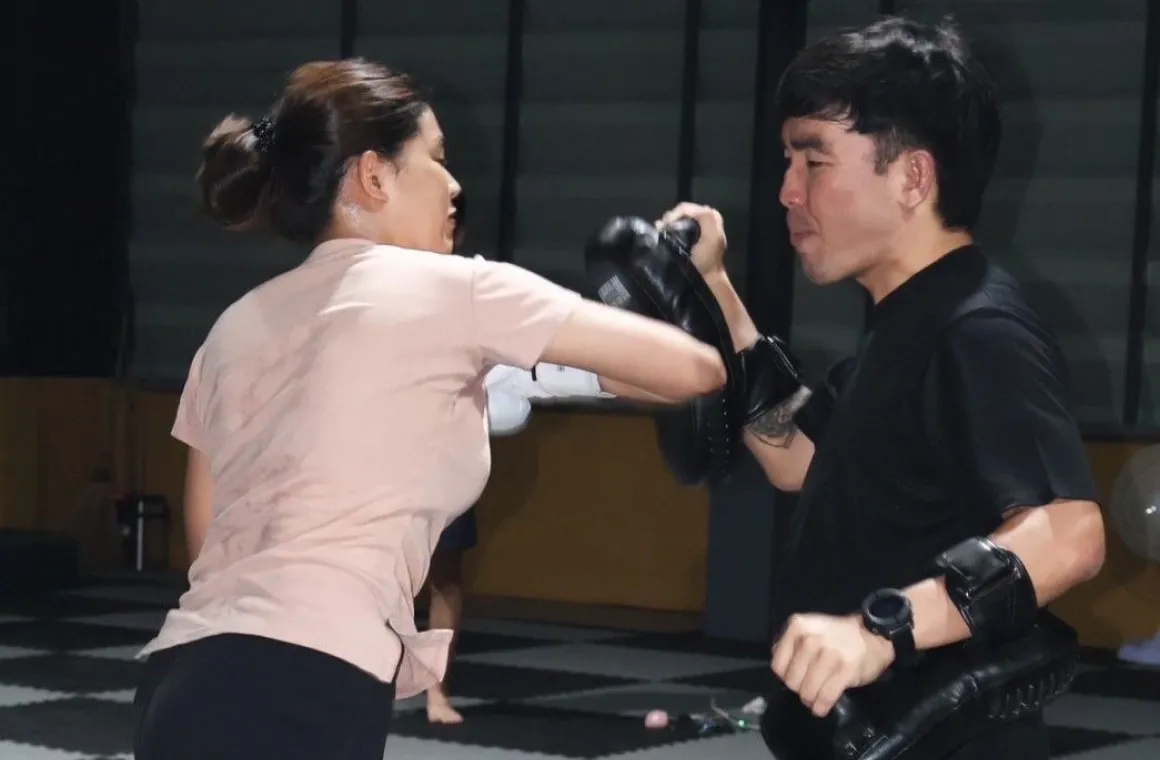
A flexible Muay Thai gym offering daily sessions throughout the day, making it easy for travellers to fit training into their schedule. Suitable for beginners through experienced practitioners with convenient hourly classes.
Training: Muay Thai (60 min)
Schedule: Mon–Sun (10:00–20:00, multiple hourly sessions)
Single Session : 500 THB
1 Week Unlimited Training : Available
Master Toddy's Muay Thai Academy

One of Thailand's best-known Muay Thai academies, Master Toddy's combines authentic Thai instruction with long-term training camps that include accommodation and meals. Suitable for everyone from complete beginners to experienced fighters.
Training: Muay Thai
Schedule: Mon–Sat (08:00–17:30)
Single Session : 500 THB
1 Week Package (Accommodation + Meals + Training) : 17,000 THB
1 Month All-Inclusive : 32,000 THB
2 Month All-Inclusive : Available
Best beach destinations
Hua Hin
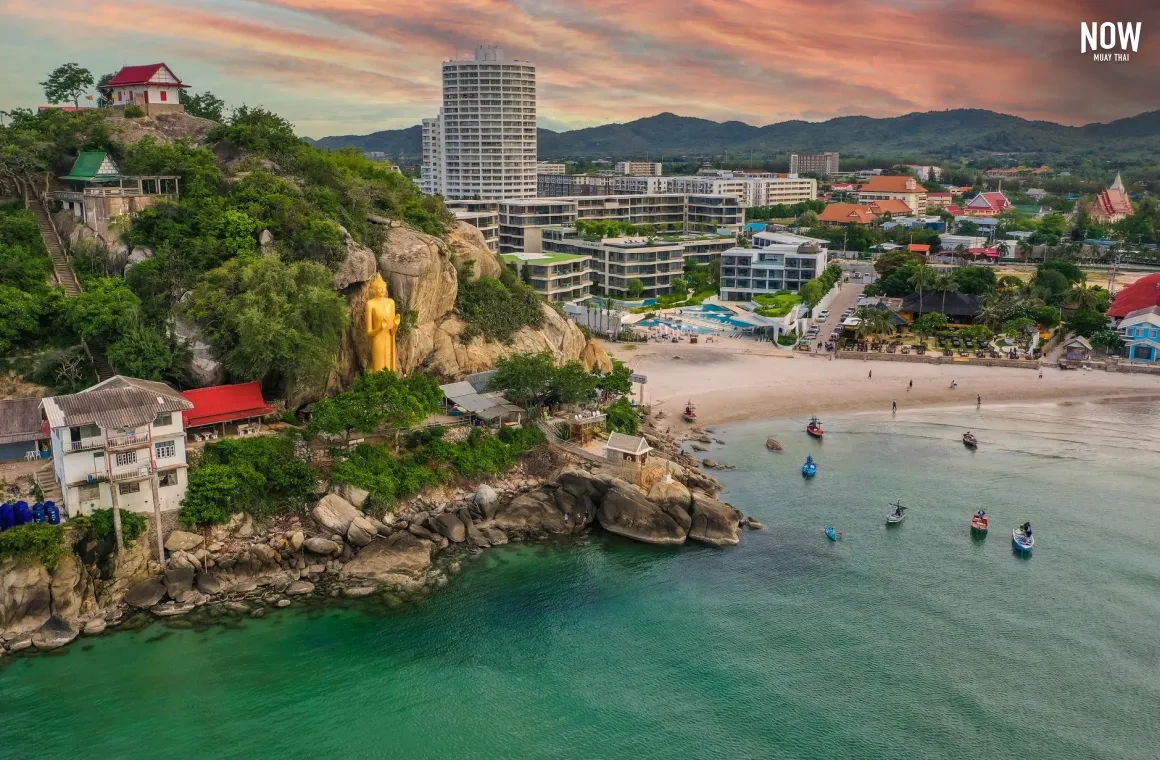 Beach at Hua Hin
Hua Hin is one of Thailand's most reliable beach destinations during the rainy season. Located on the Gulf of Thailand, it generally receives less rainfall than many destinations along the Andaman Coast, such as Phuket or Krabi. Daytime temperatures usually stay between 30–33°C, while evenings remain warm at around 26–28°C.
Rain typically falls in short tropical showers, most commonly during the afternoon or evening, and often lasts between 30 minutes and two hours. Many mornings stay sunny, making it easy to fit in a Muay Thai training session or spend a few hours at the beach before the clouds build. The sea breeze helps keep temperatures comfortable, and although occasional storms can bring stronger winds, they usually pass quickly, leaving behind cooler, fresher air.
The rainy season also means fewer tourists, quieter beaches and lower accommodation prices, making Hua Hin an excellent destination for travellers looking to combine Muay Thai training with a relaxed seaside holiday.
Best for:
Relaxed beach holidays, Muay Thai training, seafood, families, golf, weekend markets and travellers looking for a quieter alternative to Thailand's busier beach resorts.
Weather
26–33°C throughout the rainy season. Showers usually arrive during the afternoon or evening and rarely last all day. Many mornings remain dry and sunny, while the coastal breeze keeps the humidity more comfortable than in many inland destinations.
What to Expect
Hua Hin is one of the easiest beach destinations to enjoy during Thailand's rainy season. While tropical showers are common, they are usually short enough that they won't disrupt your entire day. The town offers an ideal balance of beach life and indoor attractions, allowing you to train Muay Thai in the morning, relax by the sea, explore local cafés or shopping malls during a passing shower, and return to the beach once the skies clear. Compared with the high season, you'll also enjoy a much more peaceful atmosphere, shorter queues and better hotel deals.
Top Attractions
- Hua Hin Beach
- Khao Takiab (Monkey Mountain)
- Hua Hin Night Market
- Cicada Market
- Bluport Hua Hin Resort Mall
- Market Village Hua Hin
- Vana Nava Water Jungle
- Sam Roi Yot National Park
- Phraya Nakhon Cave
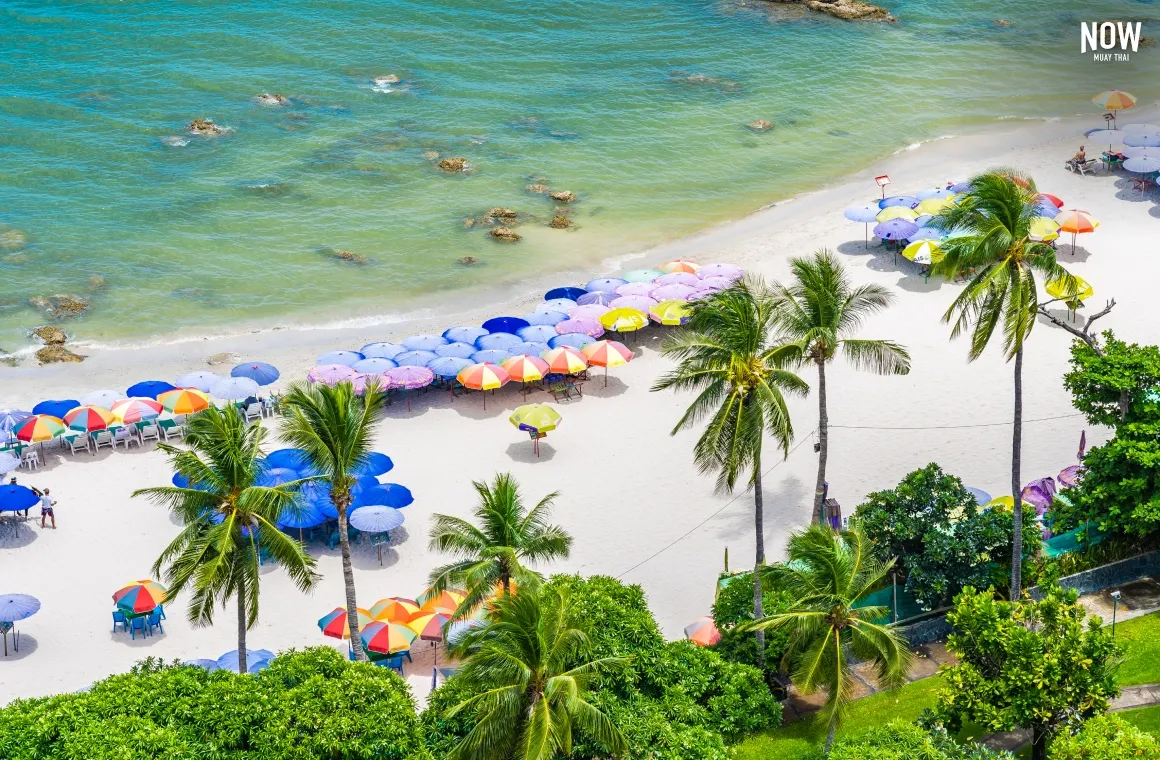 Hua Hin Beach
Things to Do in Hua Hin
One of the biggest advantages of visiting Hua Hin during the rainy season is how easy it is to adapt your plans around the weather. Start your morning with Muay Thai training or a walk along Hua Hin Beach, then head indoors if an afternoon shower arrives. Bluport Hua Hin Resort Mall and Market Village Hua Hin offer shopping, cafés, restaurants and cinemas, making them perfect places to spend a couple of hours while waiting for the rain to pass.
Once the weather clears, explore Khao Takiab, also known as Monkey Mountain. The viewpoint offers beautiful panoramas over Hua Hin's coastline, and the cooler temperatures after rainfall often make the climb much more comfortable than during Thailand's hot season. Just remember to keep food, sunglasses and bags secure from the resident monkeys.
If you're looking for nature, plan a day trip to Sam Roi Yot National Park. During the rainy season the wetlands, limestone mountains and surrounding countryside become incredibly lush, creating some of the most beautiful scenery of the year. The famous Phraya Nakhon Cave is especially impressive after rainfall, although sturdy footwear is recommended as the trail can become slippery.
In the evening, visit the Hua Hin Night Market for fresh seafood and local street food. Be sure to look for the small stall selling traditional Thai mini pancakes made from egg yolk and coconut—a local favourite that's easy to overlook among the larger food vendors.
If you're visiting over the weekend, don't miss Cicada Market, where you'll find handmade crafts, live music, local artists and excellent street food in a relaxed open-air setting.
Practical Tips
- Train Muay Thai in the morning when the weather is usually driest.
- Carry a lightweight umbrella or compact rain jacket for short tropical showers.
- Pack waterproof protection for your phone and valuables if you're riding a scooter.
- Visit Bluport or Market Village if heavy rain interrupts your beach plans.
- Wear shoes with good grip if visiting Sam Roi Yot National Park or Phraya Nakhon Cave during the rainy season.
- The beaches are usually much quieter than during the cool season, making sunrise and sunset walks particularly enjoyable.
- If you're staying for Muay Thai training, Hua Hin's compact layout makes it easy to travel between your gym, accommodation and the beach.
- Rain showers rarely last all day, so don't cancel your plans too quickly—waiting an hour often brings blue skies again.
Recommended Gyms
Elite Fight Club Hua Hin
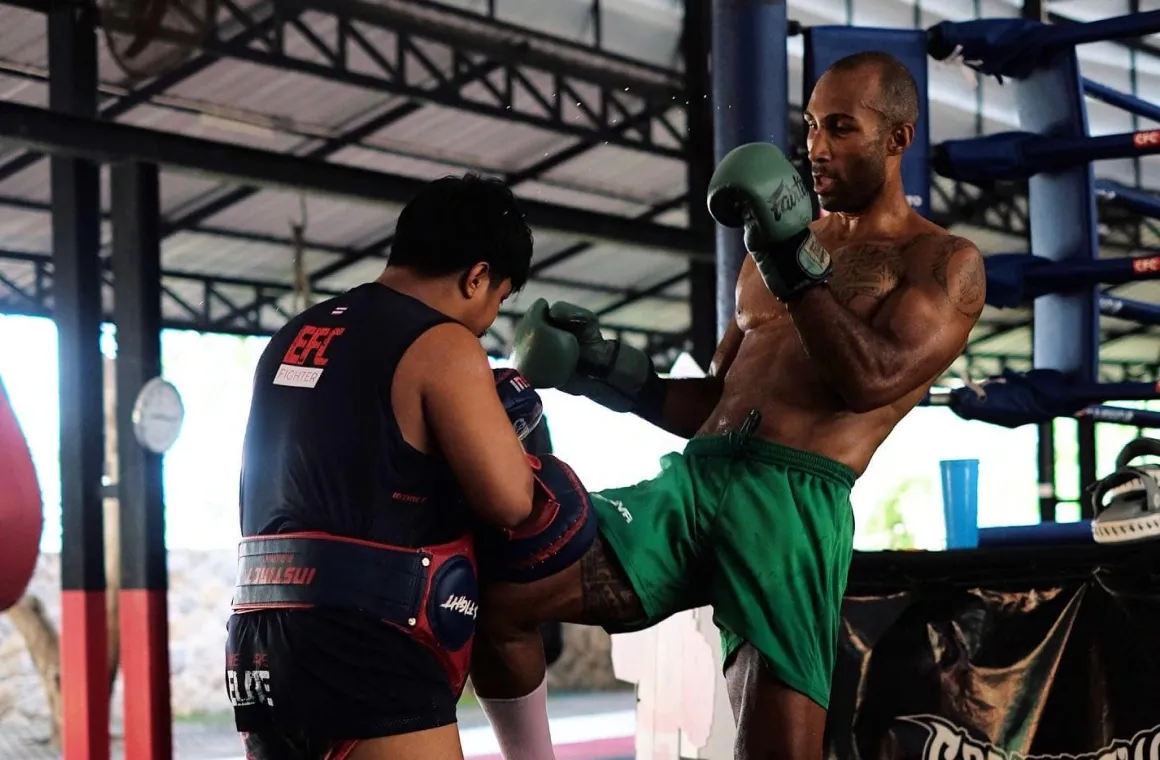
A premium combat sports academy offering Muay Thai, CrossFit, Hyrox, strength & conditioning and performance training with accommodation and DTV visa support.
Training: Muay Thai, CrossFit, Hyrox, Performance Training
Schedule: Mon–Sat
Muay Thai: 08:00–09:00 & 16:00–17:00
Kids: Wed 16:00 & Sat 10:00
Single Session: 535 THB
1 Month Package: 29,425 THB
King of Muay Thai
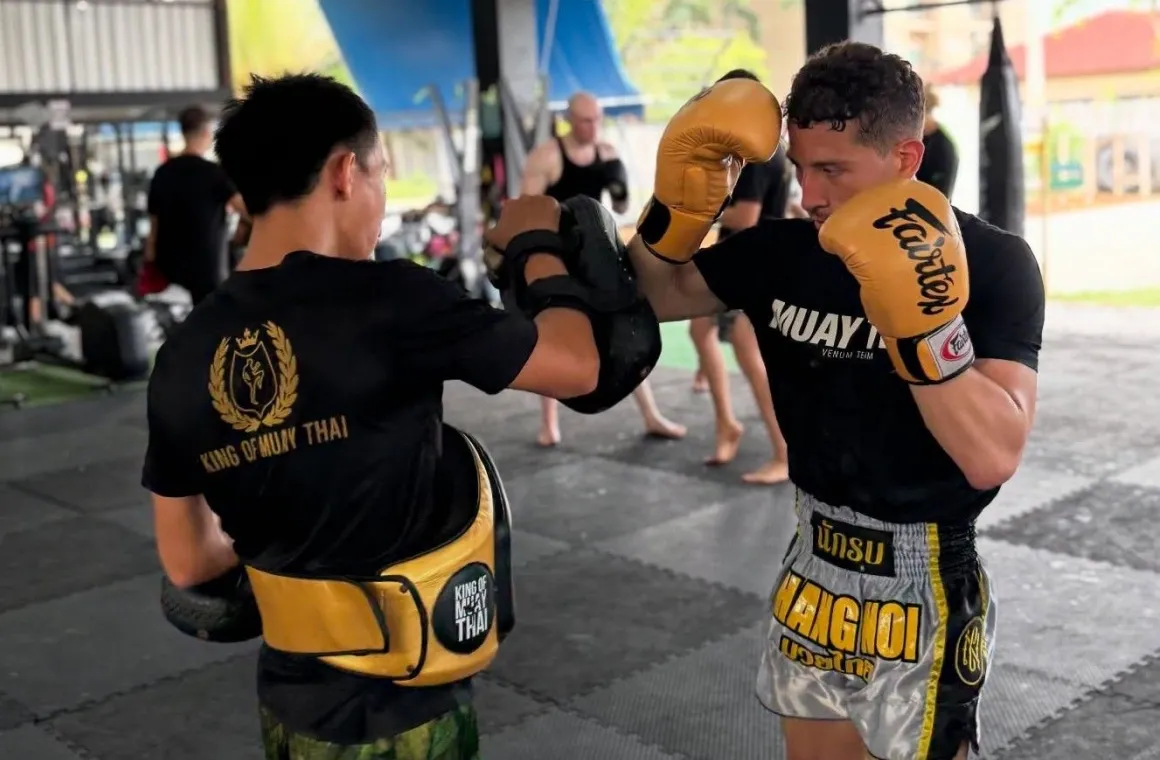
A traditional Muay Thai gym welcoming beginners through experienced practitioners, with group classes, private sessions and dedicated Kids Muay Thai training.
Private Training: Mon–Sat (08:00–19:00)
Group Classes: 09:00–11:00 & 16:00–18:00
Kids: Tue 16:00–17:30 & Sat 14:00–15:30
Single Session: 329 THB
Surat Thani (Koh Samui & Koh Phangan)
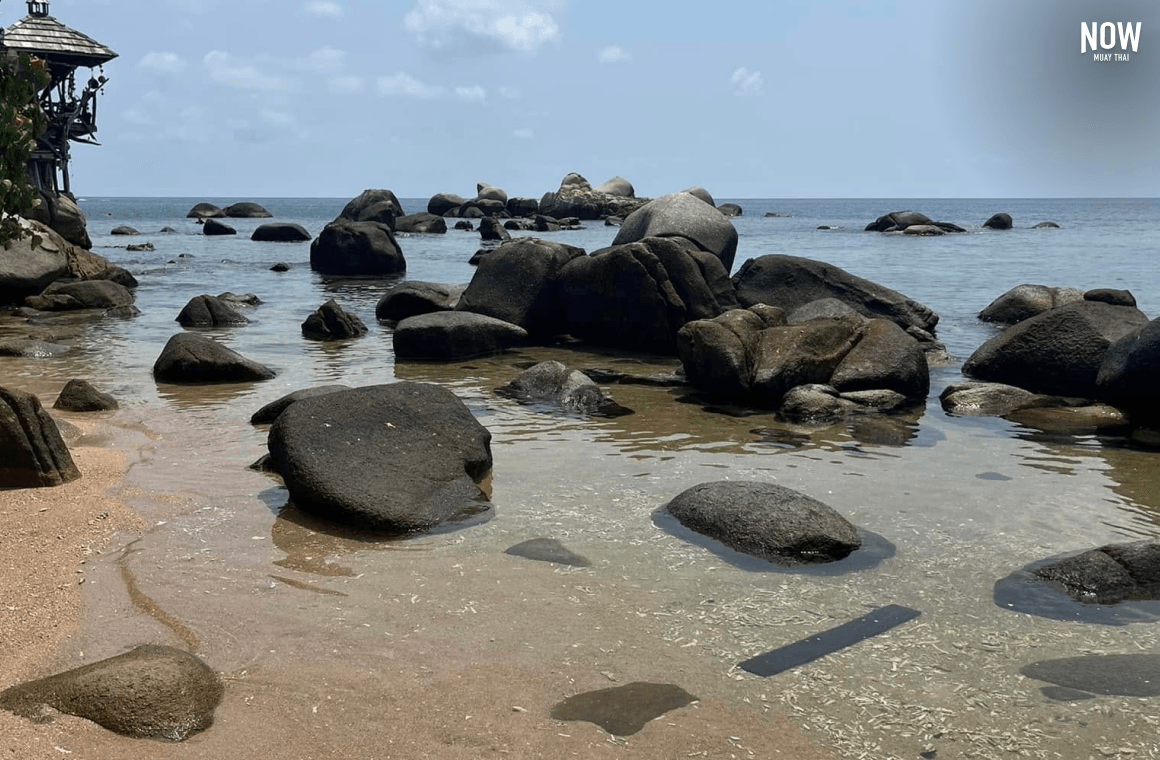 Beach in Surat Thani
Koh Samui is the most developed island in Surat Thani province and offers a balance between beautiful beaches, nature and modern conveniences. During the rainy season, the island usually sees short heavy showers followed by sunny periods, although rainfall can be stronger later in the season. With waterfalls, viewpoints, temples, markets, cafés and plenty of indoor activities, Koh Samui remains an enjoyable destination even when beach weather is not perfect.
Koh Phangan is one of Thailand's best island destinations during the rainy season thanks to its unique weather pattern. While Phuket, Krabi and many Andaman Coast beaches often experience frequent rain between July and September, Koh Phangan usually enjoys much drier weather, with its heaviest rainfall typically arriving later in the year between October and December.
Daytime temperatures remain warm at around 30–33°C, while nights stay comfortable at 26–28°C. Rain usually falls in short tropical showers during the late afternoon, evening or overnight, leaving plenty of sunshine for beach days, island hopping and Muay Thai training. Sea breezes help reduce the humidity, and the sea is often calmer than along Thailand's west coast during this period.
The rainy season transforms the island into a tropical paradise. Waterfalls flow at their strongest, the jungle becomes incredibly lush, and with fewer tourists than during peak season, you'll enjoy quieter beaches, lower accommodation prices and a much more relaxed atmosphere.
Best for:
Island life, Muay Thai training, snorkelling, waterfalls, yoga, digital nomads and travellers looking for one of Thailand's most reliable beach destinations during the rainy season.
Weather
26–33°C with warm temperatures throughout the year. Between July and September, Koh Phangan often experiences better weather than many islands on Thailand's Andaman Coast. Showers are usually brief and most mornings remain sunny, making it easy to enjoy outdoor activities before the afternoon rain arrives.
What to Expect
Although Koh Phangan is internationally known for the Full Moon Party, most of the island offers a completely different experience. Quiet beaches, jungle-covered hills, hidden viewpoints and traditional fishing villages make it one of Thailand's most relaxing islands. During the rainy season, the island feels even more peaceful as visitor numbers drop, while the waterfalls and tropical forests become greener than at any other time of year. It's an ideal destination if you want to combine Muay Thai training with beach life, nature and a slower pace of travel.
Top Attractions
- Bottle Beach
- Thong Nai Pan Beaches
- Koh Ma
- Phaeng Waterfall National Park
- Than Sadet Waterfall
- Zen Beach
- Amsterdam Bar Viewpoint
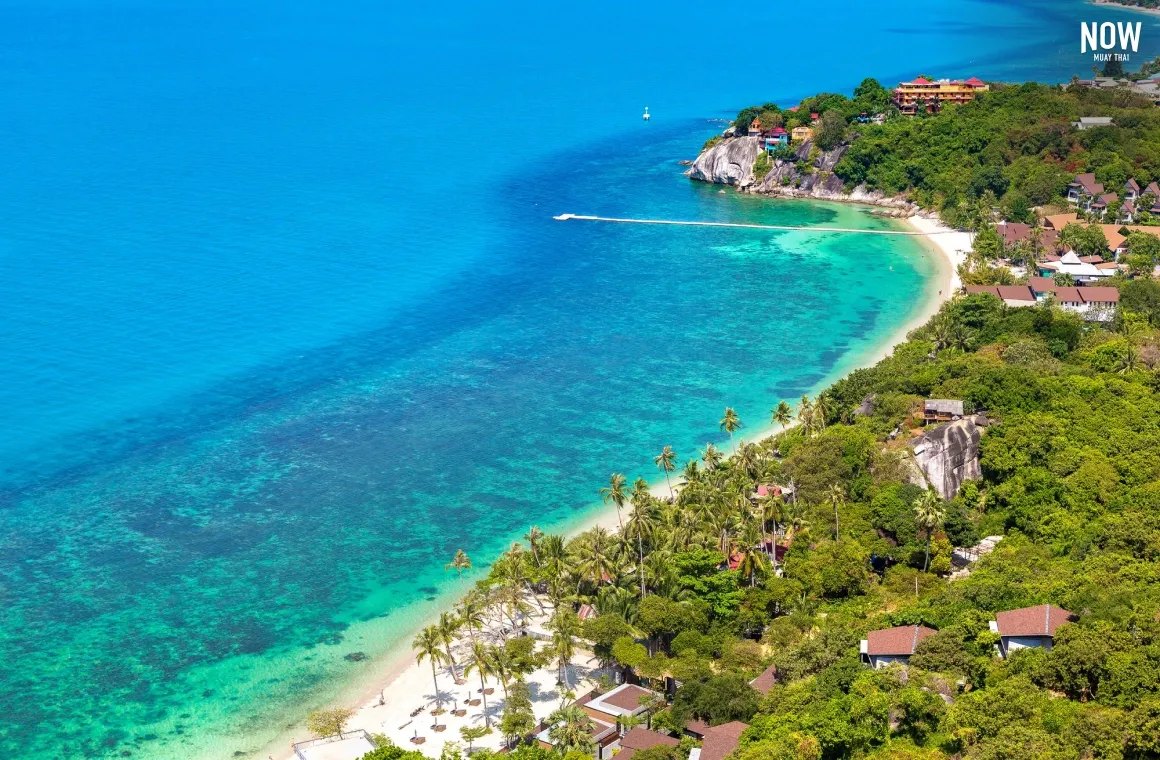 Koh Phangan
Things to Do in Koh Phangan
The rainy season is one of the best times to explore Phaeng Waterfall National Park. Seasonal waterfalls are flowing at their strongest, while the surrounding rainforest becomes vibrant green after regular tropical showers. Continue to Domesila Viewpoint for panoramic views across the island, where dramatic clouds often create spectacular scenery for photographers.
If you're looking for beautiful beaches, spend a day at Bottle Beach or the peaceful Thong Nai Pan beaches. Since July to September is generally drier than on Thailand's west coast, you'll often enjoy long sunny periods with only brief afternoon showers. Arriving early also gives you calmer seas and quieter beaches.
For snorkelling, head to Koh Ma, where the shallow coral reef is home to colourful tropical fish. Water visibility is often very good during this period, especially after several dry days. Bringing your own snorkelling equipment is worthwhile if you plan to explore multiple beaches around the island.
When the afternoon rain arrives, relax in one of Koh Phangan's cafés before heading out again once the skies clear. Tropical showers rarely last all day, and many visitors find that the cooler temperatures afterwards make sightseeing much more enjoyable.
Finish the day at Amsterdam Bar or Zen Beach, both of which are famous for spectacular sunsets whenever the weather clears after a storm. The combination of dramatic clouds and golden evening light often creates some of the island's most beautiful sunsets.
Practical Tips
- July to September is generally the best time to visit Koh Phangan during Thailand's rainy season, while October to December usually brings heavier rainfall.
- Train Muay Thai in the morning when the weather is usually at its driest.
- Rent a scooter only if you're confident riding one, as roads can become slippery after heavy showers.
- Carry a lightweight rain jacket or compact umbrella for short tropical storms.
- Wear sturdy footwear if visiting waterfalls or hiking to viewpoints, as jungle trails can become muddy.
- Book accommodation close to your gym to minimise travel during rainy afternoons.
- Don't let a rain shower change your plans completely—it's common for blue skies to return within a couple of hours.
- If you're visiting around the Full Moon Party, reserve accommodation well in advance even during the rainy season.
Recommended Gyms
Muay Thai Chinnarach (Koh Phangan)
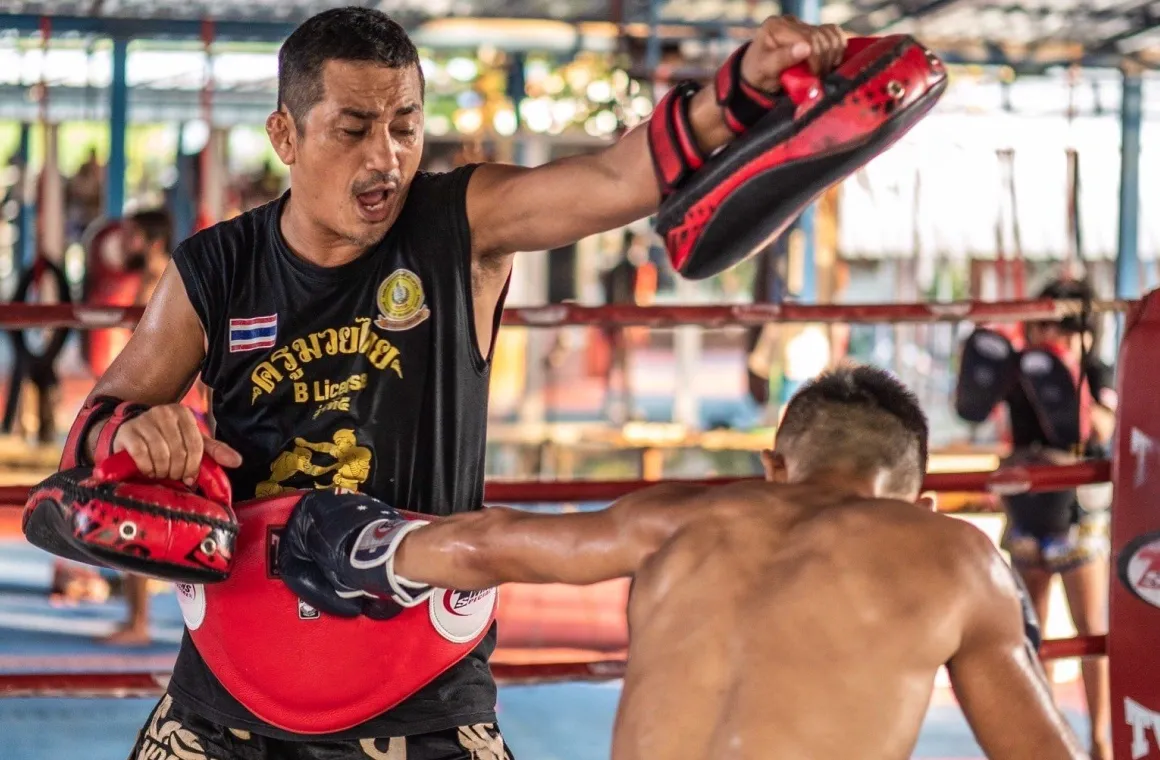
A well-established Muay Thai gym on Koh Phangan offering authentic training for beginners through experienced fighters. Sessions focus on technique, conditioning, pad work and traditional Muay Thai methods, with long-term training options available.
Training: Muay Thai (120 min), Kids Muay Thai
Schedule: Mon–Sat (08:00–10:00, 16:00–18:00)
Single Session : 400 THB
Venom Muay Thai
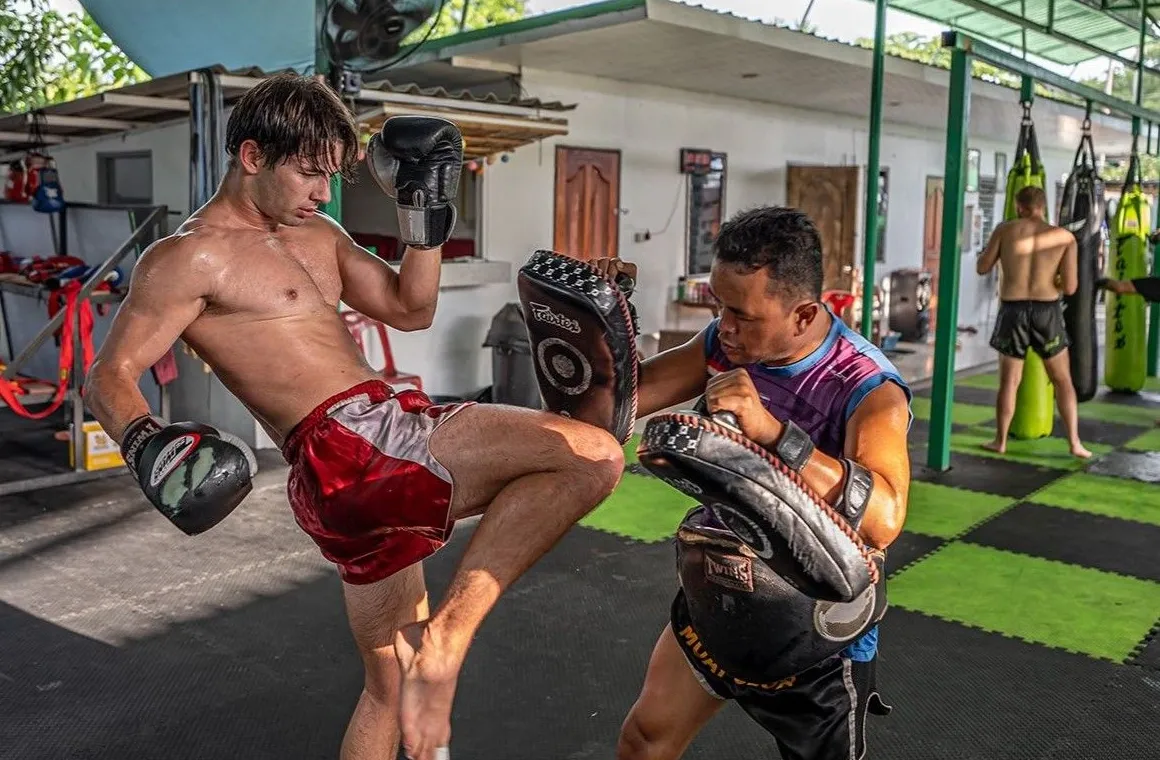
A tropical island Muay Thai camp offering authentic 120-minute training sessions for all experience levels. Ideal for travellers and beginners looking to combine serious training with the relaxed lifestyle of Koh Phangan.
Training: Muay Thai (120 min)
Schedule: Mon–Sat (08:00–10:00, 16:00–18:00)
Single Session : 400 THB
Accommodation: Available
Pattaya
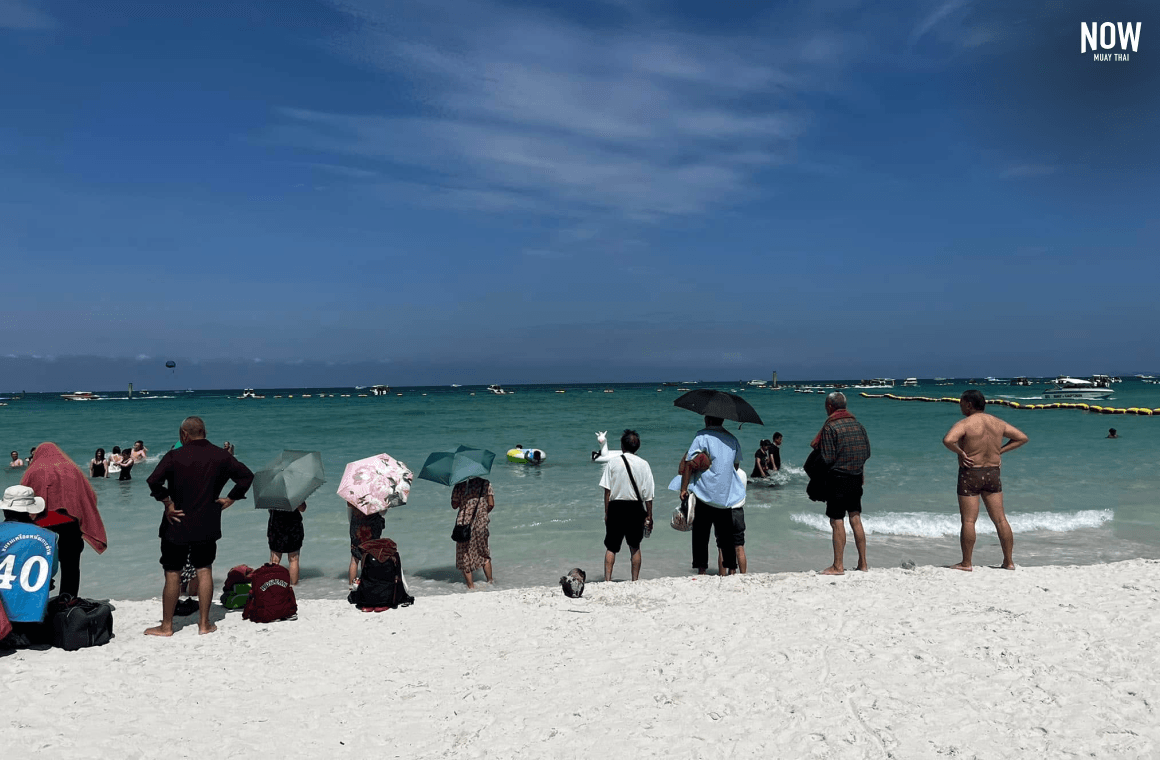 People with umbrellas for rain, standing at the sea shore at Koh Larn Beach
Pattaya is one of Thailand's most convenient seaside destinations during the rainy season. Located less than two hours from Bangkok, it experiences a climate similar to the capital, with daytime temperatures around 31–33°C and warm evenings of 27–28°C.
Rain usually arrives as short but heavy tropical showers during the afternoon or evening and rarely lasts all day. Between storms, there is often plenty of sunshine, making it easy to enjoy the beach, visit nearby islands or explore the city's attractions. Thanks to the sea breeze, Pattaya generally feels slightly cooler than Bangkok, especially after rainfall.
One of Pattaya's biggest advantages during the rainy season is its variety of attractions. If the weather changes, you can simply swap the beach for shopping malls, cafés, museums, aquariums or entertainment venues before heading back outside once the rain passes.
Best for:
Beachside Muay Thai training, weekend getaways, island day trips, shopping, nightlife, families and travellers looking for a beach destination with plenty of indoor attractions.
Weather
27–33°C throughout the rainy season. Showers usually develop during the afternoon or evening, while mornings are often sunny and ideal for outdoor activities. Tropical storms can occasionally bring stronger winds, but they rarely affect an entire day.
What to Expect
Pattaya is far more than Thailand's famous nightlife destination. During the rainy season, it becomes an excellent choice for travellers who want the flexibility to enjoy both outdoor and indoor activities. Spend the morning training Muay Thai or relaxing on the beach, visit nearby Koh Larn while the weather is clear, then explore shopping centres, cafés or cultural attractions if afternoon rain arrives. Compared with Thailand's peak tourist season, you'll also benefit from fewer crowds and more affordable accommodation.
Top Attractions
- Koh Larn (Coral Island)
- Sanctuary of Truth
- Jomtien Beach
- Terminal 21 Pattaya
- Central Pattaya
- Ripley's Believe It or Not!
- Nong Nooch Tropical Garden
- Khao Chi Chan (Buddha Mountain)
- Pattaya Viewpoint
- Lan Pho Naklua Seafood Market
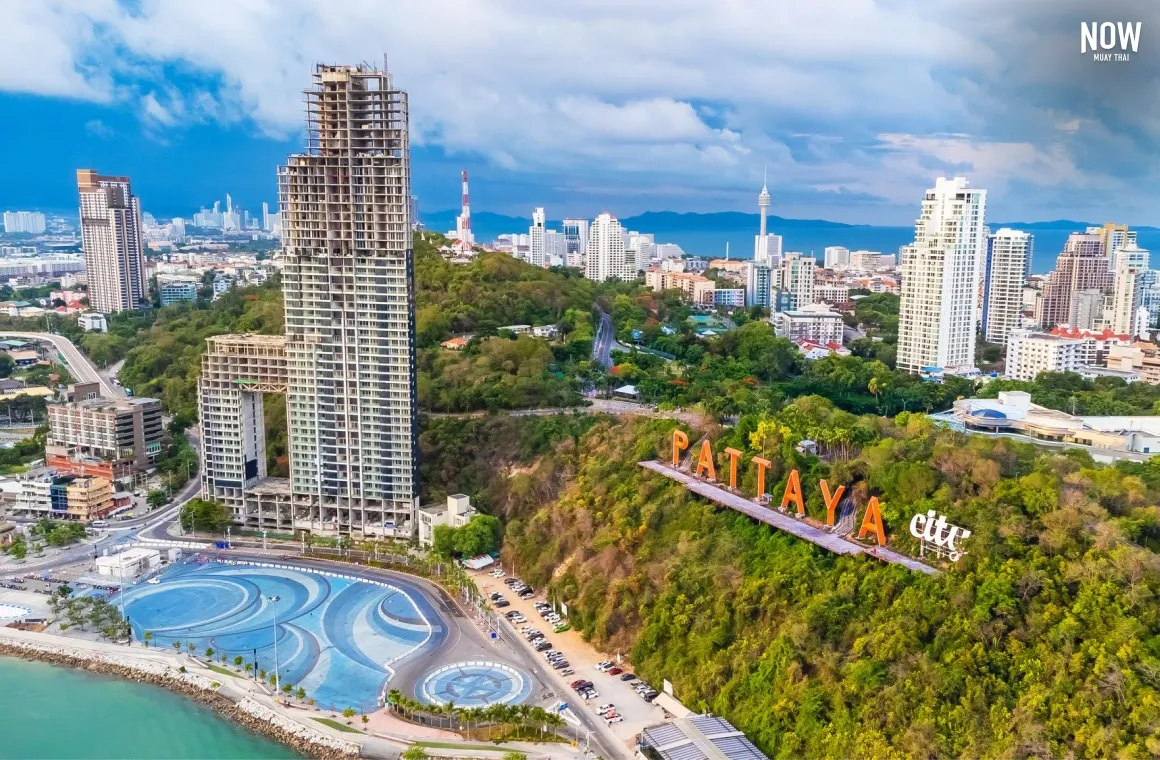 Panorama View over Pattaya
Things to Do in Pattaya
Start your day with a ferry ride to Koh Larn (Coral Island), where you'll find white-sand beaches, turquoise water and excellent snorkelling. Morning departures usually offer the calmest sea conditions before afternoon clouds begin to develop. Once on the island, rent a scooter or use a shared songthaew to visit quieter beaches such as Samae Beach and Tien Beach.
If rain interrupts your plans, Pattaya offers plenty of excellent indoor alternatives. Browse the international shops and restaurants at Terminal 21 Pattaya, explore Central Pattaya, or visit Ripley's Believe It or Not!, which combines interactive museums, attractions and entertainment under one roof.
When the skies clear, visit the magnificent Sanctuary of Truth, one of Thailand's most impressive architectural landmarks. Built entirely from hand-carved wood without the use of nails, the enormous temple looks especially beautiful after rainfall when the surrounding gardens become lush and the dramatic clouds create fantastic photo opportunities.
Nature lovers should also spend a few hours exploring Nong Nooch Tropical Garden. During the rainy season, the tropical gardens, orchids and landscaped grounds are at their greenest, making it one of the best times of year to visit.
Finish the evening at Lan Pho Naklua Seafood Market for freshly caught seafood, or head to Jomtien Beach to enjoy the cooler sea breeze after the afternoon rain has passed.
Practical Tips
- Train Muay Thai early in the morning when the weather is usually driest.
- Take the first ferry to Koh Larn for calmer seas and fewer visitors.
- Carry a lightweight umbrella or rain jacket for afternoon showers.
- Download Grab or Bolt for inexpensive transport around Pattaya.
- Visit Terminal 21 or Central Pattaya if heavy rain interrupts your outdoor plans.
- Roads can become slippery after tropical downpours, so ride carefully if renting a scooter.
- Stay near Jomtien Beach if you prefer a quieter atmosphere while remaining close to Pattaya's gyms and attractions.
- Don't cancel your plans because of a rain shower—it's common for the weather to clear again within a couple of hours.
Recommended Gym
Kombat Group Thailand
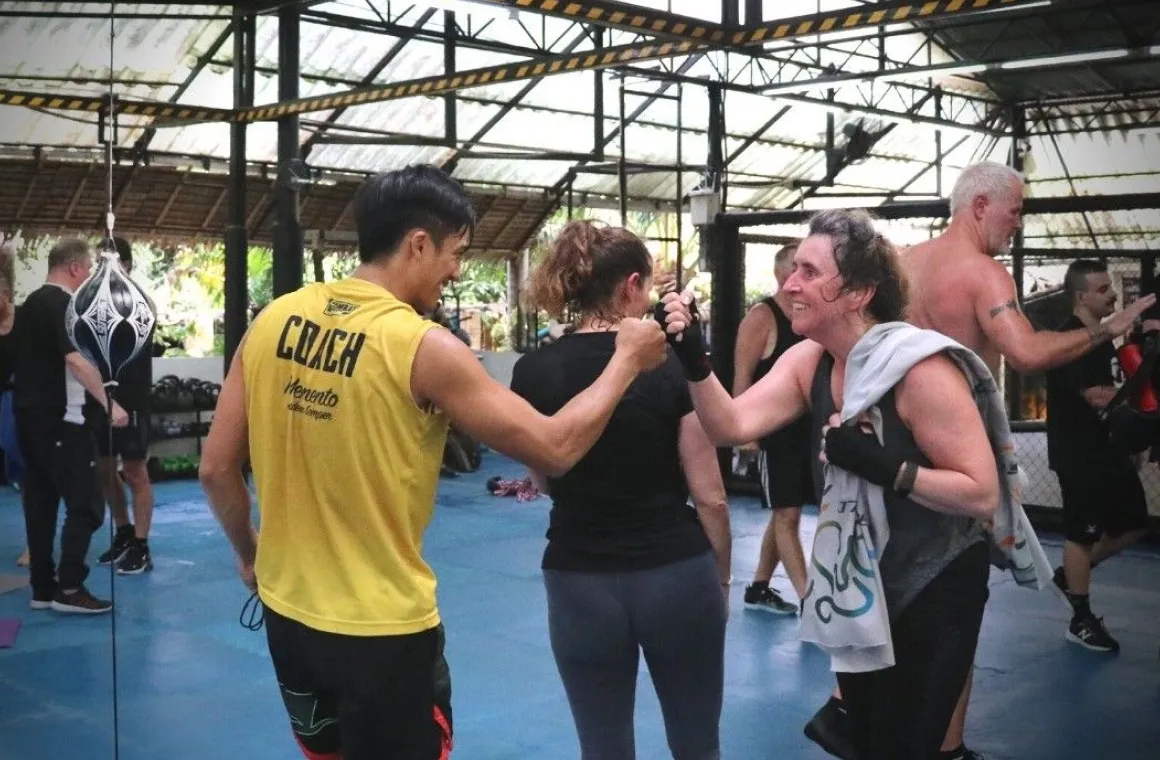
One of Pattaya's top destinations for beginners, Kombat Group Thailand offers a complete training experience with Muay Thai, Western Boxing, fitness, self-defence, and weight loss programmes. The gym is known for its welcoming atmosphere, professional coaching, and comprehensive training packages that include accommodation and meals, making it an excellent choice for long-term training holidays.
Training: Muay Thai, Fitness, Western Boxing, Self Defence, Weight Loss
Schedule: Mon–Sat (08:00–19:00)
Single Session : 749 THB
3-Month Package (Accommodation + Meals + Training) : 239,573 THB
More Great Options:
Venum Training Camp

World-class training facility offering Muay Thai, MMA, BJJ, grappling, boxing, fitness, and kids’ classes for all levels and families.
Battle Conquer Gym Pattaya
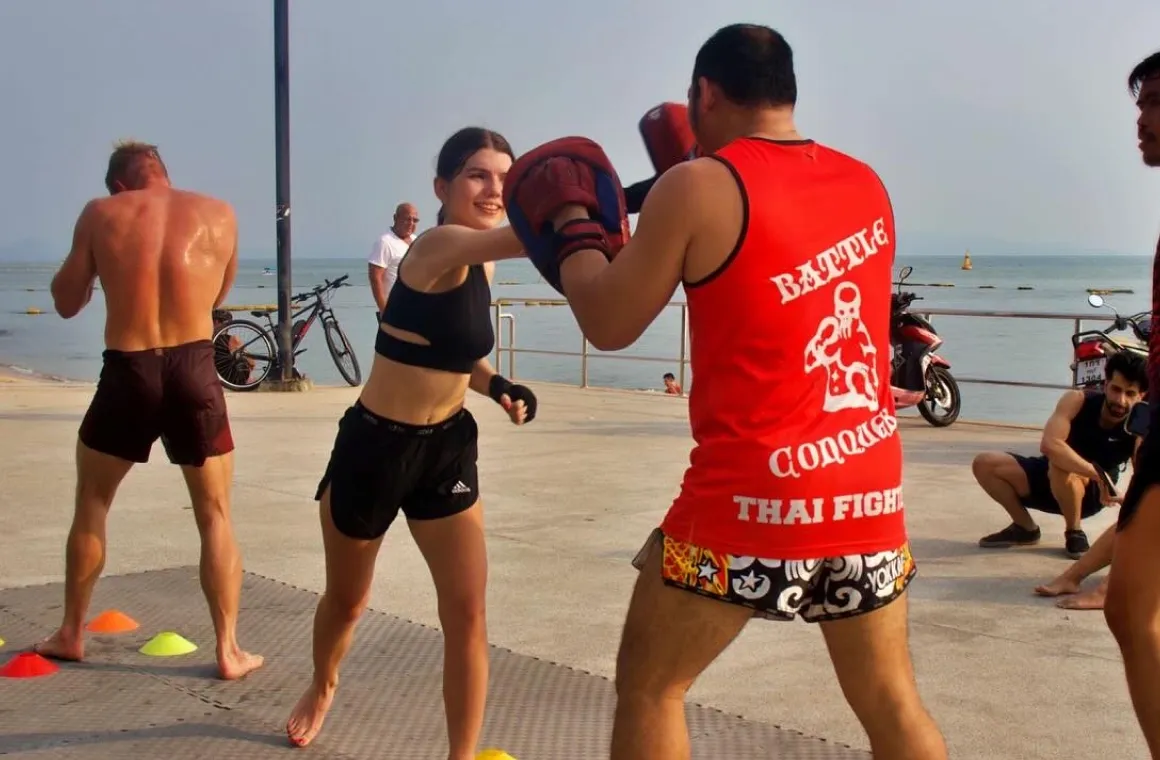
Specialises in authentic Muay Thai and Western Boxing with women-only classes and a welcoming international environment for all skill levels.
Best mountain destinations
This is actually the season when northern Thailand looks its most beautiful. Instead of the smoky skies of March, you'll find emerald-green rice terraces, misty mountains, flowing waterfalls, and cooler temperatures.Chiang Mai
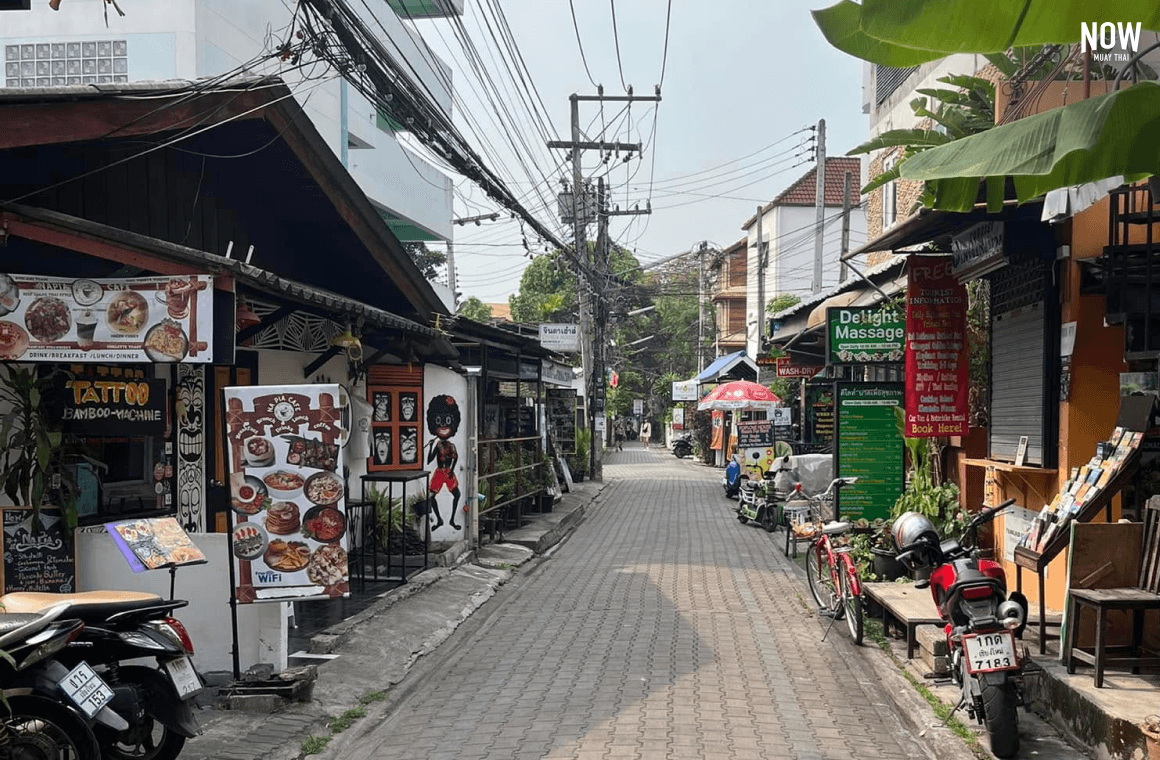 Chiang Mai Downtown
Chiang Mai is one of the best rainy season destinations in Thailand. As the capital of northern Muay Thai culture, it becomes especially beautiful during the green season, when mountains are covered in mist, forests turn vibrant green, waterfalls become more powerful, and rice fields transform into bright green landscapes.
The mountain location makes Chiang Mai's weather more comfortable than many southern destinations. Daytime temperatures usually stay around 29–32°C, while nights are cooler at around 23–25°C. Rain usually follows a predictable pattern: mornings are often sunny, clouds build during the afternoon, and short heavy showers arrive later in the day, usually lasting around one to two hours.
The rain brings fresh mountain air and creates some of the most beautiful scenery of the year. The wind is usually a cool and refreshing mountain breeze rather than strong storm winds. After rainfall, the air feels cleaner, waterfalls become spectacular, and the surrounding countryside looks completely transformed.
Best for:
Muay Thai training, nature lovers, mountain escapes, digital nomads, travellers looking for cooler weather, temples, cafés and a slower pace of life.Weather
23–32°C with cooler temperatures than central and southern Thailand. During the rainy season (May–October), mornings are often clear and sunny, while afternoon showers usually last one to two hours. The mountains create a cooler atmosphere, especially in the evenings and early mornings.What to Expect
Chiang Mai is one of Thailand's most rewarding rainy season destinations. While some beach destinations can experience rough seas and unpredictable weather during this period, Chiang Mai becomes greener and more scenic. The rain rarely stops activities for an entire day, and most travellers simply plan outdoor adventures during the morning before enjoying cafés, temples or local restaurants when showers arrive.The rainy season is also one of the best times to experience Chiang Mai's natural beauty. The mountains surrounding the city become covered with mist, waterfalls are at their strongest, and rice terraces around the countryside turn bright green. Tourist numbers are lower than during the cool season, making it easier to explore popular attractions without large crowds.
For Muay Thai travellers, the weather is ideal for training. The cooler temperatures compared to Bangkok or southern Thailand make intense sessions more comfortable, especially for visitors who are not used to Thailand's heat.
Top Attractions
- Doi Suthep Temple
- Doi Inthanon National Park
- Mae Rim countryside and rice fields
- Sticky Waterfalls (Bua Tong Waterfall)
- Chiang Mai Old City Temples
- Wat Chedi Luang
- Wat Phra Singh
- Sunday Walking Street Market
- Warorot Market
- Huay Tung Tao Lake
- Elephant sanctuaries
- Jungle cafés and mountain viewpoints
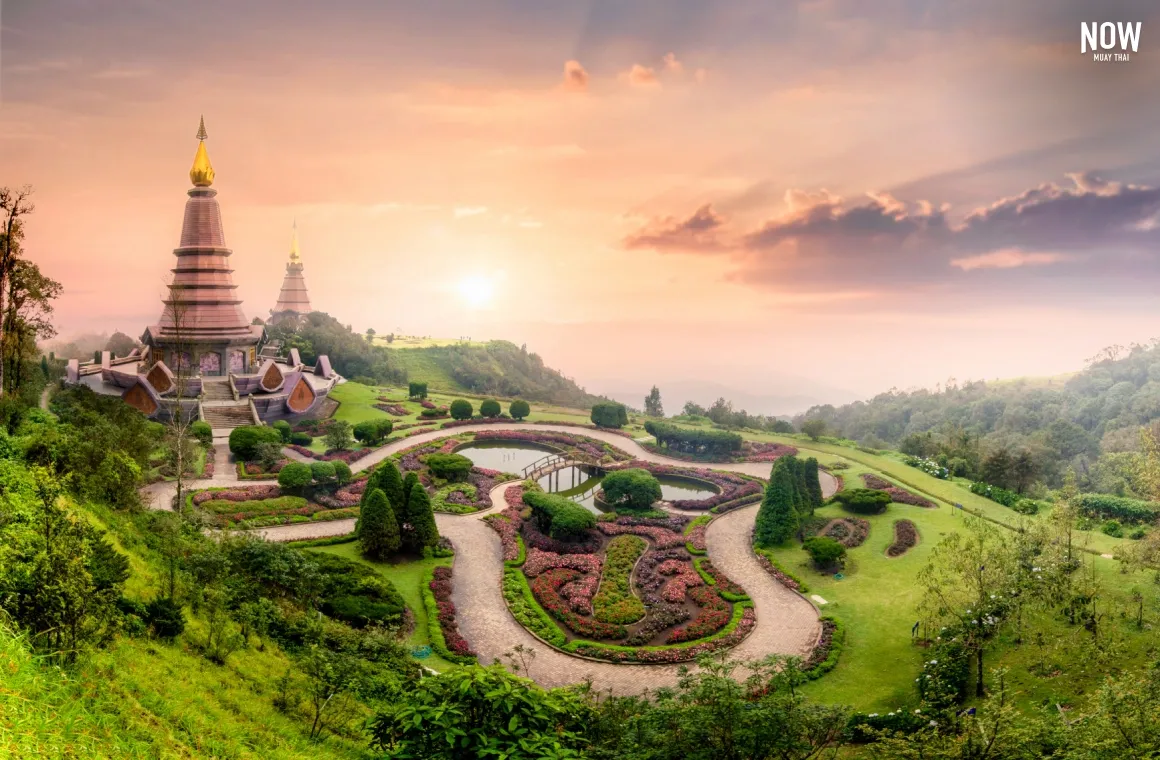 Temple in Chiang Mai
Things to Do in Chiang Mai
The rainy season is one of the best times to explore Chiang Mai's surrounding mountains. Visit Doi Suthep early in the morning when the mountain roads are covered in mist and enjoy panoramic views over the city. The cooler temperatures make hiking and sightseeing much more comfortable compared to the hot season.
Nature lovers should explore Doi Inthanon National Park, Thailand's highest mountain. During the rainy season, the waterfalls are at their most impressive, forests are incredibly green, and the cooler mountain climate provides a refreshing escape from the heat.
For a relaxing day, explore the countryside around Mae Rim. The area is famous for mountain views, rice terraces, cafés, waterfalls and peaceful roads surrounded by greenery. The rainy season is when the landscape is at its most photogenic, especially after rainfall when mist settles over the hills.
Chiang Mai is also one of Thailand's best café destinations. The rainy season atmosphere is perfect for spending an afternoon in a mountain café, enjoying local coffee while watching clouds move across the hills. The city has hundreds of cafés, many with views of forests, gardens or rice fields.
If the rain arrives in the afternoon, explore Chiang Mai's Old City temples, museums and markets. Wat Chedi Luang and Wat Phra Singh are easy to visit even during short showers, while the Sunday Walking Street Market is a great evening activity when the weather is dry.
For Muay Thai travellers, rainy season evenings are ideal for exploring the local food scene after training. Chiang Mai offers everything from traditional northern Thai dishes such as khao soi to modern restaurants and night markets.
Practical Tips
- Train in the morning whenever possible. Rain showers are more common during the afternoon and evening.
- Bring a lightweight rain jacket or compact umbrella for sudden showers.
- Pack comfortable shoes with good grip if you plan to visit waterfalls or mountain areas. Trails can become slippery after rain.
- Renting a scooter is popular in Chiang Mai, but be extra careful on mountain roads after rainfall.
- Bring a waterproof bag or phone pouch for outdoor trips.
- The evenings can feel cooler compared to Bangkok or southern Thailand, especially after rain, so a light jacket can be useful.
- Use Grab for transportation around the city, especially after heavy rain when roads can become wet and busy.
- Book mountain tours with flexible schedules, as heavy rainfall can occasionally affect viewpoints and hiking routes.
- The rainy season is a great time to find lower accommodation prices and fewer crowds at popular attractions.
Recommended Gym
Bangarang Muay Thai and Fitness Resort
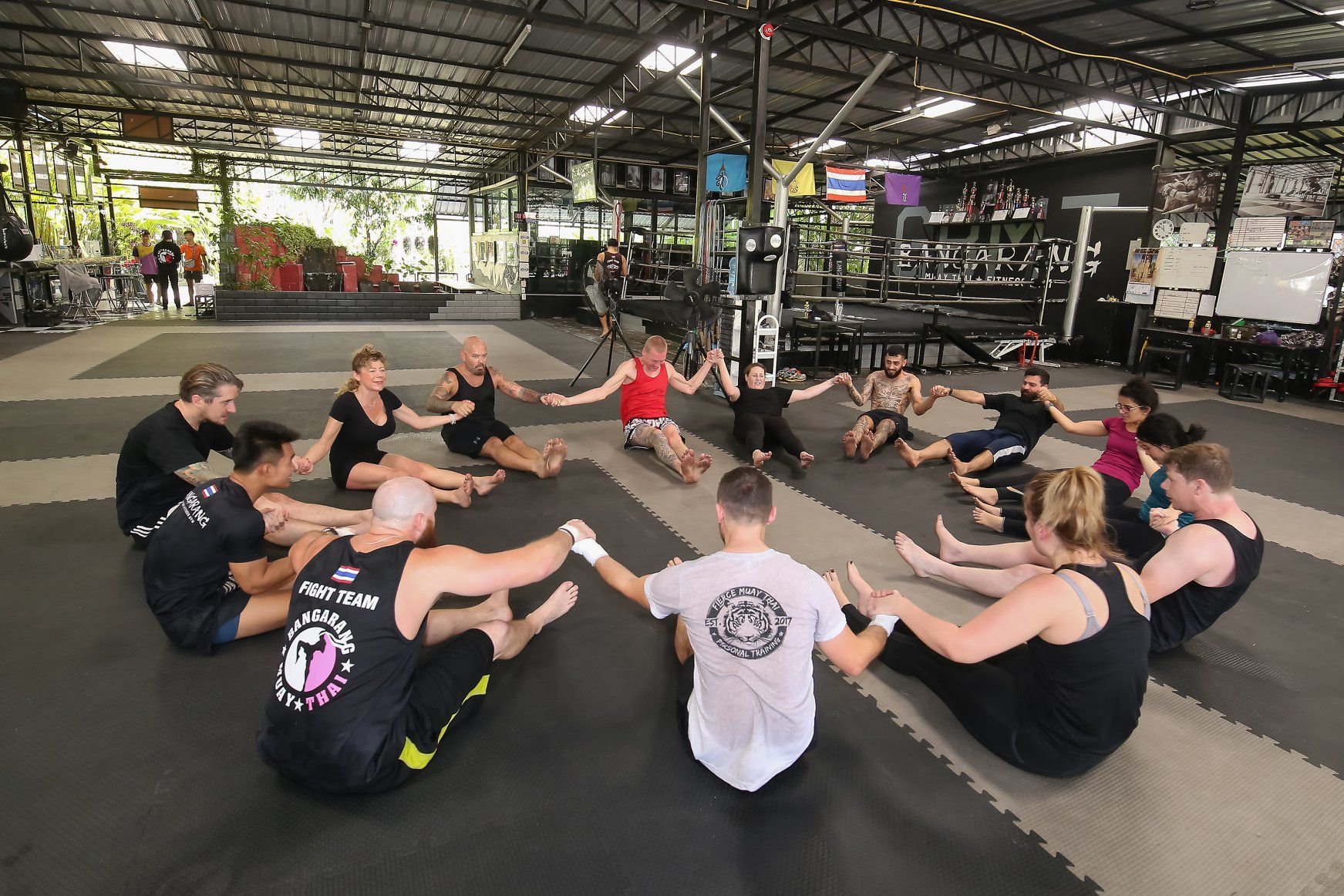
A complete Muay Thai training destination in Chiang Mai, perfect for travellers who want to combine training with accommodation and a comfortable long-term stay. The resort offers professional coaching for beginners, intermediate students and experienced fighters, with a relaxed atmosphere surrounded by northern Thailand's mountains.
Schedule:
Monday–Saturday: 10:30–12:00, 15:00–16:30
Sunday: 10:30–12:00
Single Muay Thai Class : 350 THB
2 Weeks Training + Accommodation Package : 17,700 THB
3 Days Deluxe Training Package + Accommodation, Meals & Massage : 11,550 THB
More Great Options:
Chiangmai JR Muaythai

Excellent for both group sessions and private technical refinement, with experienced trainers helping students improve their fundamentals, technique and fighting skills.
Chiang Mai Muay Thai Gym
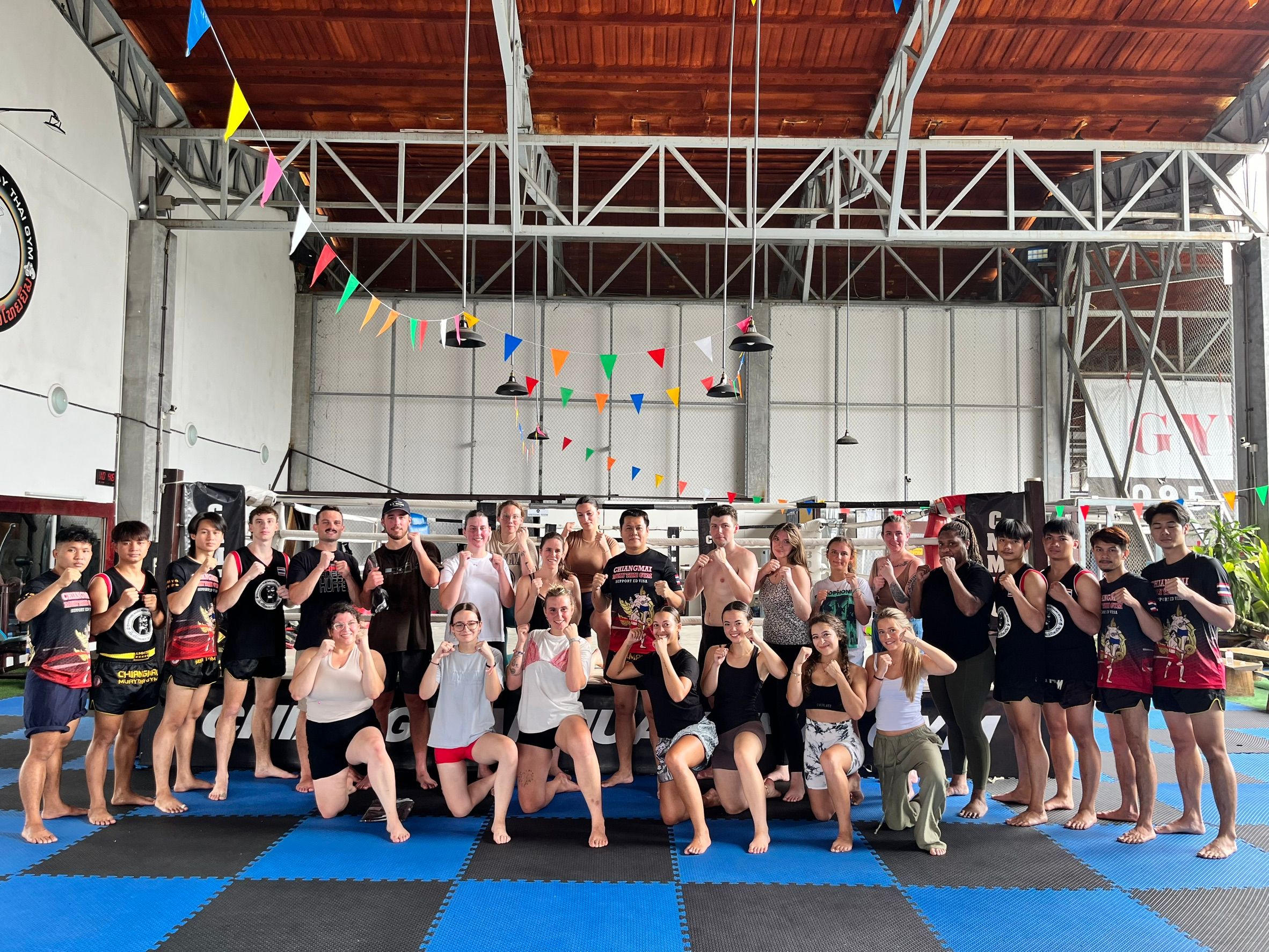
A well-regarded gym focused on authentic Muay Thai training, fight preparation and classes suitable for all experience levels.
CMA Muaythai Academy
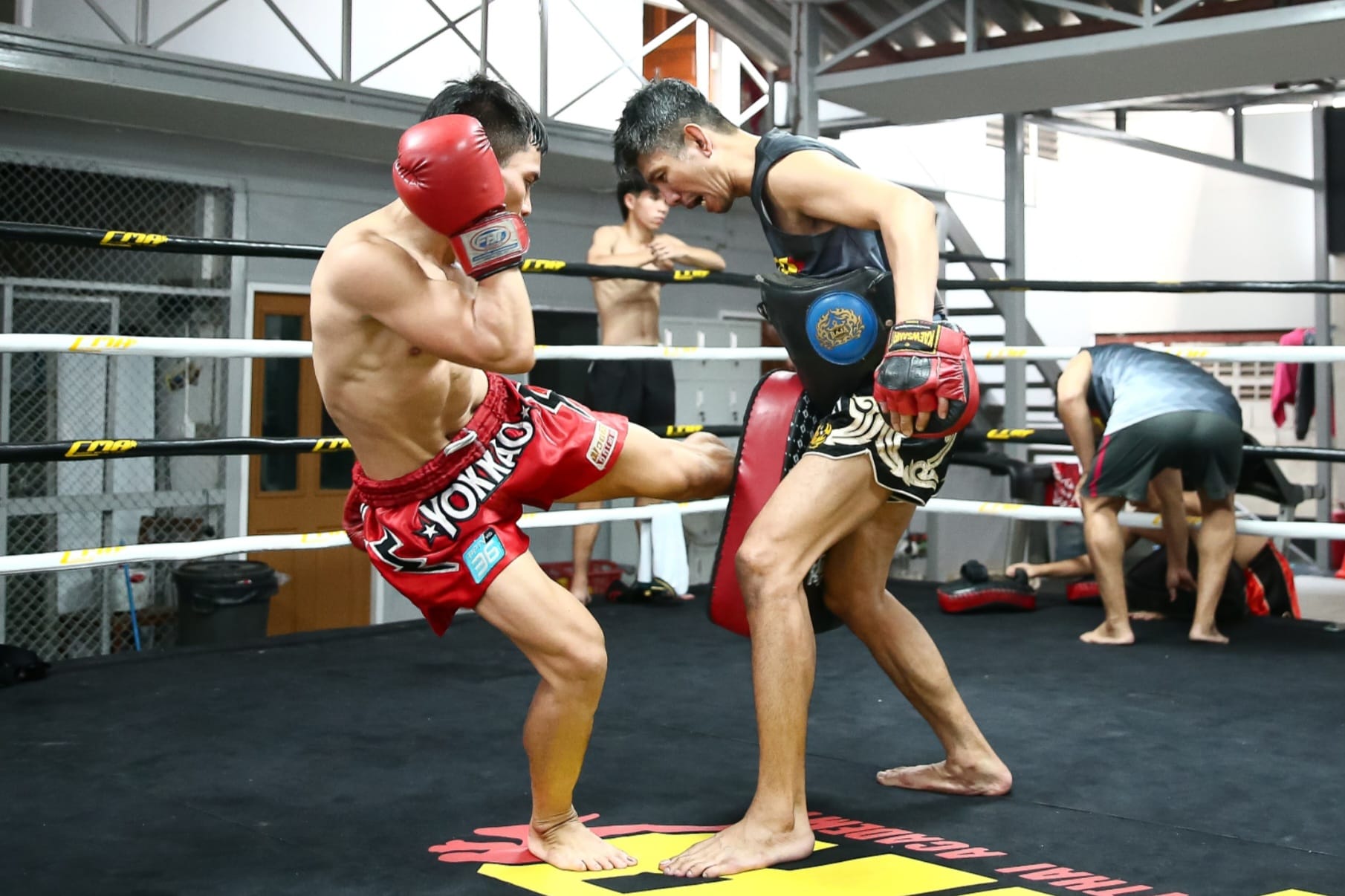
Known for high-quality instruction, making it a great choice for beginners learning the basics and experienced fighters looking to sharpen their skills.
Chiang Rai
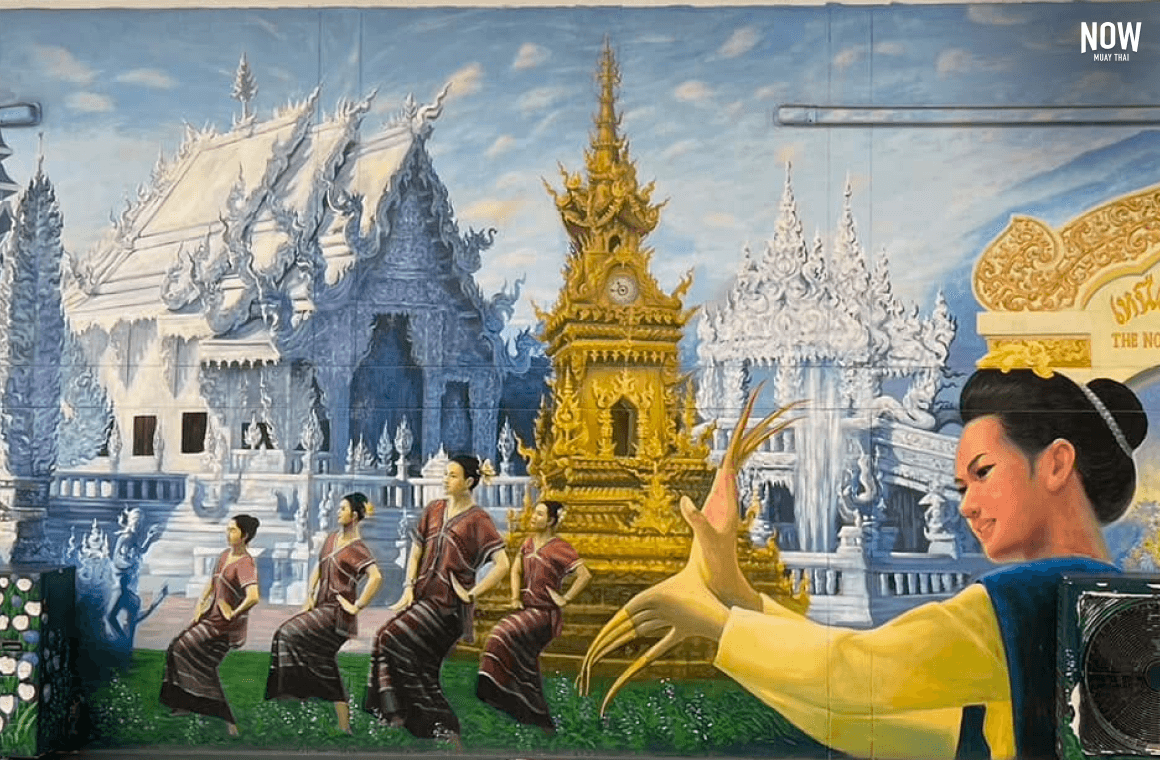 Street Art at Chiang Rai's Station
Chiang Rai is one of the most peaceful rainy season destinations in Thailand. Similar to Chiang Mai but quieter, the province is known for dramatic mountain scenery, tea plantations, unique temples and mist-covered landscapes. During the green season, the countryside becomes especially beautiful, with bright green rice fields, fresh forests and waterfalls surrounded by lush vegetation.
Rainy season weather in Chiang Rai is among the most comfortable in Thailand. Daytime temperatures usually stay around 28–31°C, while nights are cooler at around 22–24°C. Rain typically arrives as afternoon or evening showers, while mornings are often clear or covered with light mountain mist.
Unlike the humid heat of Bangkok or the tropical conditions of southern Thailand, Chiang Rai feels calmer and cooler. After rainfall, the air becomes fresh and the mountains often disappear into clouds and mist, creating some of the most scenic views of the year. A light jacket can be useful in the early morning, especially if you plan to explore higher mountain areas.
Best for:
Mountain scenery, scenic road trips, unique temples, tea plantations, nature lovers, slow travel and travellers looking for a quieter alternative to Chiang Mai.Weather
22–31°C during the rainy season (May–October). Mornings are often comfortable and clear, while afternoon showers are common. Rain usually lasts one to two hours rather than continuing throughout the entire day. Mountain areas can feel noticeably cooler after rainfall.What to Expect
Chiang Rai is quieter and less developed than Chiang Mai, making it ideal for travellers who enjoy nature, scenic drives and a slower pace of life. The province offers some of northern Thailand's most impressive landscapes, from misty mountains and tea plantations to peaceful countryside roads surrounded by rice fields.The rainy season is one of the best times to visit because the landscape is at its most vibrant. Forests become deep green, waterfalls are stronger, and the mountains often create a dramatic backdrop covered in clouds and mist.
Although Chiang Rai is smaller than Chiang Mai, it offers some of Thailand's most unique attractions. The famous White Temple, Blue Temple and Black House showcase completely different styles of architecture and art, while the surrounding countryside provides endless opportunities for exploration.
For Muay Thai travellers, Chiang Rai is a great destination for a few days before or after training in Chiang Mai. It offers a relaxing change of pace, cooler weather and a chance to experience northern Thailand beyond the main tourist routes.
Top Attractions
- Wat Rong Khun (White Temple)
- Wat Rong Suea Ten (Blue Temple)
- Baan Dam Museum (Black House)
- Choui Fong Tea Plantation
- Singha Park
- Khun Korn Waterfall
- Golden Triangle
- Oub Kham Museum
- Lalitta Café
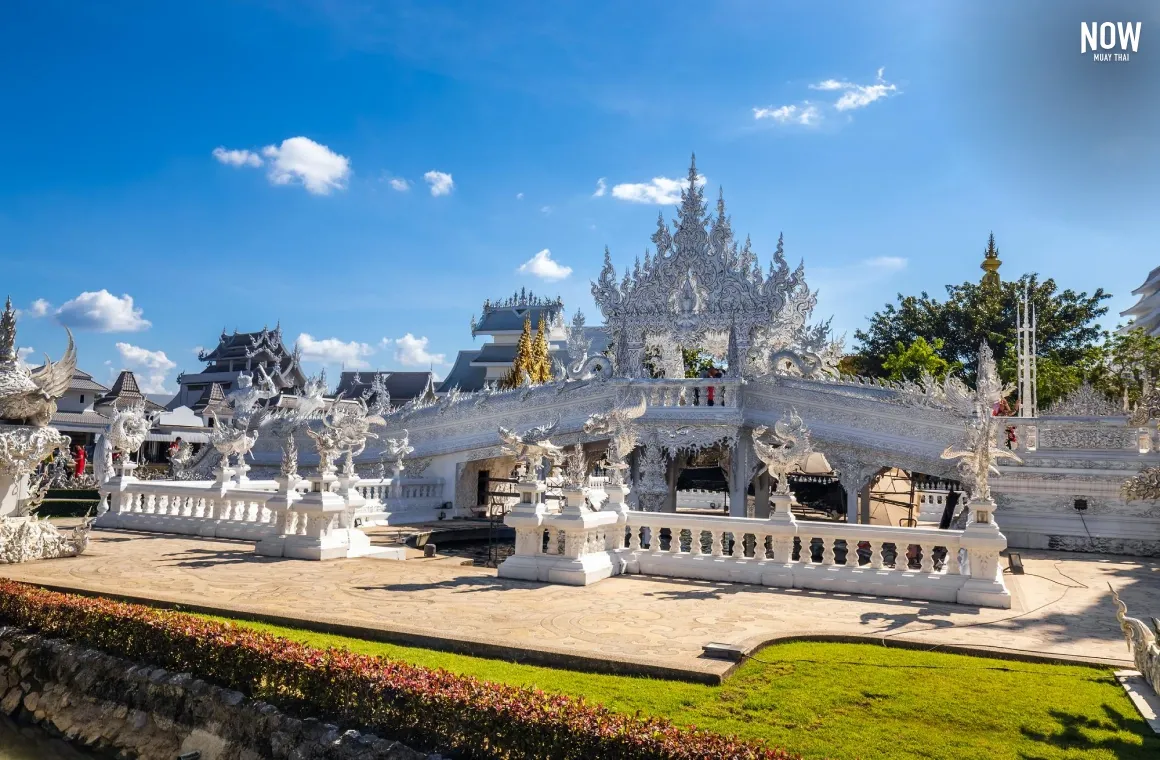 Wat Rong Khun (White Temple) in Chiang Rai
Things to Do in Chiang Rai
Chiang Rai is best explored slowly. Unlike larger cities where attractions are close together, many of the province's highlights are spread across the countryside. Renting a scooter or car gives you the freedom to explore mountain roads, tea plantations and quiet villages at your own pace.
The most famous attraction is Wat Rong Khun (White Temple), one of Thailand's most recognisable landmarks. The intricate white architecture and detailed artwork make it completely different from traditional Thai temples. Visit early in the morning to avoid tour groups and enjoy the cooler weather before afternoon showers arrive.
Nearby, the Blue Temple (Wat Rong Suea Ten) offers a completely different atmosphere with its deep blue colours and impressive interior artwork. Combine it with a visit to Baan Dam Museum (Black House), where traditional northern architecture is mixed with unusual contemporary artwork and unique collections.
For travellers interested in northern Thailand's history, the Oub Kham Museum is one of Chiang Rai's most interesting cultural attractions. The private collection focuses on the heritage of the ancient Lanna Kingdom and includes royal textiles, jewellery, ceremonial objects and historical artefacts. Guided visits provide much more context than simply walking through the exhibits.
Nature lovers should visit Choui Fong Tea Plantation, one of the most scenic locations in Chiang Rai. The rolling green hills covered with tea bushes create an incredible landscape, and the café overlooking the plantation is the perfect place to enjoy locally produced tea while taking in mountain views. The rainy season makes the surrounding hills especially green and photogenic.
For a refreshing outdoor adventure, visit Khun Korn Waterfall. The short forest trail leads to one of the tallest waterfalls in the province. The rainy season is one of the best times to visit because the waterfall is much stronger after regular rainfall.
If you want a relaxing afternoon activity, spend time at Lalitta Café. More than just a café, it is designed as a fantasy garden with waterfalls, tropical plants, ponds and mist effects. It feels closer to a botanical attraction than a typical coffee shop and is one of Chiang Rai's most unique photo spots.
Practical Tips
- The easiest way to explore Chiang Rai is by renting a scooter or car because attractions are spread across the province.
- Bring a light jacket for early mornings and mountain areas, especially after rainfall.
- Roads can become slippery after rain, so take extra care when riding a scooter through mountain areas.
- Visit popular attractions such as the White Temple early in the morning to avoid crowds and enjoy cooler temperatures.
- If driving to Choui Fong Tea Plantation or the Golden Triangle, allow extra time for scenic stops along the way.
- Do not rush your itinerary. Chiang Rai's charm comes from enjoying the countryside, cafés, viewpoints and peaceful atmosphere.
- Carry a waterproof bag for your phone and valuables during outdoor trips.
- The rainy season offers fewer tourists and lower accommodation prices compared with the cool season.
Recommended Gyms
MBT Muaythai Gym

A welcoming Muay Thai gym offering multiple daily sessions for beginners through advanced practitioners. Ideal for long-term training in Chiang Rai with DTV visa support.
Schedule: Mon–Sun (09:00–10:00, 10:00–11:00, 16:00–17:00, 17:00–18:00, 18:00–19:00)
Single Session: 300 THB
DTV Visa Support: Available
Tonkhar Muay Thai
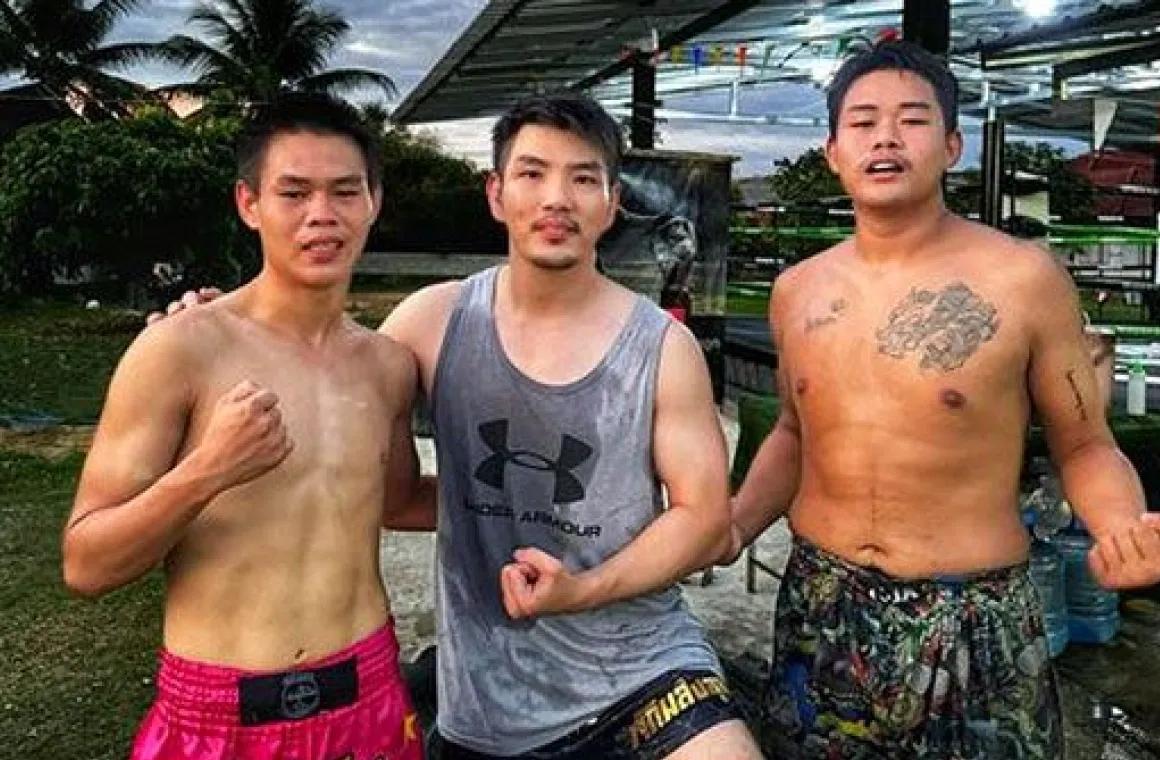
Train under experienced professional fighters in authentic Muay Thai classes focused on technique, conditioning and fight development. Private sessions are available throughout the day.
Group Classes: Mon–Sat (07:30–09:30 & 17:00–19:00)
Private Training: 10:00–16:00
Single Session: 250 THB
10 Sessions: 2,500 THB
Phetchabun
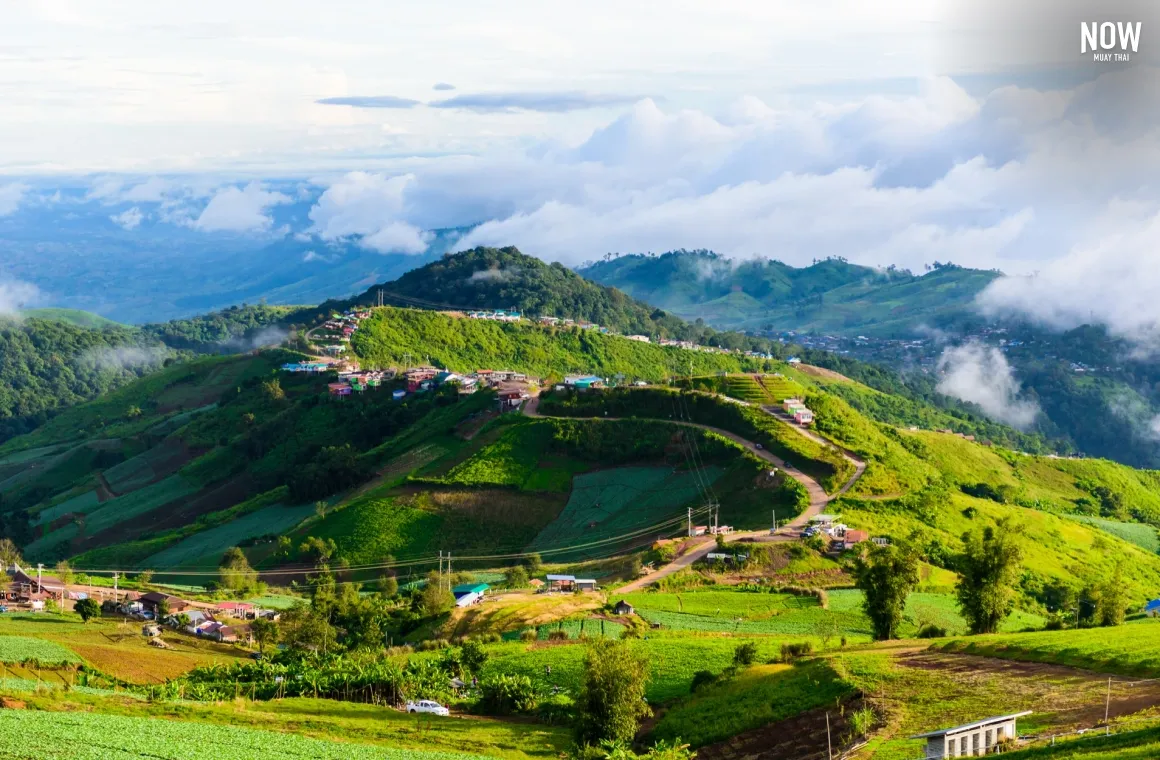 Green mountains in Phetchabun
Phetchabun is one of Thailand's best hidden nature escapes during the rainy season. Known for dramatic mountain landscapes, peaceful viewpoints and cooler weather, the province becomes especially beautiful when forests turn deep green, waterfalls are full, and mist settles over the hills.
Located between central and northern Thailand, Phetchabun offers a cooler alternative to Thailand's hotter cities. Daytime temperatures usually stay around 28–32°C, while nights are more comfortable at around 22–25°C. Rain usually arrives as afternoon or evening showers, bringing fresh mountain air and making the surrounding scenery even more impressive.
The wind is generally mild, with refreshing mountain breezes after rainfall rather than strong tropical storms. After a shower, the air feels cleaner, clouds often cover the mountain peaks, and the landscape becomes a perfect escape from busy city life.
Best for:
Mountain scenery, nature escapes, scenic road trips, waterfalls, camping, photography, temples and travellers looking for a peaceful destination away from Thailand's main tourist routes.Weather
22–32°C during the rainy season (May–October). Temperatures are cooler than Bangkok thanks to the province's mountain areas. Rain usually comes in the afternoon or evening and rarely lasts all day. After rainfall, the mountains become cooler and covered in mist.What to Expect
Phetchabun is one of Thailand's most underrated rainy season destinations. While many travellers focus on beaches or major cities, this province offers a completely different experience with green mountains, quiet roads, waterfalls and panoramic viewpoints.The rainy season is when Phetchabun's landscapes are at their most dramatic. The forests around Khao Kho become vibrant green, waterfalls become stronger, and clouds often create beautiful misty scenes across the mountains.
The province remains relatively unknown among international travellers, meaning attractions are usually peaceful and less crowded compared with more famous destinations. It is ideal for travellers who enjoy slow travel, nature, scenic drives and exploring places that feel authentic.
For Muay Thai travellers, Phetchabun makes a great short escape before or after training in Bangkok or Chiang Mai. The cooler mountain climate provides a refreshing break from Thailand's tropical heat.
Top Attractions
- Wat Phra That Pha Sorn Kaew
- Khao Kho
- Phu Thap Boek
- Si Thep Historical Park
- Nam Nao National Park
- Khao Kho Wind Farm
- Mountain cafés and viewpoints
- Waterfalls and nature trails
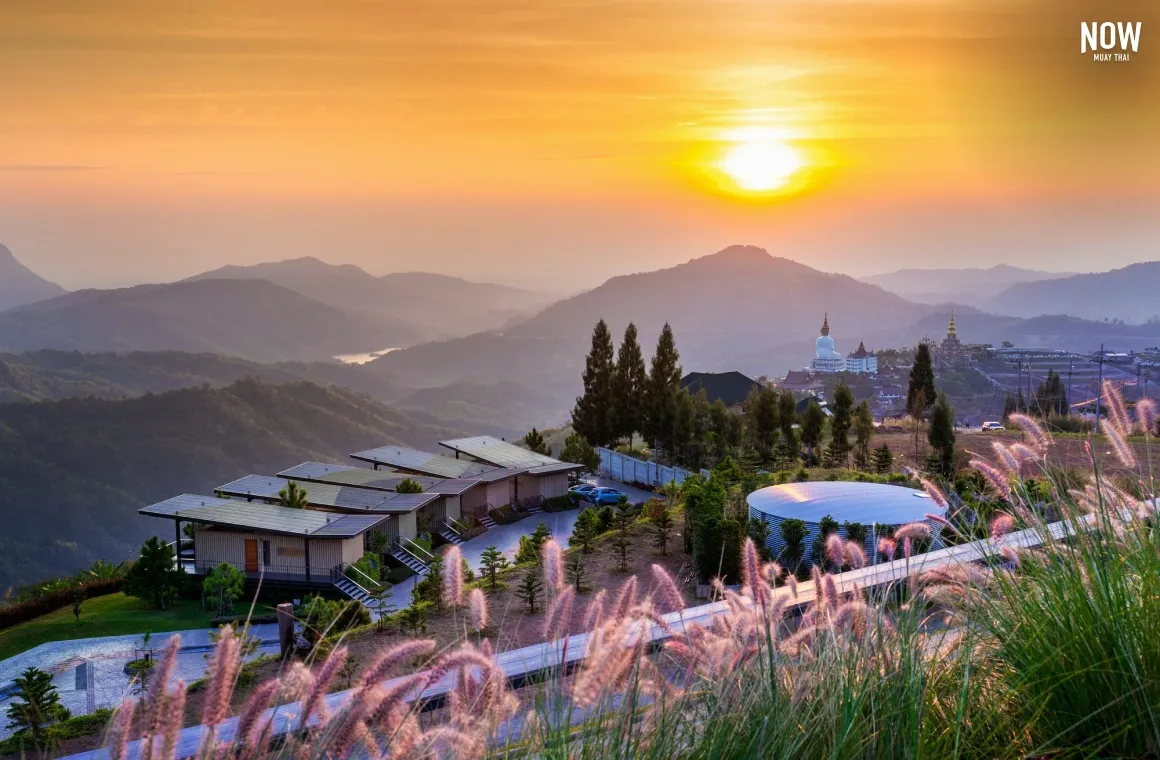 Sunrise over the mountains at Phetchabun
Things to Do in Phetchabun
The province's most famous attraction is Wat Phra That Pha Sorn Kaew, one of Thailand's most spectacular temples. Located on a mountain surrounded by green valleys, the temple is decorated with millions of colourful mosaic pieces that sparkle in the sunlight. During the rainy season, clouds often surround the mountains, creating an especially atmospheric view.
For some of the best scenery in the province, explore Khao Kho. This mountain area is famous for winding roads, viewpoints, cafés overlooking valleys and peaceful countryside. During the rainy season, mist often covers the hills after rainfall, creating a beautiful mountain atmosphere.
The Khao Kho Wind Farm is another popular stop, offering wide views over the surrounding landscape. The open mountain setting, fresh air and large wind turbines make it one of the province's most unique viewpoints.
Adventure seekers should visit Phu Thap Boek, one of the highest mountains in Phetchabun. The road to the summit passes through mountain scenery, farms and viewpoints. During the rainy season, the area is covered in lush vegetation and often surrounded by clouds.
Nature lovers can spend a day at Nam Nao National Park, where forests, waterfalls and hiking trails provide a peaceful outdoor experience. The cooler mountain environment makes walking and exploring much more comfortable compared with Thailand's lowland areas.
If you enjoy road trips, Phetchabun is best experienced without rushing. The roads between Khao Kho, Phu Thap Boek and the surrounding countryside pass small villages, local cafés, farms and viewpoints where you can stop and enjoy the scenery.
For history lovers, Si Thep Historical Park offers a completely different experience. This UNESCO World Heritage Site contains the remains of an ancient city dating back more than 1,500 years and provides insight into the history of central Thailand before the modern era.
Practical Tips
- Renting a car is the easiest way to explore Phetchabun, as many viewpoints, waterfalls and mountain attractions are spread across the province.
- Bring a light jacket, especially if staying overnight in Khao Kho or higher mountain areas. Temperatures can feel much cooler after rain.
- Start early when visiting viewpoints. Morning mist is more common before clouds disappear later in the day.
- Mountain roads can become slippery after rainfall, so drive carefully and avoid rushing.
- Fuel stations are less frequent in remote mountain areas, so fill up before long drives.
- Pack waterproof shoes or sandals if visiting waterfalls during the rainy season.
- Phetchabun is best suited for travellers who enjoy nature, photography and peaceful landscapes rather than nightlife or busy tourist areas.
Recommended Gym
Muay Thai Battle Conquer Gym

A complete training destination in Phetchabun combining Muay Thai, boxing, CrossFit, swimming and outdoor activities. Suitable for beginners through professional fighters, the gym offers a balanced approach to combat sports, fitness and conditioning. Accommodation packages and DTV visa support make it an excellent choice for long-term training away from Thailand's busiest tourist areas.
Training: Muay Thai, Boxing, CrossFit, Swimming, Hiking
Schedule: Mon–Sun (06:00–20:00)
1 Week Package (Accommodation + Training) : 15,800 THB
DTV Visa Support: Available
Pai
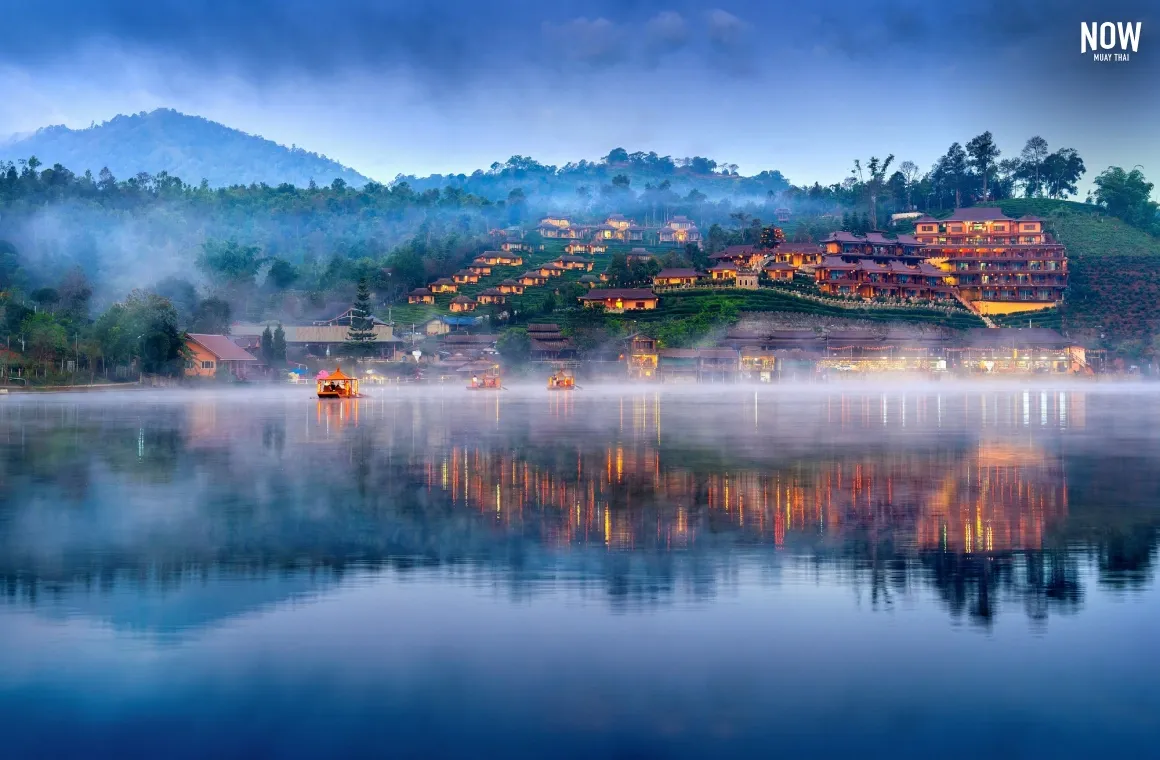 Beautiful foggy landscape of Pai village surrounded by lush green rice fields and mountains in Thailand
Pai is one of the most beautiful rainy season destinations in northern Thailand. Surrounded by mountains, forests and rice fields, the town becomes especially scenic during the green season when hills turn vibrant green, waterfalls become stronger and morning mist creates a peaceful mountain atmosphere.
The weather in Pai is more comfortable than many lower-elevation destinations in Thailand. Daytime temperatures usually stay around 27–31°C, while nights are cooler at around 21–24°C. Rain typically arrives in the afternoon or evening, leaving many mornings clear and perfect for exploring the countryside.
The mountain climate creates a refreshing atmosphere after rainfall. Winds are usually gentle, bringing cool fresh air rather than strong storms. The main consideration during the rainy season is transportation, as mountain roads can become slippery after heavy rain, especially for travellers riding scooters.
Best for:
Mountain scenery, backpackers, nature lovers, cafés, hot springs, slow travel, scenic road trips and travellers looking for a peaceful escape in northern Thailand.Weather
21–31°C during the rainy season (May–October). Mornings are often comfortable and clear, while afternoon showers are common. Rain usually lasts one to two hours, and the cooler mountain climate makes Pai feel much more pleasant than Thailand's hotter cities.What to Expect
Nestled in the mountains of Mae Hong Son province, Pai is a small town famous for its relaxed atmosphere, scenic countryside and winding mountain roads. During the rainy season, the surrounding landscape becomes one of the greenest in Thailand, with rice fields, forests and hills covered in lush vegetation.Although Pai has become popular with backpackers, it still offers plenty of peaceful places to escape the crowds. The town is surrounded by natural attractions, viewpoints, waterfalls, hot springs and cafés overlooking the mountains.
The rainy season is a particularly beautiful time to visit because the countryside feels alive. Morning mist often covers the valleys, waterfalls are stronger after rainfall, and the cooler temperatures make outdoor activities much more enjoyable.
For Muay Thai travellers, Pai is a great place to relax after intensive training in Chiang Mai. It offers a slower pace, fresh mountain air and a chance to experience a completely different side of northern Thailand.
Top Attractions
- Pai Canyon
- Bamboo Bridge (Boon Ko Ku So)
- Tha Pai Hot Springs
- Mo Paeng Waterfall
- Yun Lai Viewpoint
- Pai Walking Street
- Land Split
- Rice fields and countryside cafés
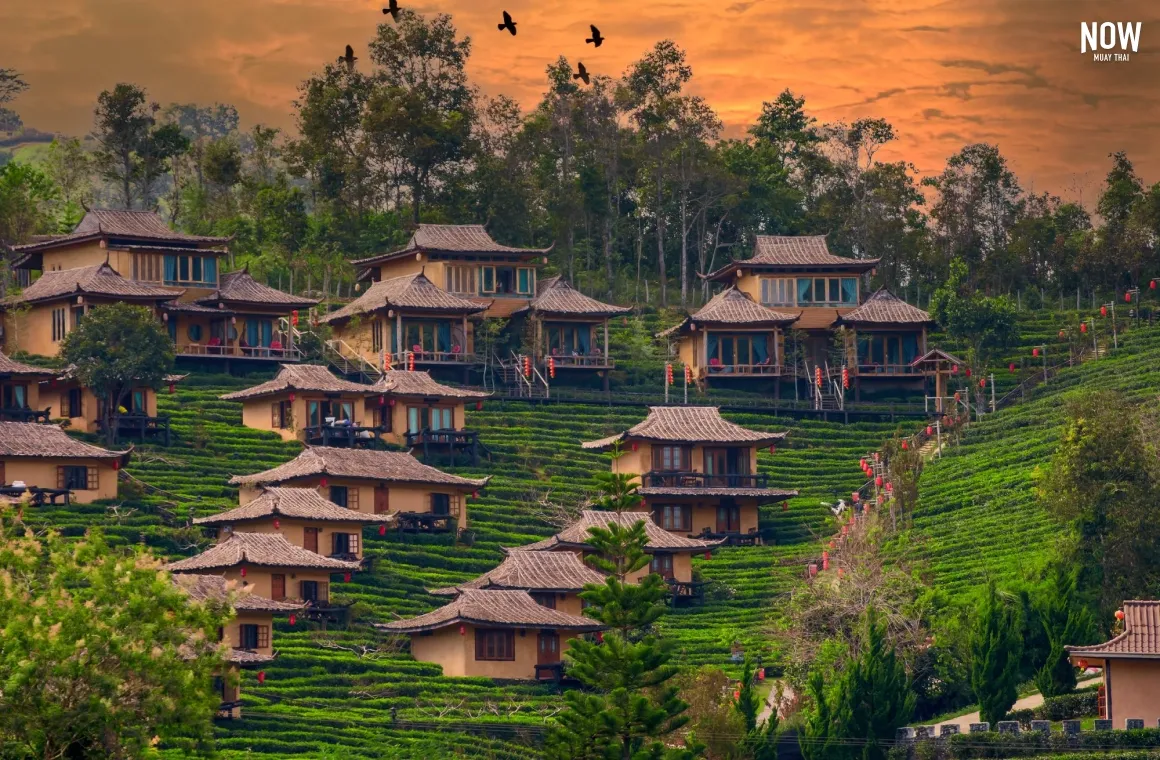 Mae Hong Son
Things to Do in Pai
One of Pai's most famous viewpoints is Pai Canyon. While many visitors arrive for sunset, the early morning is often the best time to visit during the rainy season. The cooler temperatures, softer light and occasional mist create a beautiful atmosphere, and the trails are usually much quieter. Wear shoes with good grip, as some sections can become slippery after rain.
A short drive from town, the Bamboo Bridge (Boon Ko Ku So) offers one of Pai's most peaceful experiences. The long wooden walkway crosses rice fields towards a small temple, with mountain views surrounding the area. During the rainy season, the fields are bright green and morning mist often covers the valley.
For a relaxing afternoon, visit Tha Pai Hot Springs. Surrounded by forest, the natural hot pools are a perfect place to relax after hiking, exploring or a hard Muay Thai training session. Visiting earlier in the day or on weekdays provides a quieter experience.
Another unique attraction is the Land Split, where a natural crack created by an earthquake transformed a local farmer's land. Today, visitors can explore the area and enjoy homemade roselle juice, dried fruit and local snacks while supporting the family through donations.
Nature lovers should also explore Mo Paeng Waterfall, especially during the rainy season when the water flow is stronger. The waterfall is easy to reach and makes a refreshing stop during a countryside scooter trip.
In the evening, visit Pai Walking Street, where the town comes alive with food stalls, handmade crafts and live music. It is one of the best places to try northern Thai dishes, local snacks and fresh fruit shakes while enjoying Pai's relaxed atmosphere.
Practical Tips
- The road from Chiang Mai to Pai has more than 700 curves. If you experience motion sickness, prepare medication before the journey.
- Renting a scooter is the easiest way to explore Pai, but only ride if you are confident on mountain roads, especially after rainfall.
- Wear proper footwear when visiting viewpoints and waterfalls, as trails can become muddy and slippery during the rainy season.
- Bring a light jacket for evenings and early mornings. Mountain temperatures can feel cool after rain.
- Fuel stations become less frequent outside Pai town, so fill up before exploring remote areas.
- Do not spend all your time in the town centre. Some of Pai's best cafés, viewpoints and natural attractions are located in the surrounding countryside.
- Allow extra travel time during rainy weather, as mountain roads can become slower and visibility may decrease.
- Pai is best enjoyed slowly. Leave space in your itinerary for spontaneous stops at viewpoints, cafés and small villages.
Recommended Gym
Hongthong Muaythai Gym Pai
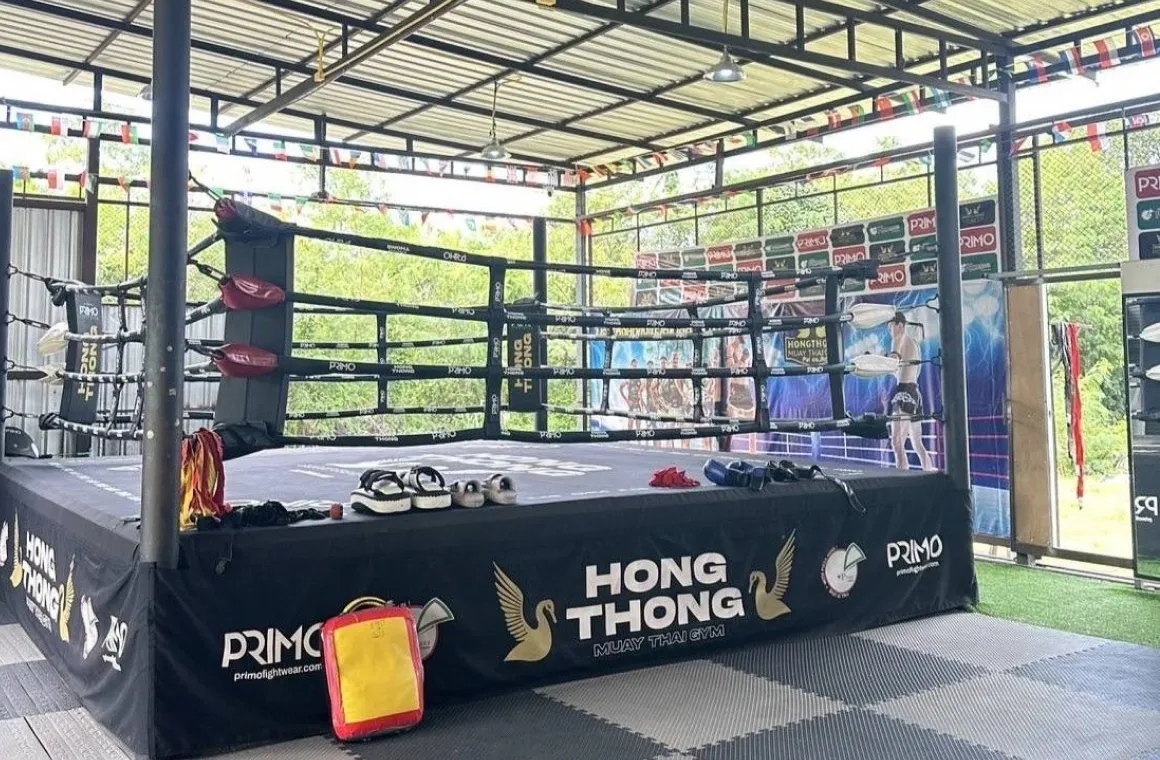
Currently closed for renovation. Once reopened, this gym will offer the same authentic Muay Thai experience associated with the Hongthong name, welcoming both beginners and experienced practitioners in the peaceful mountain setting of Pai. It is designed for travellers seeking traditional Muay Thai training while enjoying the relaxed atmosphere and natural beauty of northern Thailand.
Best For: All Experience Levels (Once Reopened)
Location: Pai, Mae Hong Son
Best for nature
Korat (Nakhon Ratchasima)
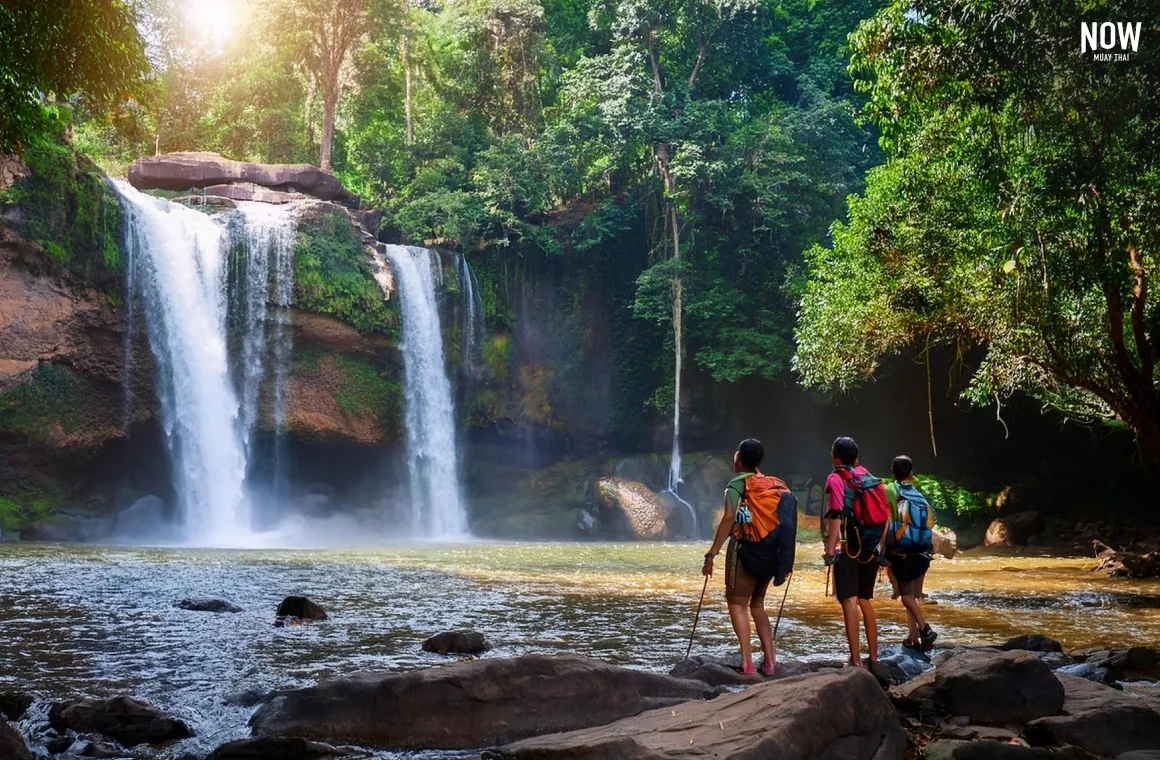 Khao Yai National Park
Korat is an excellent rainy season destination for travellers who want to explore nature, history and authentic northeastern Thailand. As the gateway to the Isaan region, Nakhon Ratchasima offers a mix of national parks, ancient temples, local food and scenic countryside.
During the rainy season, nearby Khao Yai National Park becomes especially beautiful. Forests turn deep green, waterfalls reach their strongest flow, and the cooler, wetter weather creates ideal conditions for exploring nature. While some hiking trails may occasionally close after heavy rainfall, most attractions remain accessible.
Korat has a warmer climate than northern Thailand, with daytime temperatures usually around 30–33°C and nights around 24–26°C. Rain usually arrives as short tropical storms in the afternoon or evening rather than continuous rainfall. The open landscapes around the province create more noticeable breezes compared with dense urban areas such as Bangkok.
Best for:
National parks, waterfalls, wildlife, Khmer history, local food, road trips, vineyards and travellers looking to experience authentic Isaan culture.Weather
24–33°C during the rainy season (May–October). Days remain warm, but afternoon showers bring cooler air and refresh the landscape. Rain usually lasts one to two hours, leaving plenty of time for sightseeing and outdoor activities.What to Expect
Often known simply as Korat, Nakhon Ratchasima is one of Thailand's largest provinces and the gateway to the northeast. While many travellers pass through on the way to other destinations, Korat offers enough attractions to justify staying a few days.The rainy season is a great time to visit because nature is at its most impressive. Khao Yai National Park becomes covered in lush greenery, waterfalls become more powerful, and the cooler conditions make exploring the outdoors more comfortable.
Beyond nature, Korat offers fascinating historical attractions. The province contains some of Thailand's best-preserved Khmer ruins, traditional temples and cultural sites that showcase the influence of the ancient Khmer Empire.
For Muay Thai travellers, Korat is a good stop between Bangkok and northeastern Thailand. It offers a quieter atmosphere, affordable accommodation, local food and easy access to some of Thailand's most impressive natural attractions.
Top Attractions
- Khao Yai National Park
- Haew Suwat Waterfall
- Haew Narok Waterfall
- Phimai Historical Park
- Jim Thompson Farm (seasonal)
- Wat Ban Rai
- Lam Takhong Viewpoint
- Korat Night Markets
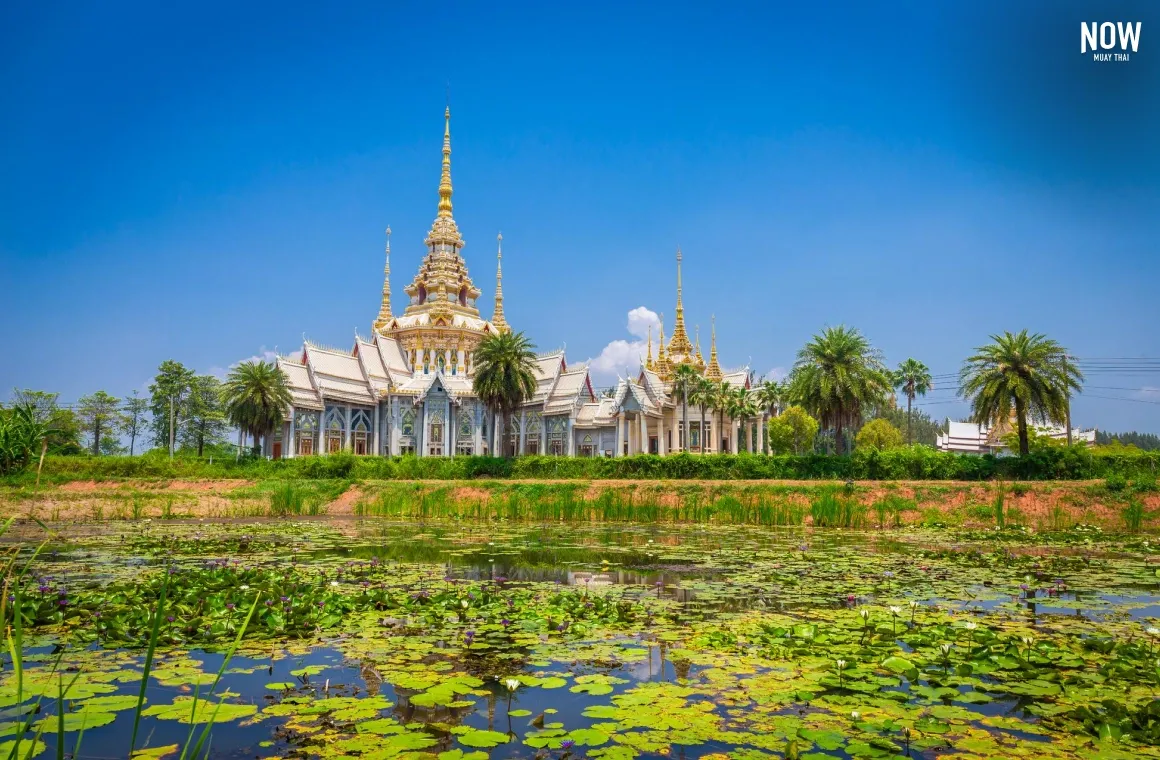 Temple in Nakhon Ratchasima
Things to Do in Korat
The highlight of any trip to Korat is Khao Yai National Park, Thailand's oldest national park and a UNESCO World Heritage Site. During the rainy season, the park is at its greenest, with dense forests, flowing waterfalls and excellent opportunities for wildlife spotting. The park is home to wild elephants, gibbons, hornbills, deer and many other species.
A visit to Haew Suwat Waterfall is one of the easiest and most rewarding experiences in Khao Yai. Made famous by the film The Beach, the waterfall is surrounded by tropical forest and becomes especially impressive during the rainy season when water levels are higher.
For a more adventurous experience, explore other areas of Khao Yai through nature trails and viewpoints. Early mornings and late afternoons are the best times for wildlife watching, when temperatures are cooler and animals are more active.
History lovers should visit Phimai Historical Park, one of Thailand's most important Khmer temple complexes. Built centuries ago under the influence of the Khmer Empire, the sandstone structures showcase incredible architecture similar to Angkor-era temples. Visit in the morning to explore the ruins comfortably before the heat increases.
If you are visiting during the cooler months, consider stopping at Jim Thompson Farm. Open only for a limited period each year, the farm features flower fields, gardens and cultural displays celebrating Isaan traditions.
For an authentic local experience, explore Korat's night markets. The province is known for delicious Isaan cuisine, including grilled meats, som tam, sticky rice, fresh fruit and local desserts. Prices are usually much lower than in Thailand's major tourist destinations.
If you enjoy scenic drives, stop at Lam Takhong Viewpoint for beautiful views over the reservoir and surrounding countryside. The area is especially peaceful after rainfall when the landscape becomes greener.
Practical Tips
- The easiest way to explore Khao Yai National Park is by car, as public transportation inside the park is limited.
- Bring proper walking shoes if visiting waterfalls or hiking trails, as paths can become muddy and slippery after rain.
- Carry insect repellent when exploring national parks, especially during the rainy season.
- Early mornings and late afternoons offer the best chance of seeing wildlife and avoiding the hottest temperatures.
- Allow extra time when driving through Khao Yai, as scenic roads and viewpoints can easily turn into longer stops.
- Phimai Historical Park can be visited in a few hours, but combining it with the nearby museum provides a deeper understanding of the site's history.
- Korat is best explored by car and works well as a base for discovering more of Isaan, including Buriram and other northeastern provinces.
- Bring a light rain jacket or umbrella for sudden afternoon showers.
Recommended Gym
CH ChanaMuayThai

A welcoming Muay Thai gym offering authentic training for all experience levels. With multiple daily sessions, the gym provides flexibility for travellers who want to train consistently while exploring Korat. Classes focus on strong fundamentals, technical development and overall fitness in a supportive environment.
Training: Muay Thai
Schedule: Tue–Sun (10:30–12:00, 13:00–14:30, 15:00–16:30, 17:00–18:30, 18:30–20:00)
Single Session : 350 THB
Udon Thani
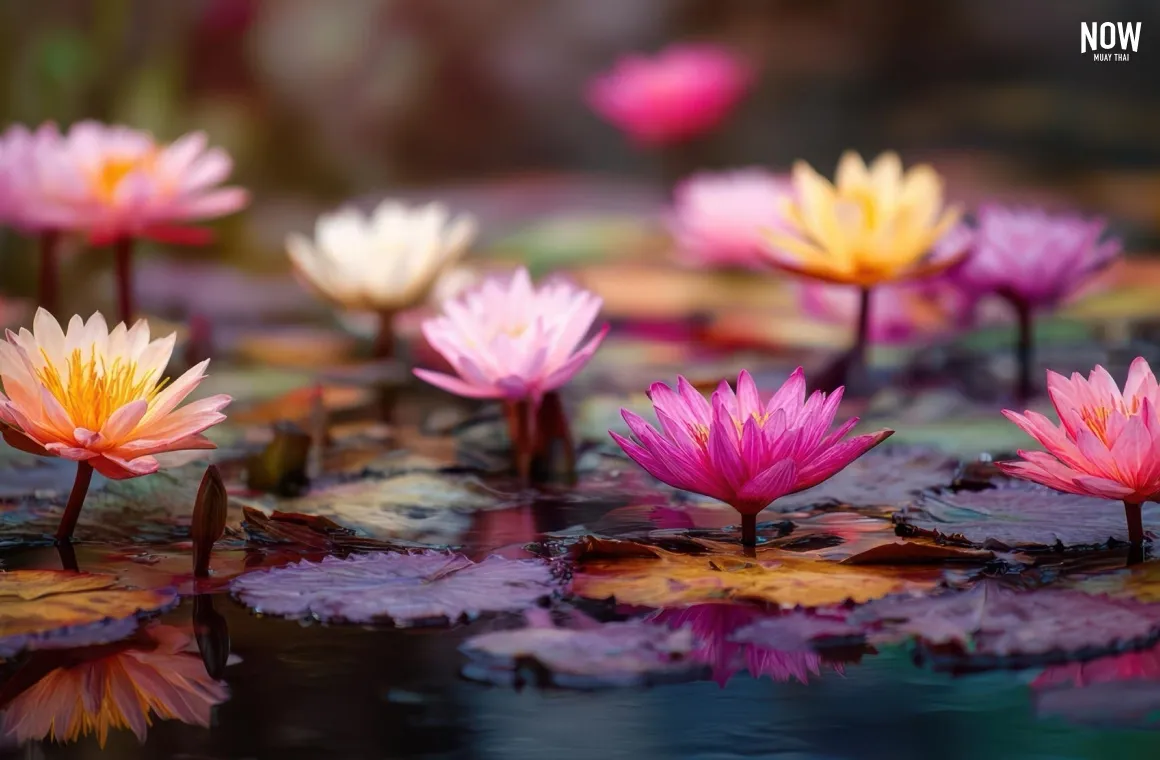 Lake with water lilies at Udon Thani
Udon Thani is a great rainy season destination for travellers who want to experience authentic northeastern Thailand without large tourist crowds. Located in the Isaan region, the city offers a mix of cultural attractions, local markets, archaeological sites and peaceful countryside.
The rainy season in Udon Thani is generally manageable and follows the typical weather pattern of northeastern Thailand. Daytime temperatures usually stay around 31–33°C, while nights remain warm at around 25–26°C. Rain usually arrives as short afternoon or evening storms, followed by cooler and fresher air.
During this period, the surrounding countryside becomes much greener, with rice fields, lakes and rural landscapes coming alive after rainfall. Winds are generally light, and the open landscapes often feel less humid than larger cities such as Bangkok.
Best for:
Authentic Thai culture, local markets, archaeological sites, peaceful city life, affordable travel, Isaan cuisine and travellers looking to explore Thailand beyond the usual tourist destinations.Weather
25–33°C during the rainy season (May–October). Days remain warm, but afternoon showers bring temporary relief from the heat. Rain usually lasts one to two hours and rarely affects an entire day of sightseeing.What to Expect
Udon Thani offers a completely different experience from Thailand's famous beach destinations. Life moves at a slower pace, prices are affordable and the city provides a glimpse into everyday Thai culture.The rainy season is a good time to visit because the surrounding countryside becomes lush and green, while tourist numbers remain lower compared with Thailand's more popular destinations. The city itself is easy to explore, with parks, markets, temples and restaurants all within reach.
Udon Thani is also an excellent base for exploring some of northeastern Thailand's most important historical and natural attractions. From prehistoric archaeological sites to peaceful lakes and unique rock formations, the region offers plenty for travellers who enjoy culture and outdoor experiences.
For Muay Thai travellers, Udon Thani is a good stop for experiencing authentic Isaan life, local food and a quieter atmosphere away from Thailand's main tourist centres.
Top Attractions
- Red Lotus Lake (Talay Bua Daeng)
- Ban Chiang UNESCO World Heritage Site
- Nong Prajak Park
- Phu Phra Bat Historical Park
- UD Night Market
- Central Udon
- Wat Pa Ban Tat
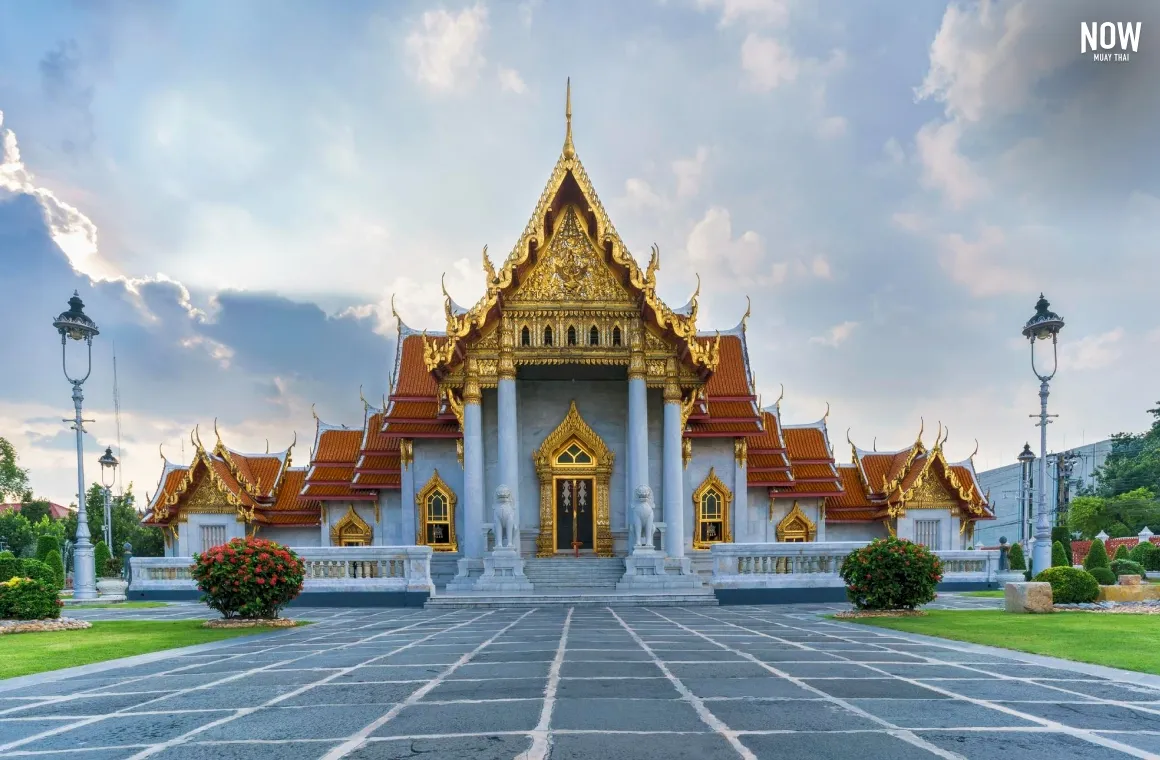 Temple in Udon Thani
Things to Do in Udon Thani
One of Udon Thani's most famous attractions is Red Lotus Lake (Talay Bua Daeng). While the lotus flowers are at their peak during the cooler months, the lake area remains beautiful throughout the year, with peaceful views and local boat trips available. If visiting during the blooming season, arrive early in the morning when the flowers are open and the temperatures are more comfortable.
History lovers should visit Ban Chiang, a UNESCO World Heritage Site and one of Southeast Asia's most important prehistoric archaeological locations. The museum displays ancient pottery, tools and artefacts that reveal the history of one of the world's earliest Bronze Age communities.
For a relaxing break inside the city, visit Nong Prajak Park. The large lake, walking paths and green spaces make it one of Udon Thani's favourite places for locals. It is especially pleasant in the early morning or evening when temperatures are cooler. For Muay Thai travellers, it is a good place for a gentle recovery walk after training.
A more unusual attraction is Phu Phra Bat Historical Park, where ancient religious sites, prehistoric rock paintings and strange sandstone formations are scattered throughout a forest landscape. The combination of nature and history makes it one of the most unique destinations in Isaan, and it remains much quieter than Thailand's better-known historical parks.
For an authentic local experience, spend an evening at the UD Night Market. The market offers a wide range of Isaan food, drinks, clothing and local products. Try regional favourites such as grilled meats, sticky rice, papaya salad and other northeastern Thai specialities.
If you want to experience local life, visit one of the city's morning markets. These are great places to see everyday Thai culture, enjoy inexpensive breakfasts and discover regional ingredients and snacks that are rarely found in tourist areas.
Practical Tips
- Visit outdoor attractions early in the morning or later in the afternoon to avoid the hottest part of the day.
- Renting a scooter or car is the easiest way to explore attractions outside Udon Thani, including Ban Chiang and Phu Phra Bat Historical Park.
- Carry a small umbrella or rain jacket for sudden afternoon showers.
- The city is very affordable compared with Bangkok and Thailand's beach destinations, making it suitable for longer stays.
- Try local Isaan cuisine while visiting. The region is famous for bold flavours, grilled meats, sticky rice and spicy salads.
- Udon Thani has a slower pace than Thailand's main tourist destinations, so leave time to explore cafés, markets and local neighbourhoods without rushing.
- If travelling during the rainy season, check weather conditions before visiting remote natural attractions, as some trails may become muddy after heavy rain.
Recommended Gym
FightClub MuayThai Udonthani
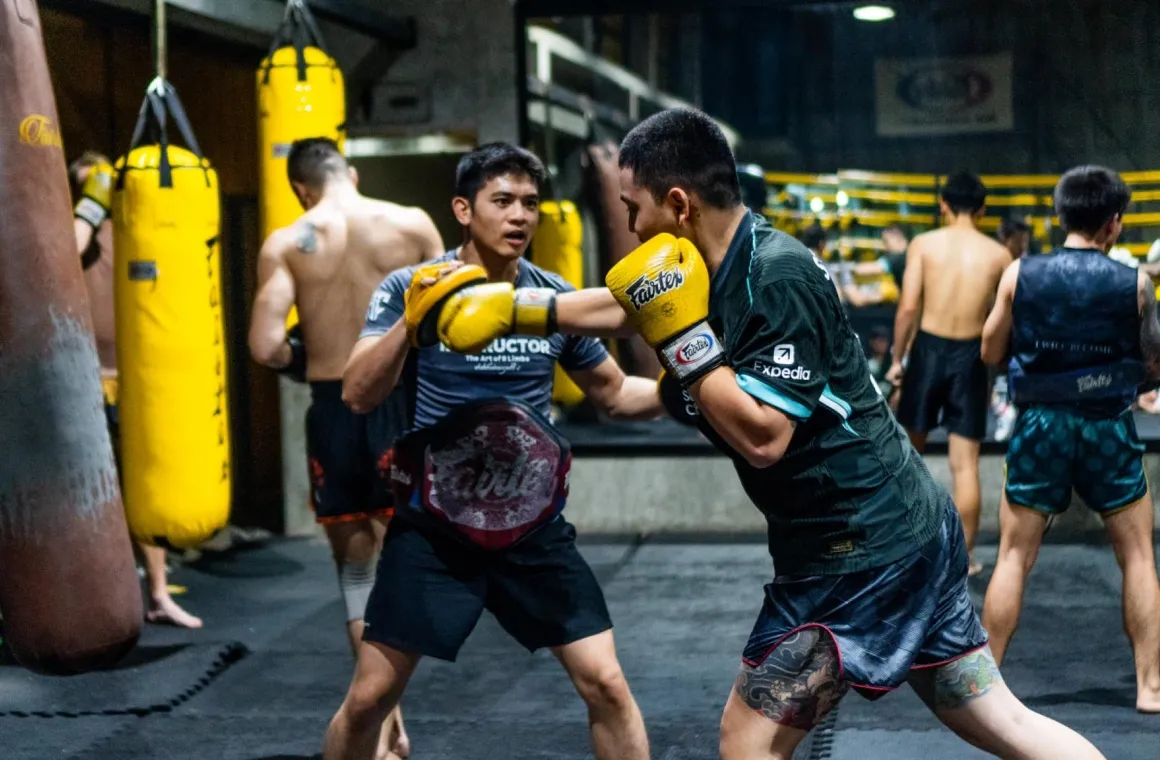
A professional Muay Thai gym offering structured training for both fighters and recreational students. With dedicated fighter classes, group sessions, private training and boxing, it provides an excellent environment for beginners and experienced practitioners alike.
Training: Muay Thai (90 min), Boxing
Schedule: Multiple Daily Sessions (Mon–Sun)
Single Session : 450 THB
DTV Visa Support: Available
Destinations to be cautious about
Phuket is still worth visiting, but expect rough seas and occasional red-flag beaches where swimming isn't allowed. It's a good choice if you're interested in Old Town, spas, Muay Thai, cafés, and restaurants rather than spending every day on the beach. Phuket's rainy season is much more noticeable than in central Thailand. Temperatures stay warm, usually around 29–32°C during the day and 26–27°C at night, but the weather is more unpredictable because the island is affected by the southwest monsoon. Rain showers can last longer, often one to four hours, and some periods may bring several rainy days in a row. Cloudy skies are common, although sunny breaks still happen frequently. The main difference is the wind and sea conditions. Before storms, the air can feel humid and still, but during monsoon periods strong winds can create large waves and rough seas. Swimming conditions can become unsafe, and boat trips to nearby islands may be cancelled. Phuket is still enjoyable during rainy season if you are interested in Old Town, cafés, restaurants, spas, Muay Thai training, and local experiences rather than spending every day on the beach.
Krabi - Island-hopping tours are more likely to be cancelled and the sea can be rough and some beaches may be less enjoyable. Krabi has similar weather conditions to Phuket, with temperatures around 29–32°C during the day and 25–27°C at night. Rain often comes in short tropical storms, but longer cloudy periods are also possible. The rainy season transforms Krabi's landscapes into deep green scenery, with waterfalls, jungles, and mountains looking their best. However, the sea can become rough, and island-hopping tours depend heavily on weather conditions. Longtail boat trips and snorkeling excursions may be cancelled during stronger storms. Krabi is a beautiful choice for nature lovers, but travelers should have flexible plans during this season.
Khao Lak - Many businesses operate with reduced hours and diving and snorkeling conditions are often poor. Khao Lak is one of the wetter destinations during Thailand's rainy season. Temperatures are usually around 29–31°C during the day and 25–27°C at night. Rain is more frequent here compared with Phuket and can include longer periods of cloudy weather or occasional all-day rain. The monsoon winds affect the coast strongly, creating rough sea conditions and limiting swimming, diving, and boat activities. The advantage of visiting Khao Lak during this season is the incredible natural scenery. The forests are lush, waterfalls are full, and the area is peaceful with fewer tourists. It is better suited for travelers looking for relaxation and nature rather than beach activities.
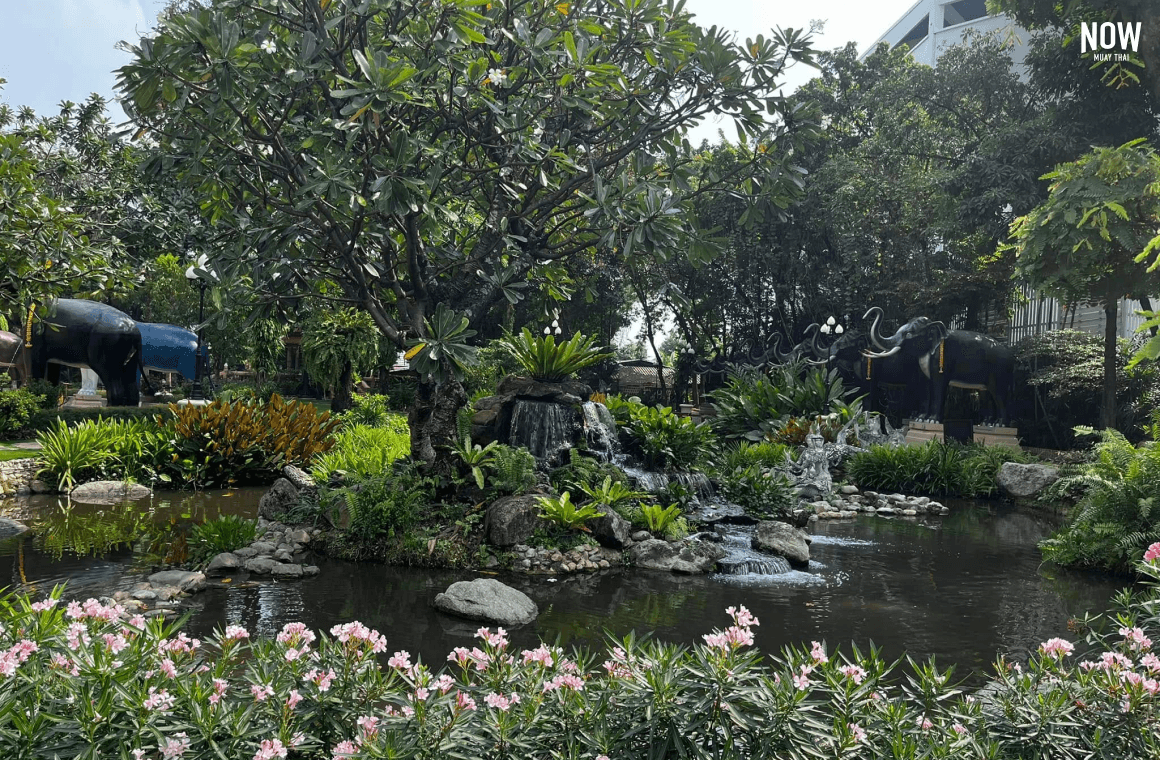 The garden of Erawan Museum in Bangkok
Actionable Tips for Your Trip
- Plan Around the Showers: Schedule your training for the early morning or evening when rain is least likely, leaving the mid-afternoon for indoor activities or relaxation.
- Embrace the Off-Season: Use the time you save on lower hotel rates to invest in more private training sessions with your gym’s senior instructors.
- Stay Flexible: The best part of the rainy season is the spontaneity. If a morning is wet, embrace the gym; if the sun breaks through, hit the waterfalls.
Final Thoughts
Far from being a washout, Thailand's rainy season from May to October presents a unique, "hidden gem" opportunity for dedicated Muay Thai practitioners and travelers alike. By choosing to visit during these months, you can take advantage of lower accommodation costs, fewer crowds at popular attractions, and a significantly cooler climate that makes high-intensity training far more manageable. Rather than constant grey skies, you will likely encounter refreshing tropical showers that bring lush landscapes to life and leave the air feeling revitalized. Whether you prefer the vibrant energy of Bangkok, the serenity of northern mountain retreats, or the unique character of coastal destinations, the rainy season offers a quieter, more authentic way to experience Thailand without the intense heat of the dry months. Embracing this period allows you to focus on your training and exploration while enjoying the country's natural beauty at a fraction of the cost
If you’re planning your Muay Thai journey in Thailand, there’s a lot more to explore beyond training alone. Whether you’re curious about how different travellers experience Muay Thai, looking for inspiration to transform your lifestyle, or trying to map out the perfect training trip around your schedule, we’ve put together a few extra reads to help you go deeper. You might also find useful insights if you’re considering a longer stay in Thailand or even a complete lifestyle shift. Explore more below:
- Best Time to Train Muay Thai in Thailand: The Ultimate Winter Escape Guide
- Thailand Summer Travel Guide: Best Destinations to Visit from March to May
- Find Your Best Version Through Muay Thai
- How to Plan Your Muay Thai Trip in Thailand Around Your Schedule
- Everything you need to know about DTV Visa in 2026
- The Best Muay Thai Gyms in Chiang Mai
- 5 Reasons Why Learning Muay Thai in Phuket Is So Popular
- Where to Train Muay Thai in Bangkok: 20 Gyms Worth Your Time
Learn more about Muay Thai

Back