
 Home
Home Muay Thai Gyms
 Training Classes
 Promotions
 Muay Thai Visa
 Blog
BlogInside a Thai Muay Thai Camp: How Fighters Train, Eat, Recover and Prepare for Competition
October 5, 2026



A serious Muay Thai camp is not simply a place where fighters attend two training sessions a day. It is a rhythm built around training, food, recovery, coaching, sleep and the next fight. Here is what life inside a Thai fight camp really looks like.
Walk into a traditional Thai Muay Thai camp early in the morning and the first thing you notice is that training has already begun. Fighters are running before breakfast. Bags are being kicked. Trainers are moving around the ring. Someone is wrapping their hands while another fighter is finishing roadwork outside the camp.
Later in the day, the same gym will become a completely different environment. The afternoon session is harder, more technical and often more closely connected to the fighters' upcoming bouts. Between sessions there is food, rest, massage, stretching, sleep and very little wasted energy.
Life in a Thai fight camp is built around one objective: becoming ready to fight. The training is only one part of that process.
The Camp Is a Lifestyle, Not Just a Gym
In a normal commercial gym, you can train for an hour and then return to your usual routine. In a fight camp, training affects almost everything else you do.
When the next session is coming in a few hours, the way you eat, sleep, walk, stretch and spend your free time starts to matter. Fighters learn to protect their energy because they know they will need it again later in the day.
This is particularly important for fighters preparing for competition. A session is not treated as an isolated workout. It forms part of a larger training cycle designed to develop technique, conditioning, timing, durability and fight-specific fitness.
A Thai fight camp is built around repetition. The goal is not to have one perfect training session. It is to accumulate thousands of technically correct repetitions over weeks and months.
The Morning Starts With Roadwork
For fighters following a traditional camp routine, the day often begins with running. Roadwork is one of the most recognisable parts of Thai fight preparation and remains an important conditioning tool in many camps.
The exact distance and pace depend on the fighter, their conditioning level, the camp's philosophy and how close they are to competition. Some fighters run longer distances during periods of general preparation, while the workload may change as the fight approaches.
The important point is consistency. Roadwork is not about proving how fast you can run on one morning. It is about building an aerobic base and becoming comfortable with sustained physical work.
The hardest part of camp is often not one brutal session. It is showing up and doing the work again tomorrow.
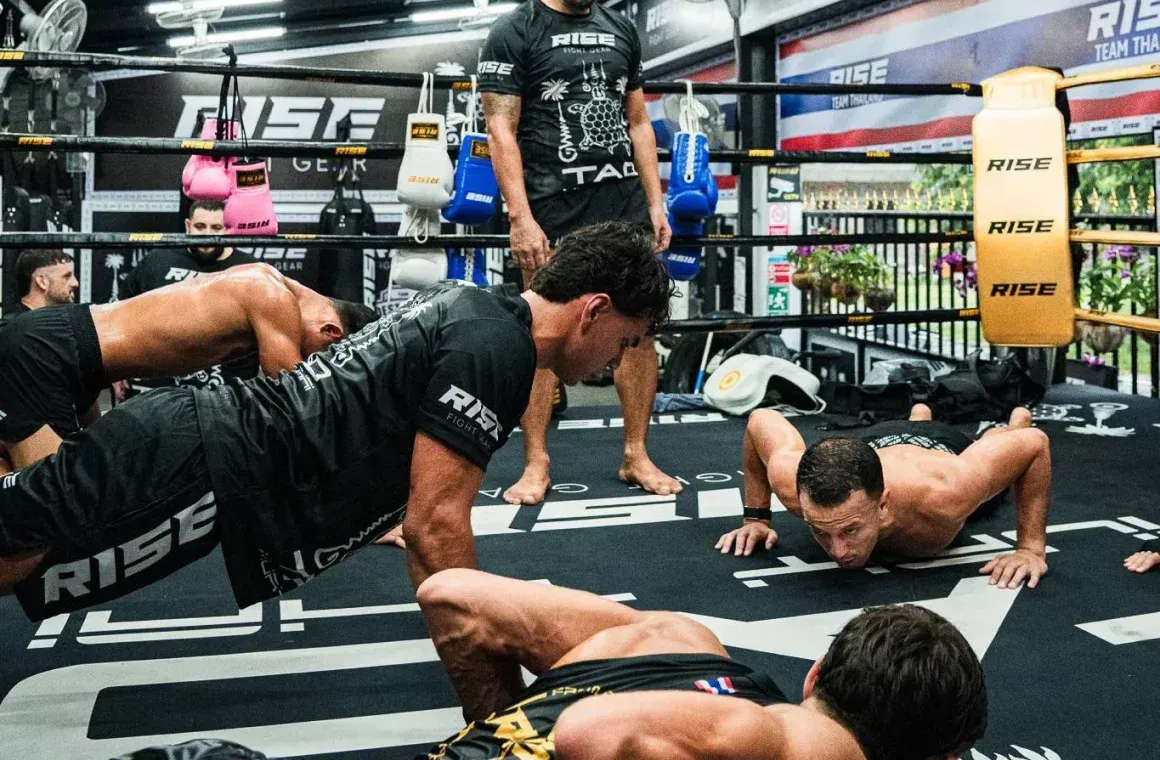 Warm Up at Tao Muay Thai in Phuket
Morning Training: Technique, Rhythm and Volume
After roadwork, fighters return to the gym for the first main training session. A typical session can move through several stages, with the exact structure changing from camp to camp and fighter to fighter.
Skipping & Movement
Jump rope, mobility work and general movement prepare the body while also developing rhythm, coordination and footwork.
Shadowboxing
Fighters rehearse combinations, movement, defensive reactions and fight-specific patterns without an opponent in front of them.
Heavy Bag Work
Bag rounds develop power, endurance and repetition while allowing fighters to work specific combinations and attacks at volume.
Pad Work
The trainer can control the pace, call combinations, test reactions and simulate elements of the fight more closely than during solo work.
For experienced fighters, the difference is often in the details. A trainer may repeatedly correct a small technical error, change the timing of a combination or force the fighter to work at a pace that exposes weaknesses.
The Afternoon Session Is Where the Fight Gets Specific
The second major training session is often the more important one for fighters preparing for competition. By this point, the trainer knows what the fighter needs to work on and the session can become increasingly specific to the upcoming opponent and fight.
Pad work may become more intense. Clinching can take longer. Sparring may focus on particular situations rather than simply trying to win rounds. Bag work can be used to reinforce combinations that the fighter expects to use under pressure.
This is also where the accumulated fatigue of camp becomes important. Fighters need to learn how to maintain technique when tired because a real fight does not begin with a fresh body and guarantee perfect conditions.
Fight preparation is about making the correct response automatic enough that it still works when the body is tired, the heart rate is high and an opponent is trying to stop you.
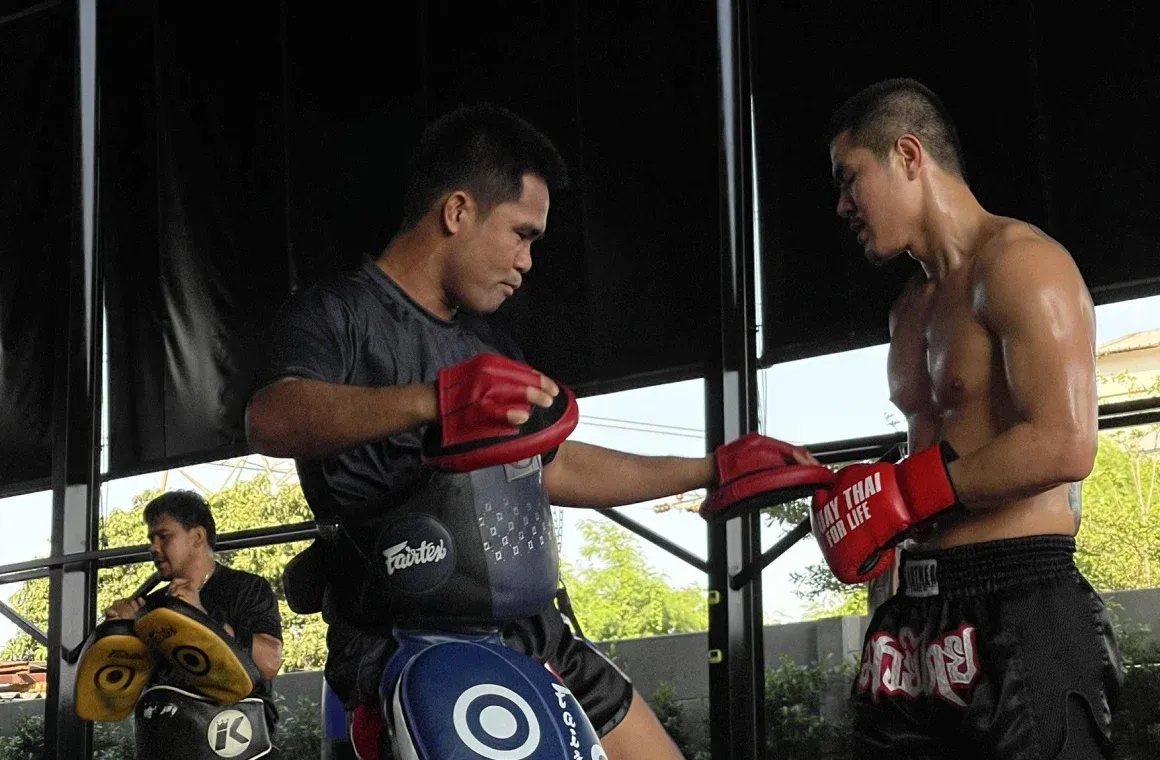 Try Muay Thai at WKO Muay Thai in Bangkok
Sparring Is Not Supposed to Be a Street Fight
One of the biggest misconceptions about serious Muay Thai training is that every hard session has to become a war.
Good sparring has a purpose. Fighters can use technical sparring to work timing, distance, defence, counters and combinations without trying to knock each other out. Harder rounds may be used at appropriate points in a training cycle, but constantly trying to hurt training partners is a poor way to build a sustainable camp.
Experienced fighters often learn to control their ego. They understand that the partner who exposes a weakness today may be helping them fix something that prevents them from losing a fight later.
The best sparring partner is not necessarily the person who beats you. It is the person who makes you better.
Clinch Training: Strength, Timing and Problem Solving
Clinching can be one of the most demanding parts of a Muay Thai camp. Fighters work for position, posture, balance, knees, turns and control while constantly reacting to another person's movement.
For beginners, clinching can feel chaotic. For experienced fighters, it becomes a technical battle of small adjustments. A change in head position, grip or hip placement can completely change the situation.
Traditional Thai training places significant value on this close-range work. It develops physical strength, balance and conditioning, but also teaches fighters how to remain composed while another person is constantly trying to control their position.
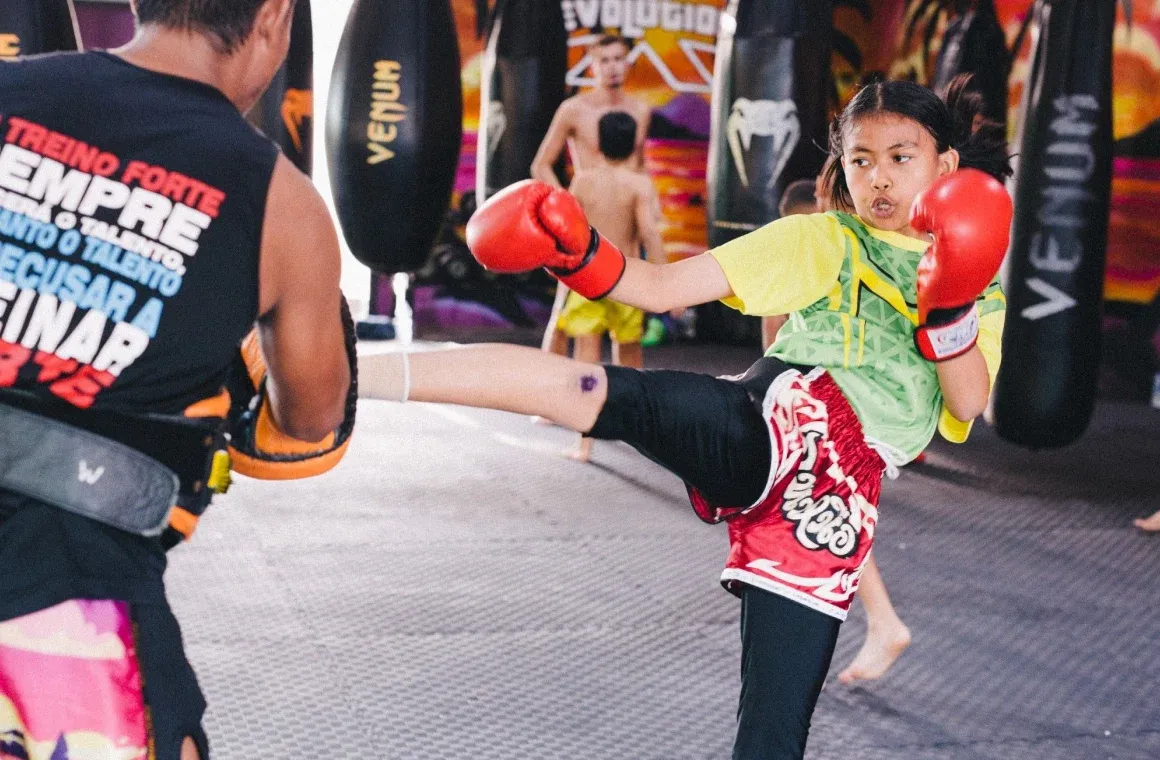 Try muay thai at Revolution Muay Thai Camp in Phuket
What Fighters Actually Eat
Food in a fight camp is functional. Fighters need enough energy to survive demanding training while managing body weight according to their competition goals.
The exact diet varies considerably between fighters, camps and weight classes. There is no single universal Thai fight-camp menu. Meals can include rice, eggs, chicken, fish, vegetables, fruit and other familiar Thai foods.
Carbohydrates are particularly useful when training volume is high because fighters need accessible energy for repeated sessions. Protein supports recovery, while fluids and electrolytes become increasingly important in Thailand's heat and humidity.
Rice & Carbohydrates
A practical source of energy for fighters completing roadwork and multiple training sessions throughout the day.
Protein
Eggs, chicken, fish and other protein sources help support recovery from repeated physical training.
Fluids & Electrolytes
Hydration becomes a daily priority when fighters train hard in hot and humid conditions.
Fruit & Simple Foods
Easy-to-digest foods can provide practical fuel around demanding sessions without making the fighter feel unnecessarily heavy.
Near competition, nutrition becomes more individual. Weight management can influence meal size, food choices and fluid intake, and serious fighters should make these decisions with experienced coaching rather than copying an extreme weight-cutting routine from another fighter.
Recovery Is Part of Training
When a fighter trains once or twice a day, recovery can easily become the difference between productive training and accumulated exhaustion.
Thai camps may use massage, stretching, mobility work, rest and other recovery practices. Traditional Thai massage is particularly associated with Muay Thai culture and can be part of the routine for fighters managing the physical demands of camp.
Recovery does not mean doing nothing. It means giving the body enough opportunity to adapt to the work that has already been done.
Training creates the stimulus. Recovery is where the body gets the opportunity to adapt to it.
Sleep Becomes a Training Tool
Serious camp life can look repetitive from the outside: run, train, eat, rest, train, eat, sleep. That repetition is exactly the point.
When training volume is high, sleep becomes one of the most valuable forms of recovery available. Fighters who constantly stay up late, socialise heavily or fill every free hour with activities are adding stress to a body that is already being asked to perform.
This is one of the biggest differences between a short Muay Thai holiday and genuine fight-camp life. The fighter's free time is not necessarily empty time. It is part of the preparation.
A Day Inside a Thai Fight Camp
Roadwork and conditioning. The day begins with running or other conditioning, followed by time to cool down, shower and prepare for the first meal.
Main training session. Skipping, shadowboxing, bag work, pad work, technique drills and conditioning build the foundation for the day's work.
Eat and recover. The priority shifts from training to food, hydration, rest, massage or sleep.
Fight-specific training. Pad work, sparring, clinching, technical drills and conditioning can be adjusted according to the fighter's needs.
Recovery and food. Fighters eat, rehydrate, stretch and spend time recovering before the next day's training.
Sleep. The day ends early because another day of training is coming.
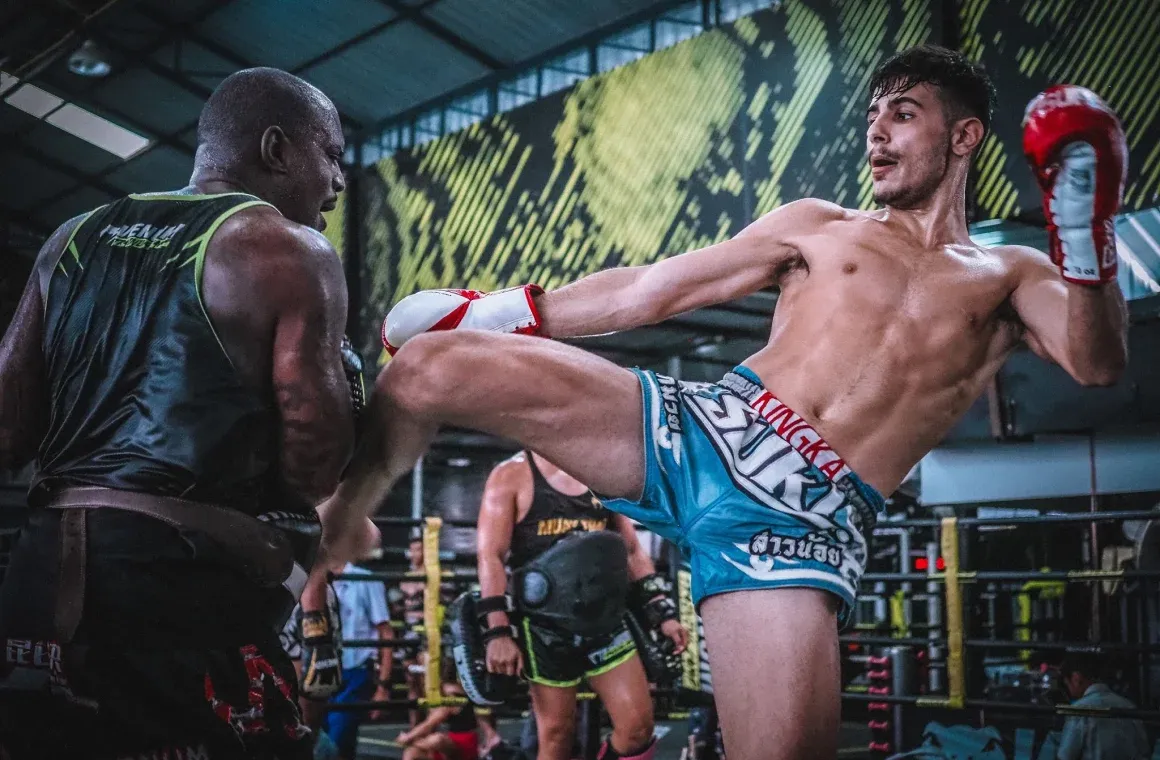 Muay Thai training at Venum Training Camp in Pattaya
The Trainer Is Watching More Than Your Technique
In a serious camp, the relationship between fighter and trainer goes far beyond holding pads.
Trainers observe how a fighter moves when tired, whether they follow instructions, how they react under pressure, where they lose balance and which techniques naturally appear during sparring.
They also have to manage the fighter's workload. More training is not automatically better. A fighter who is exhausted, injured or mentally burned out cannot perform properly on fight night.
The trainer's job is therefore partly technical and partly strategic: knowing when to push, when to correct, when to reduce the workload and when the fighter is ready.
Preparing for Competition Changes the Camp
A normal training period and a fight camp are not exactly the same thing. Once a fight is scheduled, training becomes more focused.
The fighter may work on particular weapons, defensive reactions, conditioning requirements and strategies that are relevant to the opponent. The closer the fight gets, the more important it becomes to arrive at competition in a prepared rather than exhausted state.
Experienced fighters and trainers also pay attention to weight, recovery, injuries, sleep and overall readiness. The objective is no longer simply to become fitter.
The purpose of a fight camp is to arrive at the ring with the right combination of technique, conditioning, confidence, strategy and freshness.
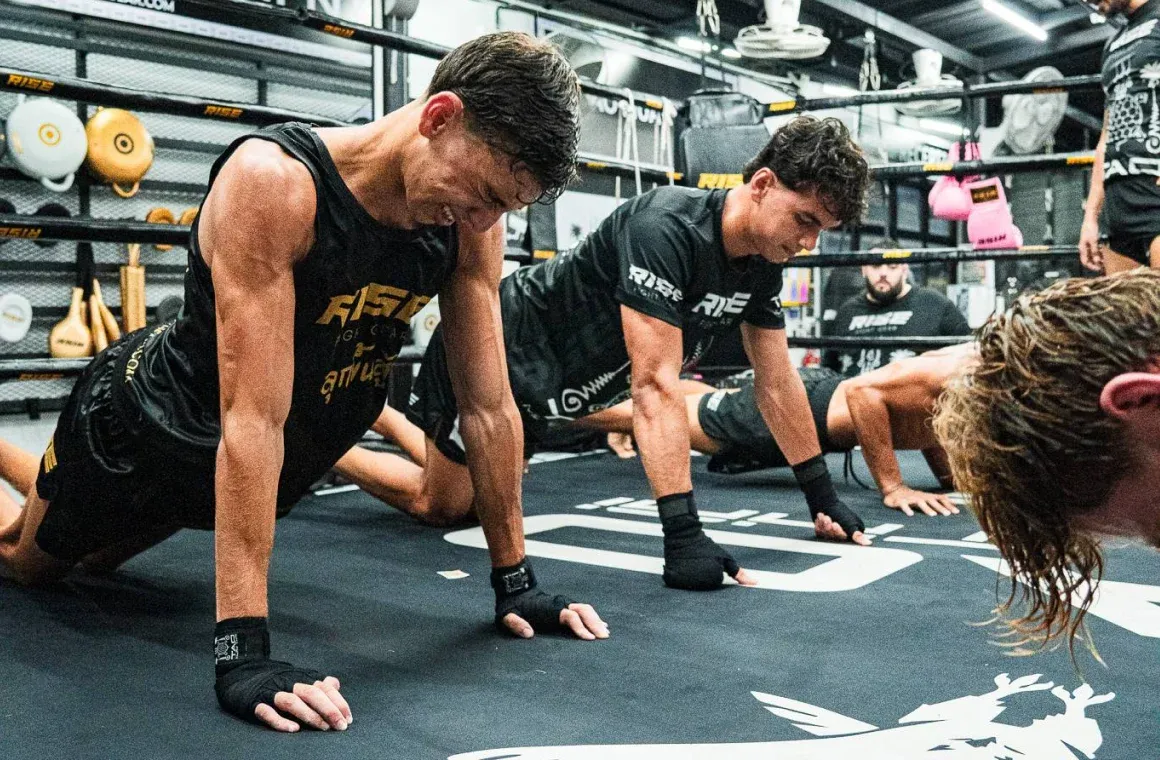 Push Ups at Tao Muay Thai in Phuket
The Final Days: Reduce the Work, Keep the Sharpness
Training does not simply continue at maximum intensity until the moment a fighter walks into the ring. The final stage of preparation is about arriving ready.
As competition approaches, the training workload can be reduced while technical sharpness is maintained. Hard sessions become less useful when they create unnecessary fatigue or soreness immediately before a fight.
The final days are therefore very different from the hardest weeks of camp. The fighter has already built the conditioning. Now the priority is to preserve readiness.
You cannot build a fight camp in the final week. By then, the work has already been done.
What Makes a Thai Camp Different?
Thai Muay Thai culture developed around a fighting tradition in which training was not separated from everyday life in the way it often is in modern fitness culture.
The result is an environment where repetition, discipline and familiarity with hard work are deeply embedded in the routine. Fighters can spend months doing variations of the same basic movements: running, skipping, shadowboxing, hitting pads, kicking the bag, clinching and sparring.
What changes is the level of detail.
A beginner might be learning how to turn the hip correctly on a kick. An experienced fighter may be working on exactly when that kick should be thrown against a particular opponent. The exercises can look similar while the purpose behind them becomes completely different.
Recommended Muay Thai Gyms
If you want to experience the training-camp lifestyle in Thailand, these gyms are worth considering for a more immersive Muay Thai experience.
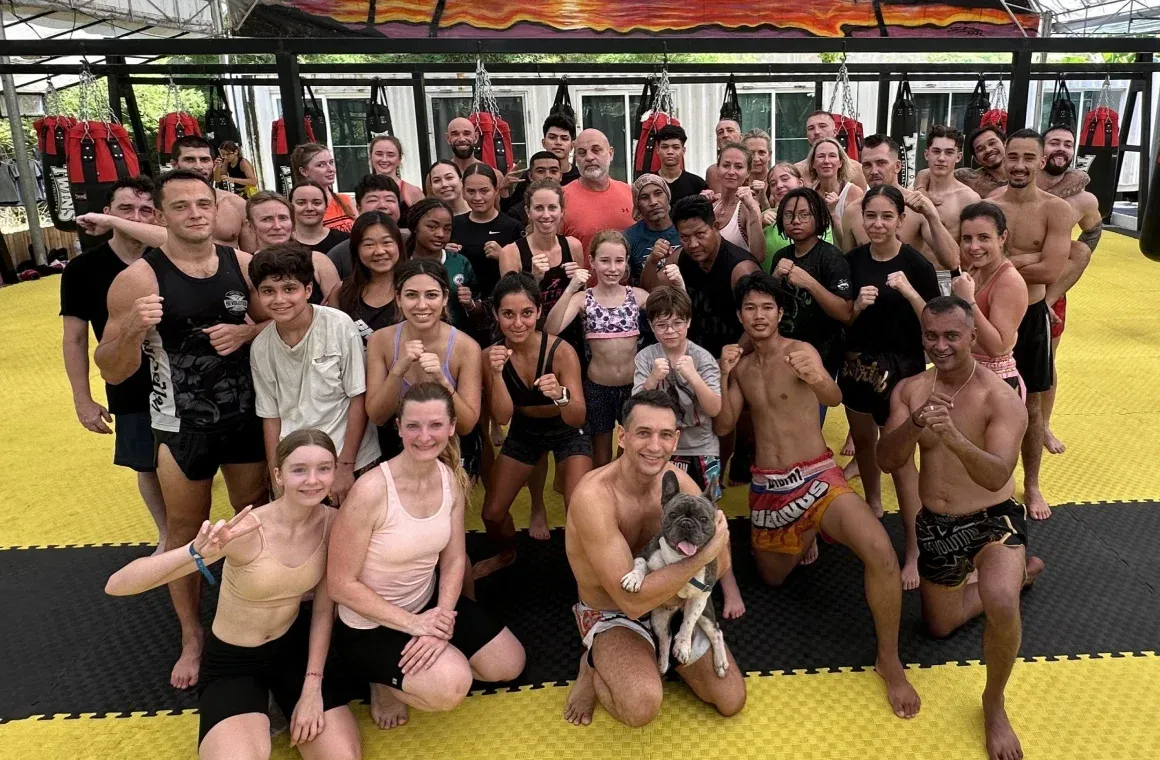
Revolution Phuket
Phuket, Thailand
Train in Phuket in a dedicated Muay Thai environment designed for people looking to take their training seriously.
WKO Muaythai Camp
Thailand
A Muay Thai camp for practitioners looking to experience structured training and the atmosphere of a dedicated fight camp.
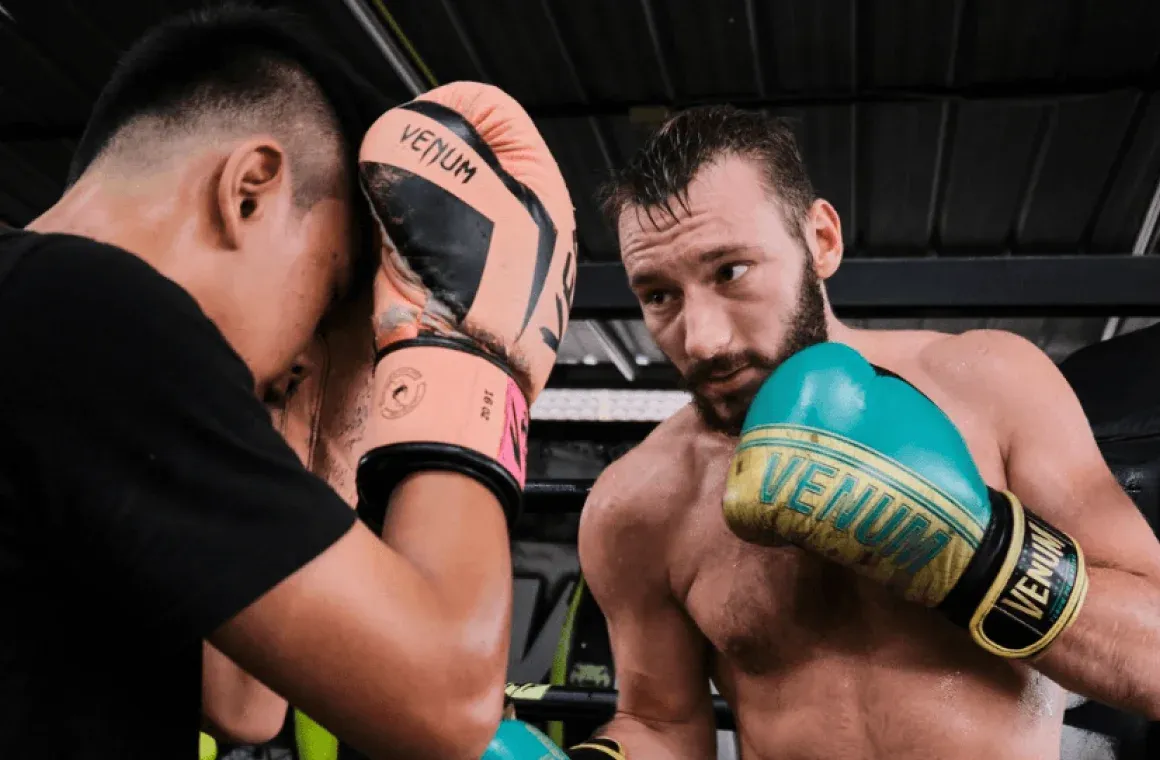
Pattaya
Pattaya, Thailand
A Pattaya-based option for travelers who want to make Muay Thai training a central part of their stay in Thailand.
Recommended Muay Thai Programs
If you want more than a regular gym membership, these programs combine Muay Thai training with accommodation, meals or a dedicated camp experience.
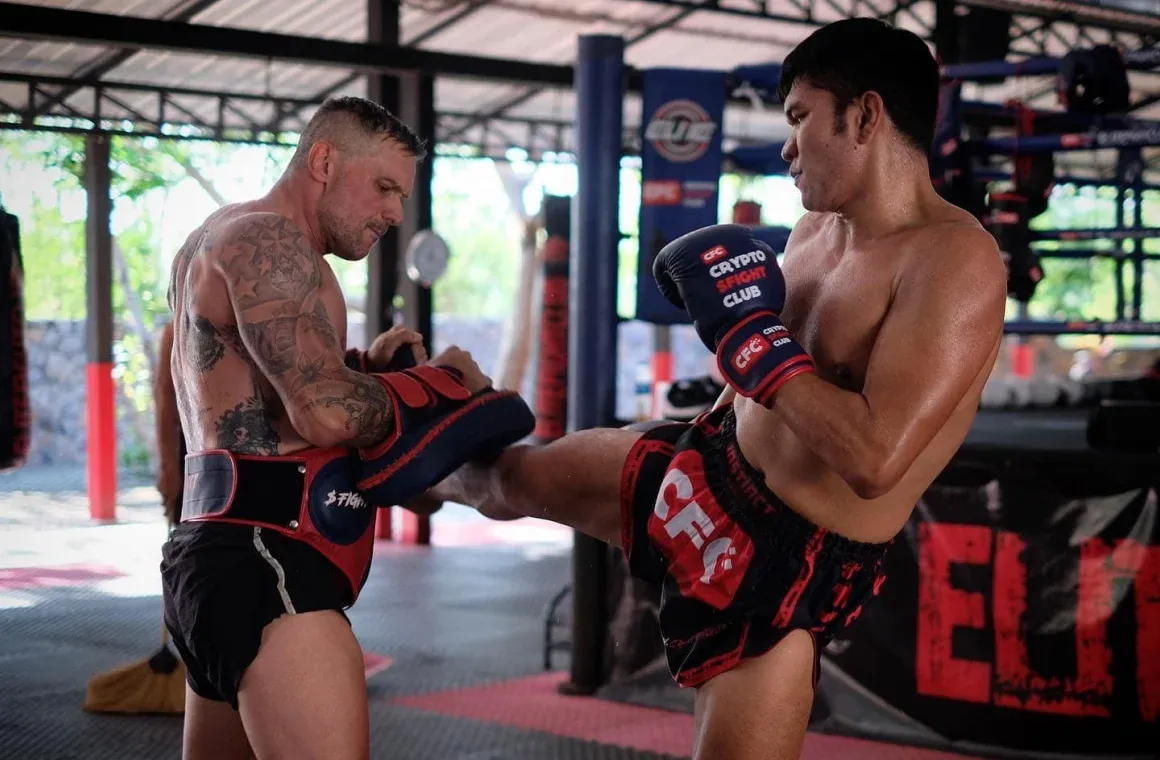
Elite Fight Club Hua Hin
Hua Hin, Thailand
1 NightA short Muay Thai camp experience with training and an individual bungalow, ideal for travelers who want to experience camp life without committing to a longer stay.
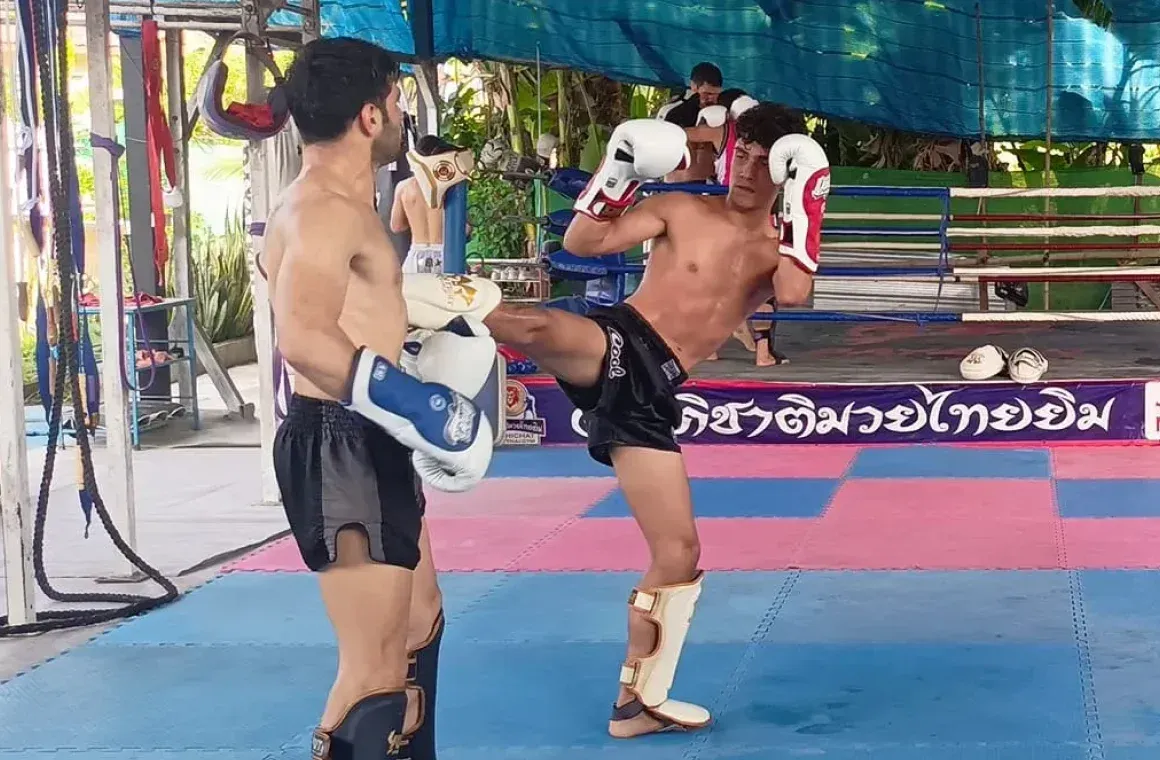
Jor. Aphichat Muay Thai Gym
Sing Buri, Thailand
15 DaysA longer camp experience combining Muay Thai training with accommodation and meals for a more immersive stay.
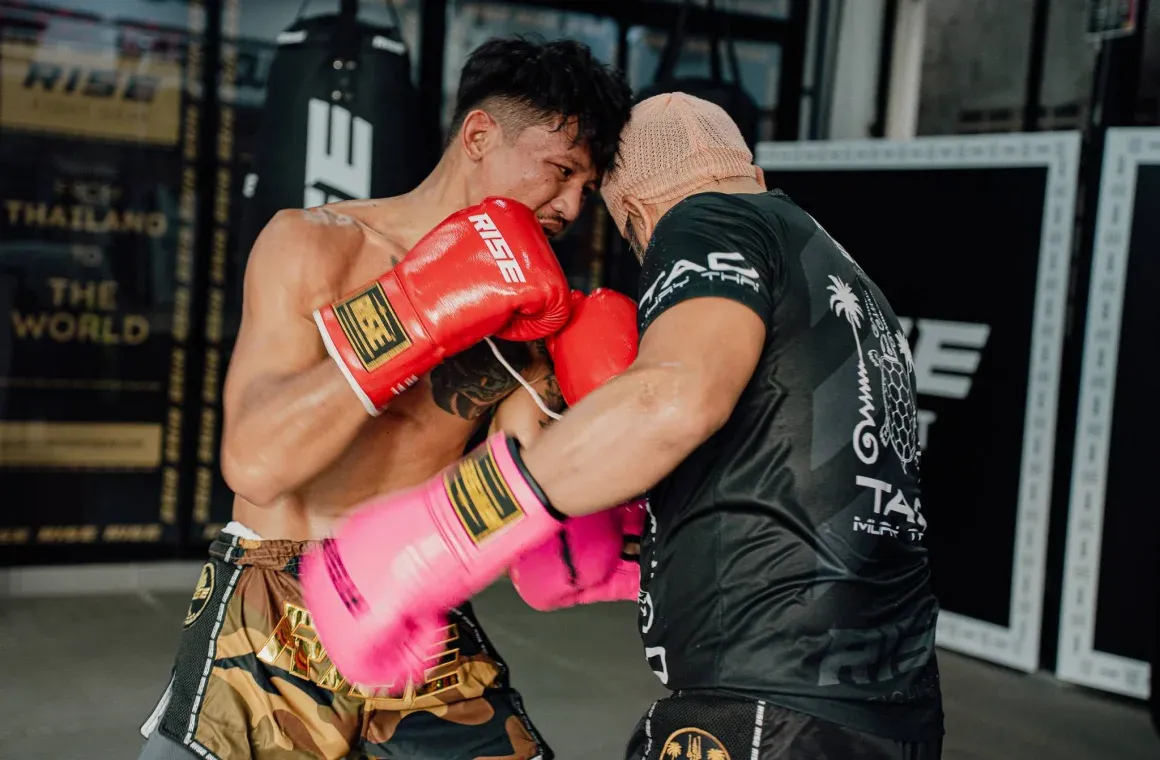
Tao Muay Thai Gym
Phuket, Thailand
1 MonthA one-month fight-camp program for all levels that combines Muay Thai training with accommodation in Phuket.
What Travelers Should Understand Before Joining a Fight Camp
If you are travelling to Thailand specifically to train, it helps to understand the difference between attending classes and becoming part of a camp.
- You do not need to be a professional fighter. Many camps accept beginners and recreational practitioners, but serious fight-camp routines can be physically demanding.
- Do not copy a professional's workload immediately. Your body needs time to adapt to Thailand's heat, humidity and training volume.
- Training twice a day is not mandatory for everyone. Your appropriate workload depends on experience, fitness, recovery and goals.
- Respect the camp's rhythm. Arrive on time, listen to trainers and understand that other fighters may be preparing for actual competition.
- Recovery is not laziness. Resting between sessions can be exactly what allows you to train properly again.
- Expect repetition. Authentic Muay Thai training is built around drilling fundamentals until they become reliable.
Common Mistakes in Fight Camp
Trying to Train at Maximum Intensity Every Day
Hard training has a place in camp, but constantly going all-out can reduce the quality of your technique and make recovery increasingly difficult.
Ignoring Sleep
Late nights and heavy training are a poor combination. Sleep should be treated as part of the preparation rather than something left over after everything else.
Copying Another Fighter's Diet
Weight, training volume and nutritional needs differ. What works for a professional fighter preparing for a specific weight class may be completely inappropriate for you.
Turning Sparring Into Competition
Training partners are there to help you develop. Ego-driven sparring can create injuries without improving the skills that actually matter.
Doing Too Much Too Soon
A traveller arriving from a cooler climate may need time to adapt to Thailand's heat and humidity before attempting a full traditional camp workload.
Training in Thailand Is an Immersion
The biggest attraction of training in Thailand is not simply the number of rounds you can complete. It is the opportunity to experience Muay Thai as part of the daily environment that produced generations of fighters.
You wake up thinking about training. You run with fighters who may be preparing for their next bout. You hear pads being hit before breakfast. You eat, recover and return to the gym. Over time, the repetition changes your understanding of the sport.
For serious practitioners, that immersion can be more valuable than simply collecting training sessions. You begin to understand that Muay Thai is not only a collection of techniques. It is a way of managing effort, fatigue, discipline and preparation.
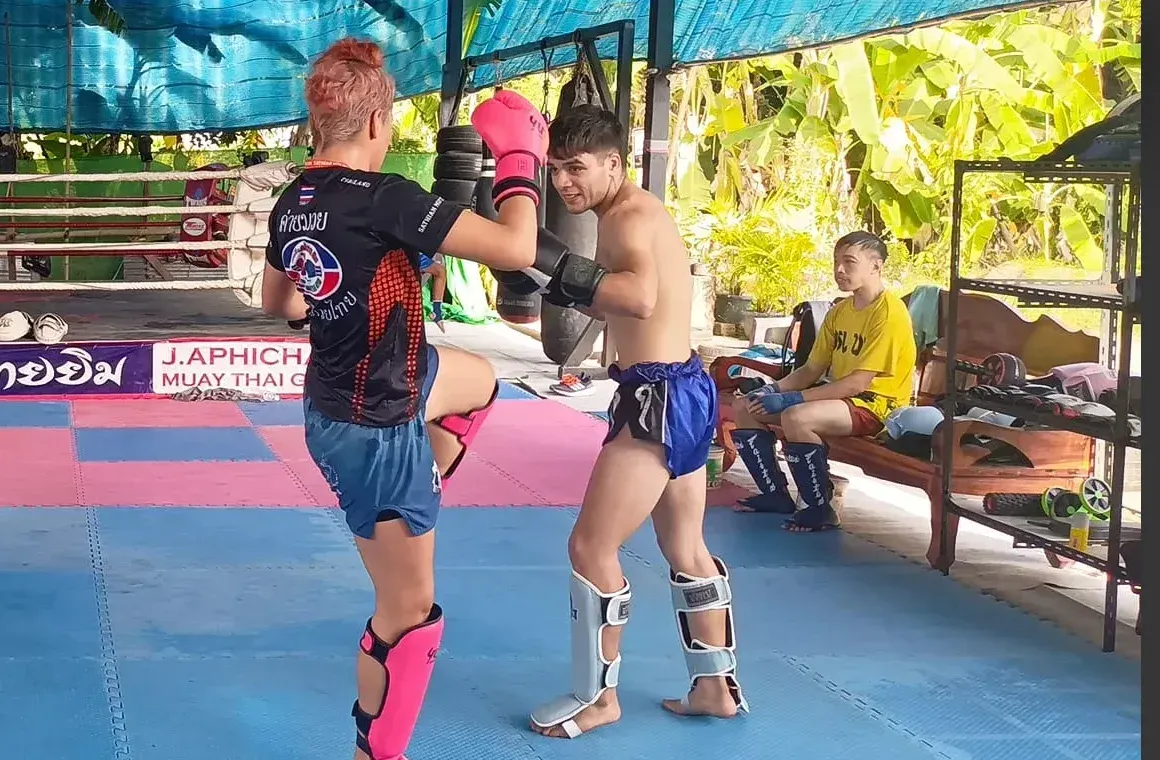 If you want to escape the chaos in Bangkok, try Muay Thai class at Jor Aphichat Muay Thai Gym in Sing Buri
The Real Lesson of Fight-Camp Life
The image of a Thai fighter throwing thousands of kicks on the heavy bag is powerful, but it only shows part of the story.
The real discipline is everything surrounding those kicks: getting up when you are tired, completing the morning run, eating enough to train again, listening to your trainer, recovering instead of wasting energy, sleeping when everyone else is going out and returning to the gym the next day.
Fight-camp life is repetitive by design. There are no shortcuts hidden inside the routine. The fighter improves because the same fundamentals are performed again and again, under progressively different conditions, until they become dependable.
The glamour is the fight. The fighter is built during all the ordinary days before it.
Train Like a Fighter, Understand the Lifestyle
A Thai Muay Thai camp is much more than two training sessions and a pair of gloves. It is a complete daily system built around preparation: running, technical work, food, recovery, coaching, sleep and repetition.
You do not need to become a professional fighter to experience that environment. But if you want to understand Muay Thai at a deeper level, spending time in a real camp can change the way you see the sport.
The training happens in the gym. The fighter is built throughout the entire day.
Continue Your Muay Thai Journey
Want to go deeper before choosing your next gym or training camp? Explore our guides to finding the right gym, preparing for your first training experience and understanding what to expect when you train in Thailand.
- Muay Thai Recovery Guide: Ice Baths, Thai Massage & Namman Muay for Your First Week in Thailand
- What Happens During a Typical Muay Thai Training Session in Thailand?
- How to Improve Your Kicks in Muay Thai: Balance, Power & Technique
- Muay Thai Distance Management: Learning When to Attack and Defend
- Walk-in vs. Online Booking: Which Is the Best Way to Book a Muay Thai Class in Thailand?
- Authentic Fight Camp vs. Modern Boutique Gym: Which Muay Thai Experience Is Right for You?
- How to Plan Your Muay Thai Trip in Thailand Around Your Schedule
- Why Female Travellers Should Try Muay Thai in Thailand
- Find Your Best Version Through Muay Thai
Learn more about Muay Thai

Back