
 Home
Home Muay Thai Gyms
 Training Classes
 Promotions
 Muay Thai Visa
 Blog
BlogWhat Happens During a Typical Muay Thai Training Session in Thailand?
October 1, 2026


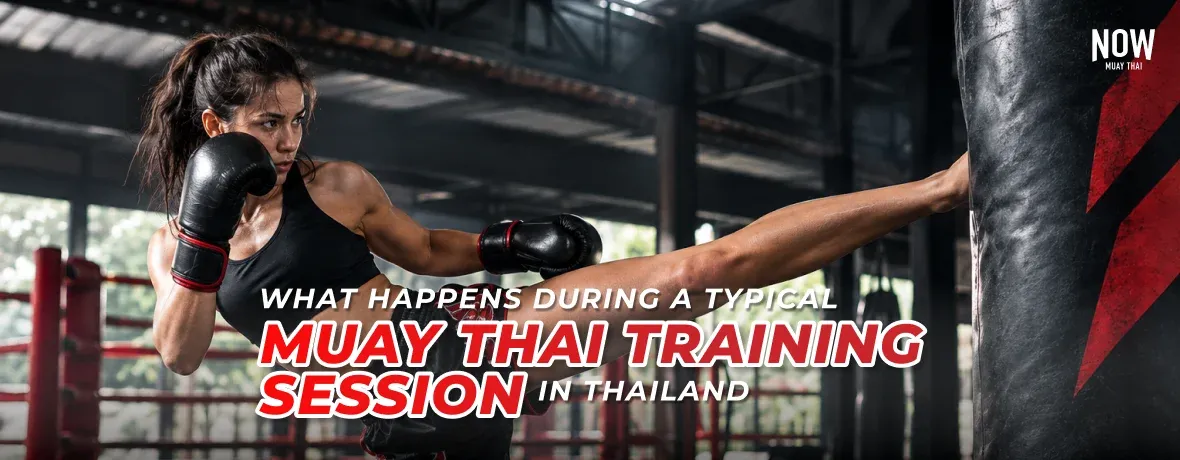
A first Muay Thai session can look intense from the outside. Once you understand what each part of the training is for, the structure becomes much easier to follow.
Walking into a Muay Thai gym in Thailand for the first time can be unfamiliar. There may be fighters hitting pads, people skipping rope, trainers calling combinations and several rounds happening at once. If you've never trained before, it can be difficult to know what you're supposed to do.
A typical session is more structured than it first appears. Training usually moves from general preparation into technique, repetition and increasingly specific work. The exact order varies between gyms and coaches, but the main building blocks are familiar across Muay Thai training.
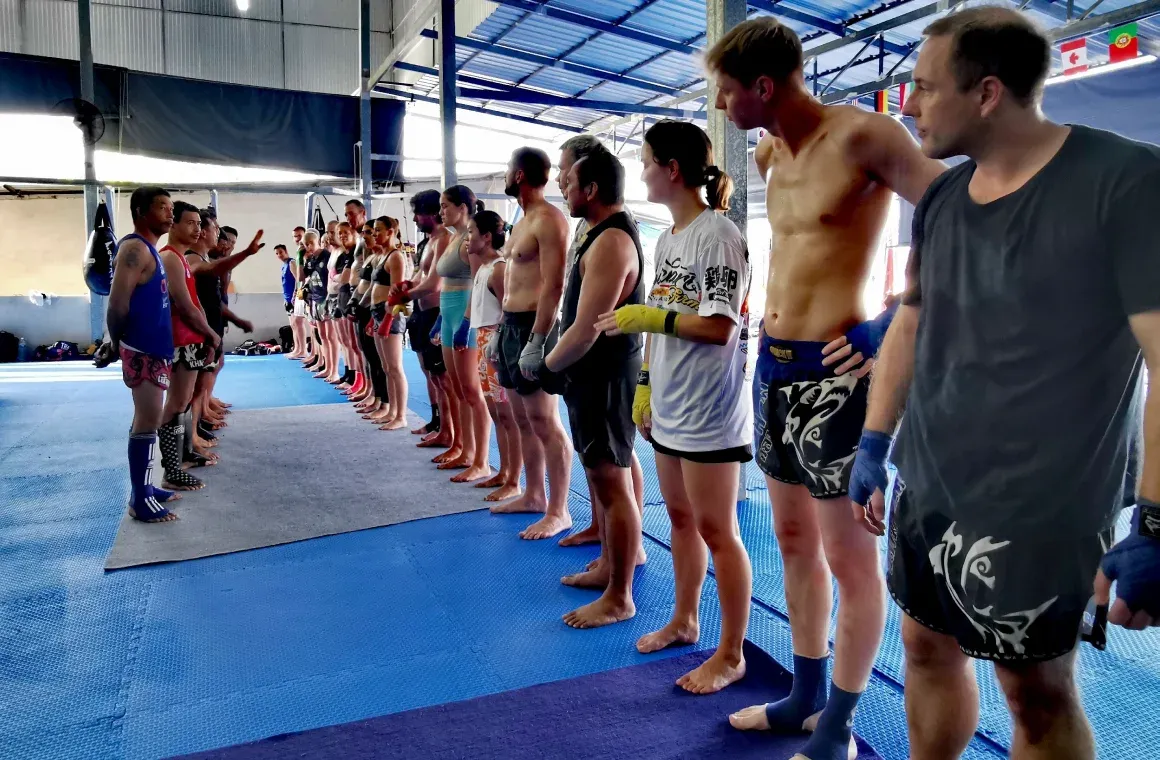 Krus greeting students at Khao Lak Muay Thai Gym
Start With the Warm-Up
Muay Thai training normally begins with a warm-up rather than going directly into hard striking. The goal is to raise your body temperature, prepare the joints for movement and gradually increase the intensity before the main training begins.
Depending on the gym, this can include running, skipping rope, dynamic mobility exercises, bodyweight movements or a combination of them. You may also see experienced fighters using the warm-up to work on their own rhythm and movement before class properly begins.
For a first-time visitor, the warm-up can be more demanding than expected. Skipping in particular requires coordination as well as conditioning. Don't worry if you are not immediately comfortable with it. You are there to learn, not to demonstrate that you already belong in the gym.
The warm-up should prepare you for training, not be a test of how fit you are before training has even started.
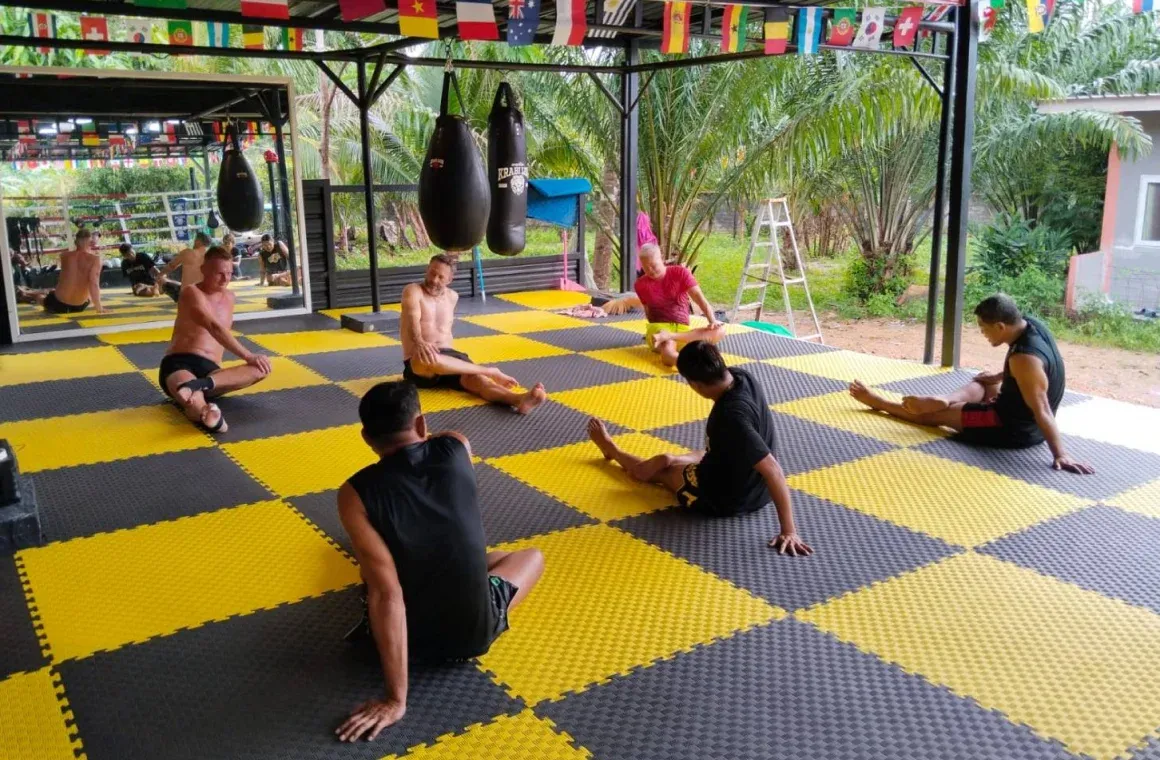 Warm Up at Thewaritnoi Gym Krabi
Shadowboxing Comes Next
After warming up, many sessions move into shadowboxing. You practise your techniques without a partner or equipment, usually while moving around the gym.
Shadowboxing gives you an opportunity to rehearse combinations, defensive movements and basic footwork without having to react to another person. Coaches may use this part of the session to watch how students move and correct simple technical problems before adding more resistance or speed.
For beginners, it can feel strange to punch and kick at empty space. The purpose isn't to look like a fighter. It is to make the movements familiar enough that you can perform them without stopping to think about every individual step.
Shadowboxing is where you rehearse the movement before someone gives you a target.
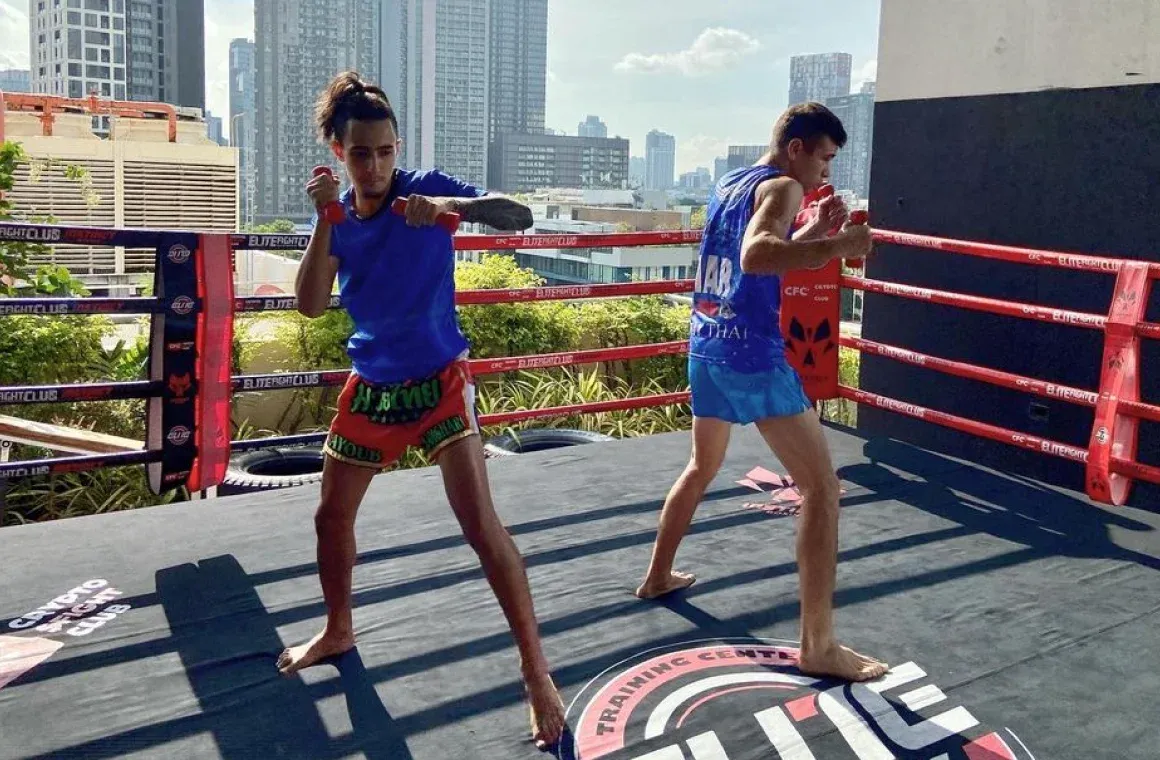 People practicing shadow boxing at Elite Fight Club Bangkok"
Learn or Review the Technique
The technical part of the session is where the trainer introduces new movements or reviews techniques you already know. A coach may demonstrate a combination and then have the class repeat it several times.
Beginners might work on basic punches, kicks, knees, elbows, defensive movements or combinations. More experienced students may work on more specific details, counters or combinations connected to their current training.
The important part is not how many techniques you learn in one session. Muay Thai relies heavily on repetition. A technique needs to be repeated enough times for the movement to become familiar before you can use it naturally under pressure.
- Watch the trainer's demonstration before trying to increase your speed.
- Focus on one technical detail at a time.
- Ask the trainer to repeat something if you don't understand it.
- Don't rush through repetitions just to keep up with experienced students.
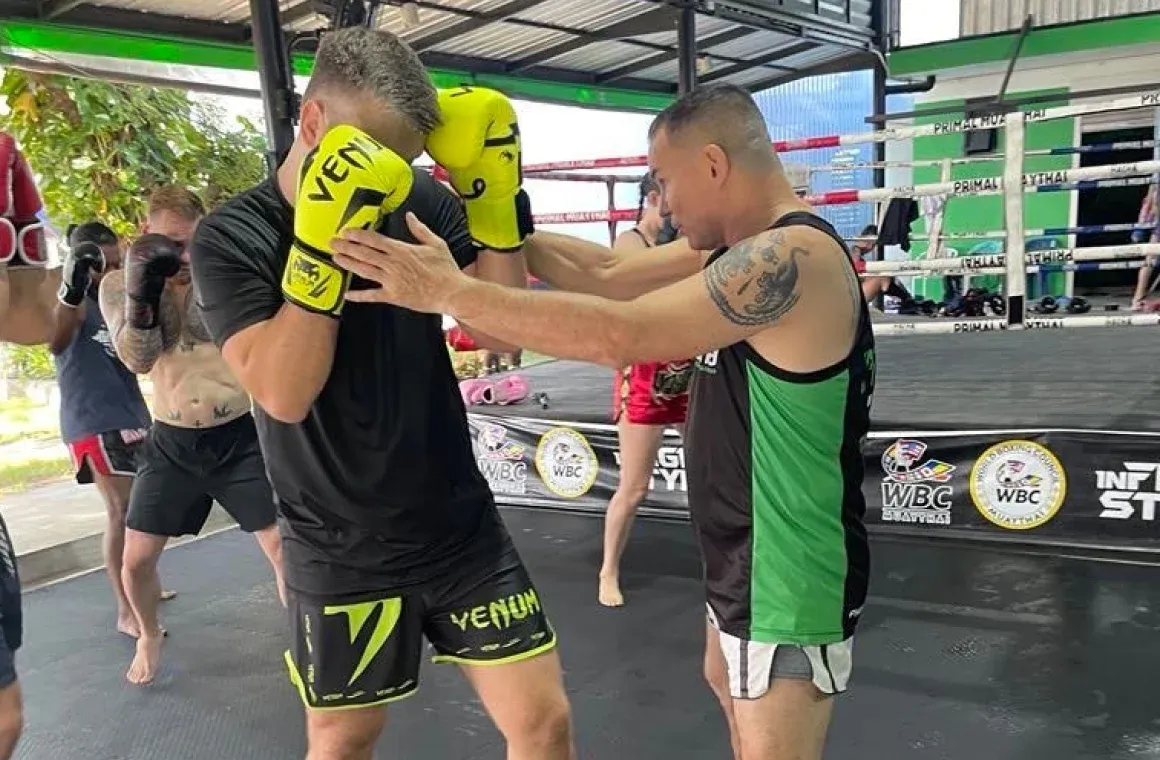 Trainer helps a student with his stand at Phuket Muay Thai Gym
Pad Work: Putting Techniques Into Combinations
Pad work is one of the most recognizable parts of Muay Thai training. A trainer holds Thai pads while you perform combinations, respond to commands and sometimes react to the trainer's movements.
This is different from simply hitting a bag. The trainer can change the target, timing and combination while giving immediate feedback. You also have to listen, remember the sequence and return to a usable position after each technique.
A beginner may start with a simple combination and gradually add more techniques. As your experience increases, pad work can become faster and more reactive, but the basic purpose remains the same: turning individual techniques into connected actions.
Learn the Combination
Follow the trainer's instructions and concentrate on performing each technique correctly rather than rushing through the sequence.
React to the Pads
The trainer's movement gives you a changing target, helping you learn to connect your techniques instead of throwing them in isolation.
Find the Pace
Once the combination becomes familiar, the goal is to perform it smoothly without losing your basic technique.
Make Corrections
Your trainer can immediately adjust your technique, stance, timing or movement while you are performing the combination.
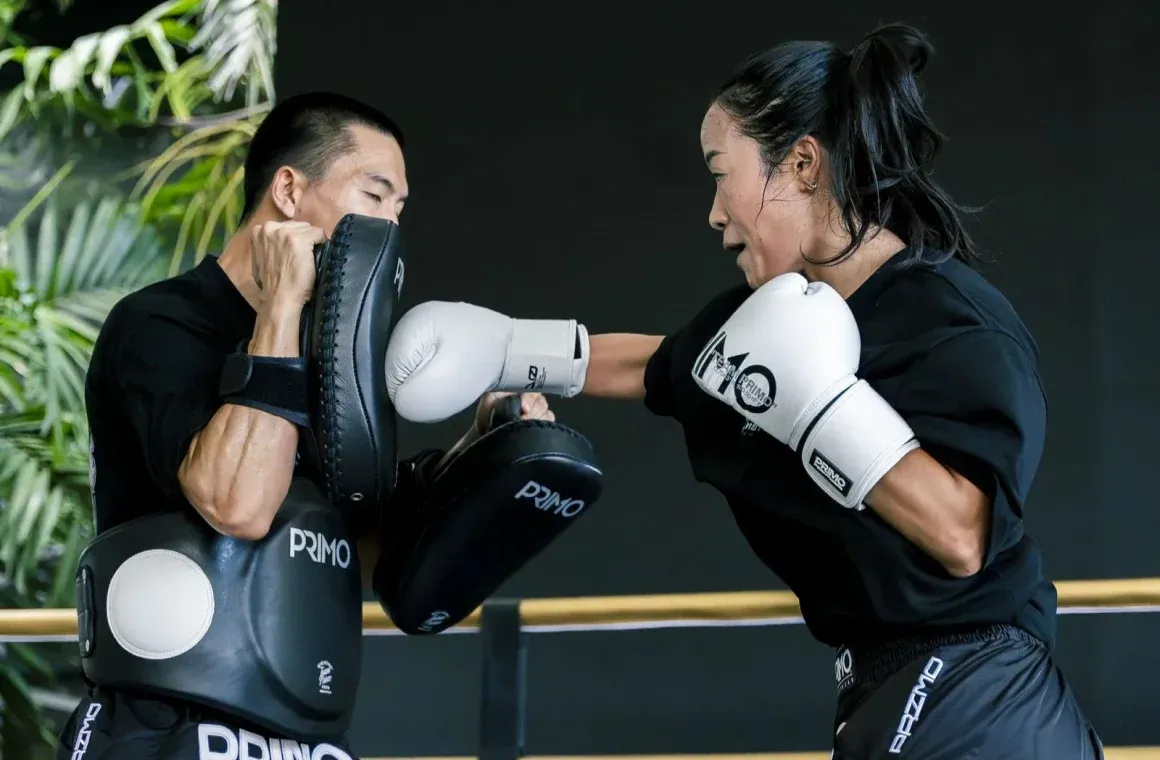 Pad Work at R1 Muay Thai Gym in Phuket
Heavy Bag Work Builds Repetition
Heavy bag work gives you a different type of practice. Instead of reacting to a trainer holding pads, you work against a stationary target and repeat techniques or combinations for a set period.
This allows you to concentrate on rhythm, accuracy and consistency without having to remember instructions at the same time. It is also useful for conditioning because techniques are repeated continuously over a round.
Beginners often make the mistake of treating every bag round like a test of maximum power. That isn't necessary. A controlled round where your technique stays consistent is more useful than several minutes of wild, exhausting strikes.
Bag work gives you time to repeat what you have just learned without the pressure of reacting to another person.
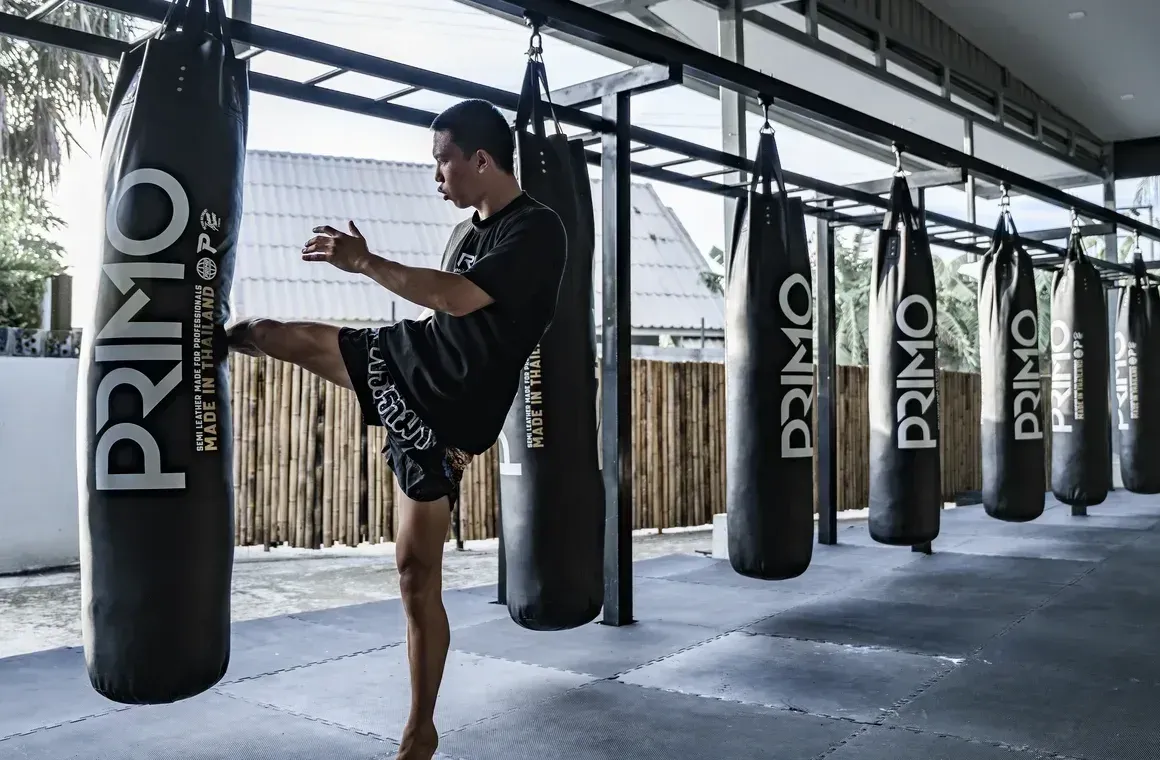 Heavy bag work at R1 Muay Thai Gym in Phuket
Partner Drills and Clinching
Depending on the gym and the class, you may also work with another student. Partner drills introduce movement and reaction that you don't get from a stationary bag.
These drills can involve controlled combinations, defensive techniques, checking kicks, catching techniques or other exercises chosen by the coach. They are normally structured around a specific skill rather than being an uncontrolled fight.
Clinching may also be included, particularly in classes with a stronger Muay Thai focus. Clinch training introduces close-range control, posture, balance and knees. Beginners may start with basic positioning before progressing to more active drills.
Not every session includes extensive clinching or partner work. Some gyms reserve these elements for particular classes or introduce them gradually depending on the students' experience.
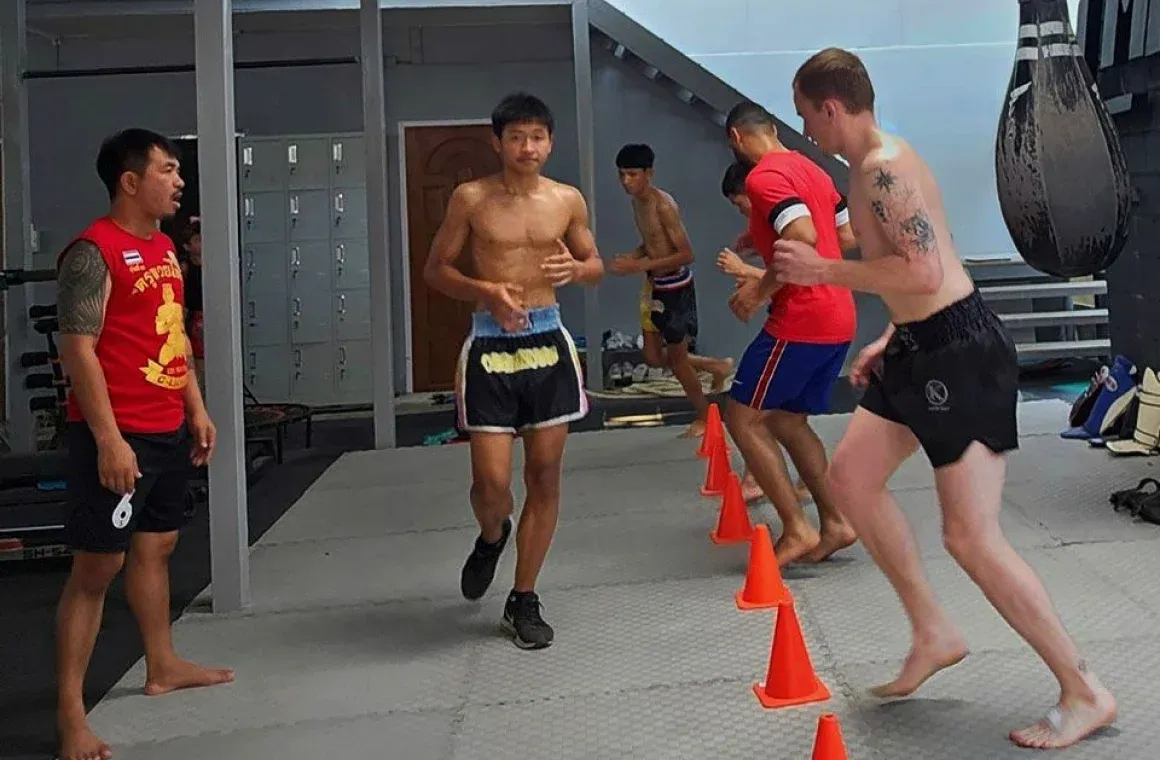 Condition Training at CMA Muay Thai Academy in Chiang Mai
Conditioning Is Part of the Training
Muay Thai sessions are not purely technical. Conditioning is often built into the training through repeated rounds, bodyweight exercises, skipping, running or other exercises.
The exact approach depends heavily on the gym. A fitness-focused class may use more continuous exercise, while a fighter-oriented session may place more emphasis on sport-specific conditioning and repeated technical rounds.
If you are a complete beginner, don't be surprised if your first session feels harder than expected. Muay Thai combines technical concentration with continuous physical work. The solution isn't to rush. Pace yourself so that your technique remains usable as you become tired.
Going Too Hard Too Early
Trying to match an experienced student's intensity can leave you exhausted before you have learned the technique.
Holding Your Breath
Beginners often become tense while concentrating. Keep breathing naturally instead of treating every technique as a maximum-effort strike.
Ignoring the Coach's Pace
Training with a group doesn't mean you have to copy the intensity of the most experienced person in the room.
Chasing Power
More force is not automatically better. Keep the technique controlled enough that you can repeat it consistently.
Comparing Yourself to Fighters
A professional fighter may have years of conditioning and technical experience. Your first session should be judged against your own starting point.
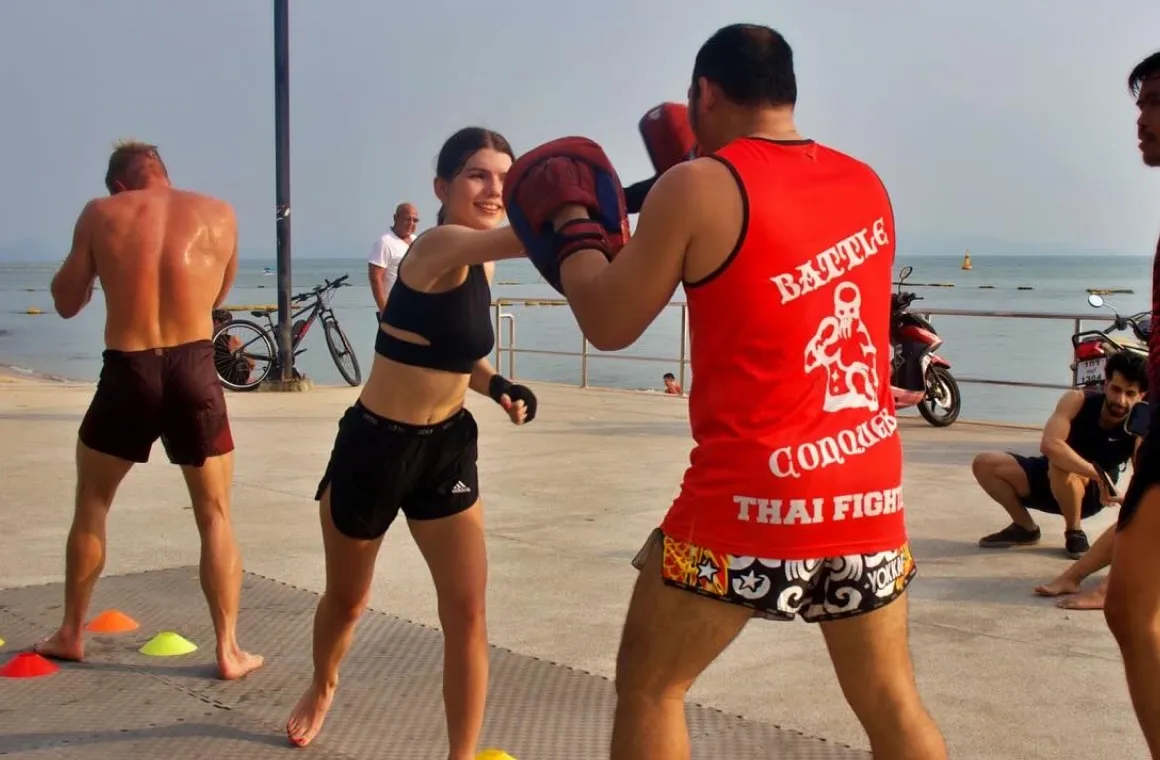 Experience a beach training at Battle Conquer Gym Pattaya
Does Every Muay Thai Session Include Sparring?
No. This is one of the most common assumptions first-time visitors make about Muay Thai gyms.
Some gyms have dedicated sparring sessions, while others may include controlled sparring in certain classes. A beginner's session may contain technical drills, pad work and bag work without any sparring at all.
If sparring is included, the intensity should match the training environment and the experience of the people involved. You should not arrive for your first class expecting to fight an experienced fighter.
Your first Muay Thai class is a training session, not a fight.
How a Typical Session Comes Together
Although every gym has its own approach, a session usually moves from general preparation toward increasingly specific work. The following is a useful example of how the different parts can fit together.
A Typical Training Flow
Prepare: Running, skipping, mobility and dynamic movements raise your body temperature and prepare you for training.
Rehearse: Practise techniques, combinations and movement without a partner or equipment.
Learn: The trainer demonstrates techniques or combinations before students repeat them.
React: Work with the trainer to combine techniques, respond to commands and develop timing.
Repeat: Reinforce techniques and combinations against a stationary target while developing conditioning.
Apply: Depending on the class, practise controlled drills, clinching or other partner exercises.
Finish: Complete additional physical work or final rounds before cooling down.
Not every class will follow this sequence exactly. A private session may spend much longer on one technical area, while a group class may move through several exercises more quickly. The structure should be treated as a guide rather than a fixed timetable.
What Should You Bring to Your First Class?
You don't need a suitcase full of specialist equipment to try Muay Thai in Thailand. Comfortable training clothes, water and hand wraps are a good starting point. Many gyms provide gloves, while equipment policies vary between locations.
Wear lightweight clothing that allows your legs and shoulders to move freely. Muay Thai is normally practised barefoot, so dedicated training shoes are generally not necessary on the mat.
If you are booking a class as a traveler, check the individual gym listing before arriving. Equipment, changing facilities and other included services can differ from one gym to another.
Training for the First Time in Thailand
You don't need previous Muay Thai experience to start. What matters more is arriving ready to listen, repeat techniques and work at an intensity you can maintain. Thai gyms train people with very different goals, from travelers taking a single class to students training every day.
Where to Try a Muay Thai Training Session in Thailand
If you're visiting Thailand and want to experience a real Muay Thai session, you have plenty of options beyond traditional fighter-focused camps. The following gyms offer training suitable for visitors and different experience levels, making them useful starting points if you are booking your first class.
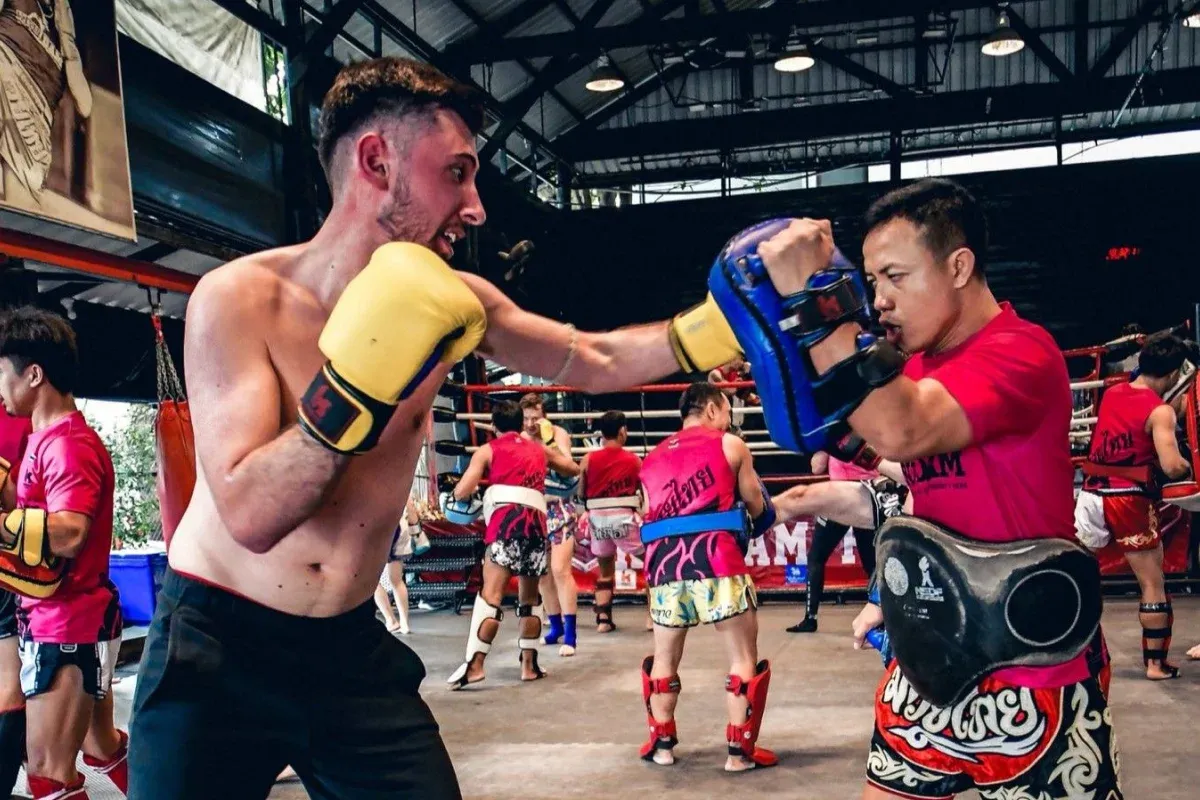 Bangkok
Kru Dam Gym
Kru Dam offers Muay Thai training from beginner to advanced levels, with different training options depending on your experience and goals. It is a practical choice if you want to learn the fundamentals with close coaching in Bangkok.
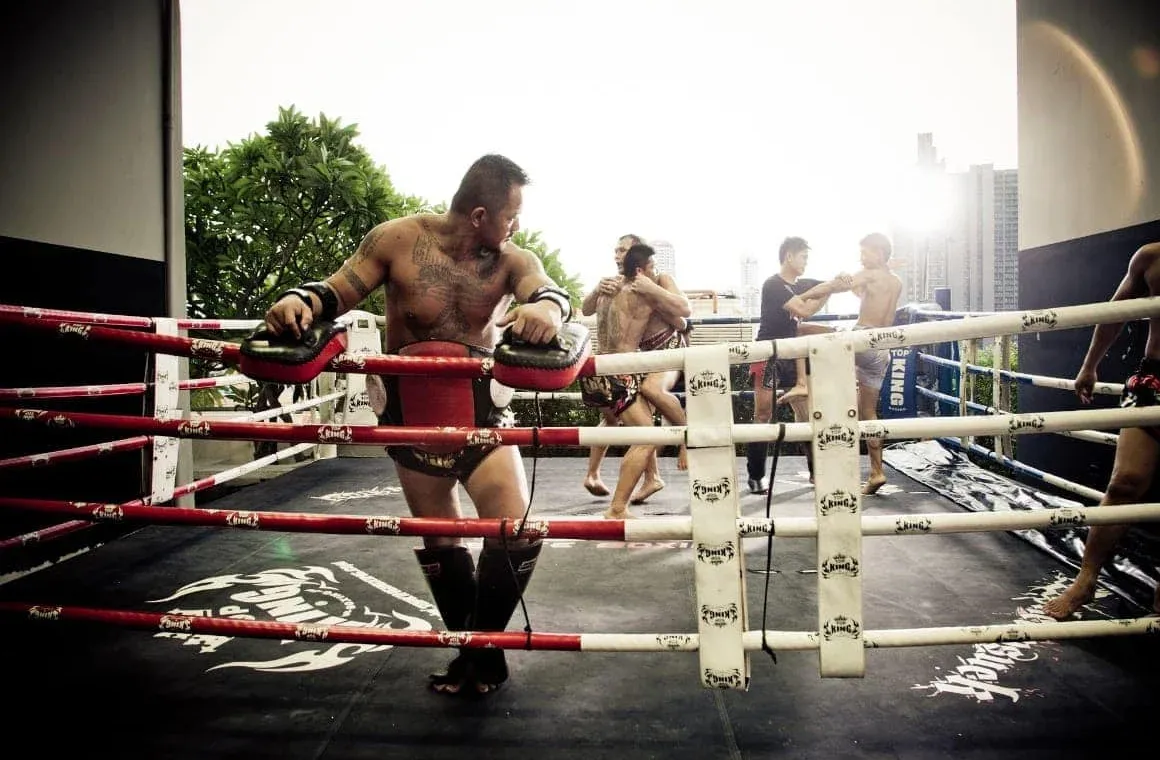 Bangkok
Elite Fight Club Bangkok
A Bangkok gym where travellers can combine their time in the city with regular Muay Thai training.
Phuket
R1 Muay Thai
A Phuket training option offering Muay Thai group training for visitors staying on the island.
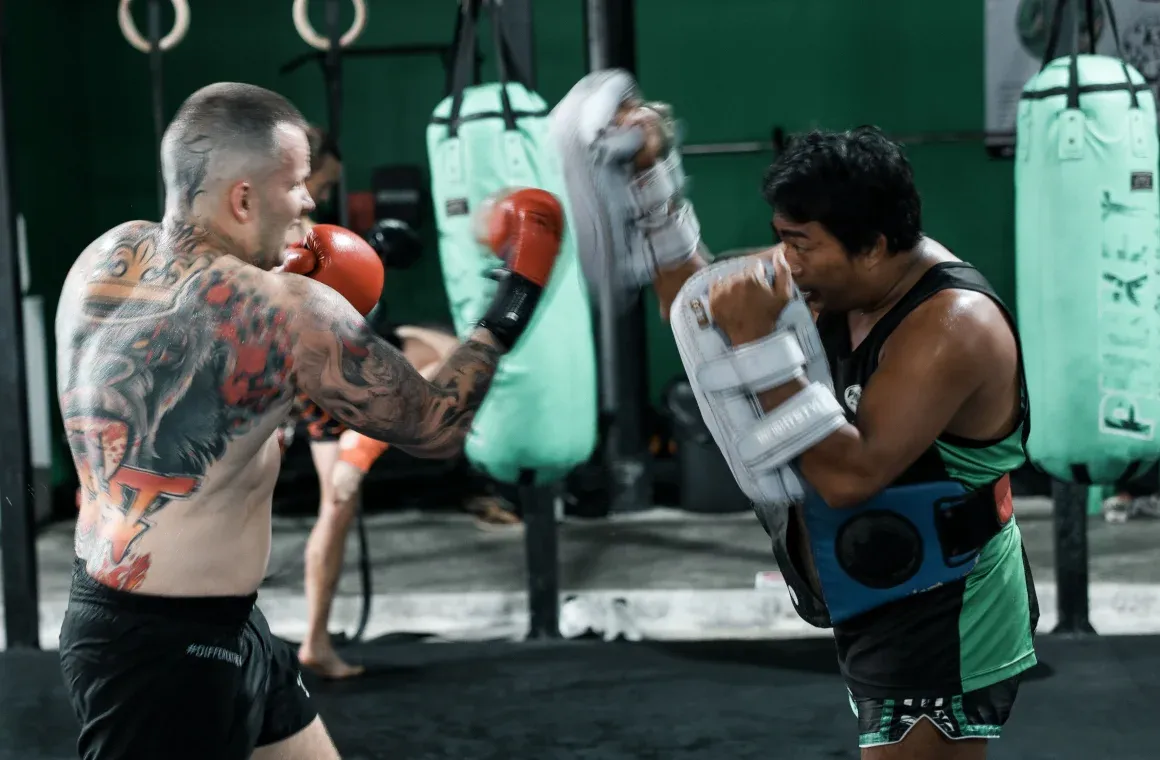 Phuket
Phuket Muay Thai
A Phuket-based option for travellers looking to include Muay Thai training in their island stay.
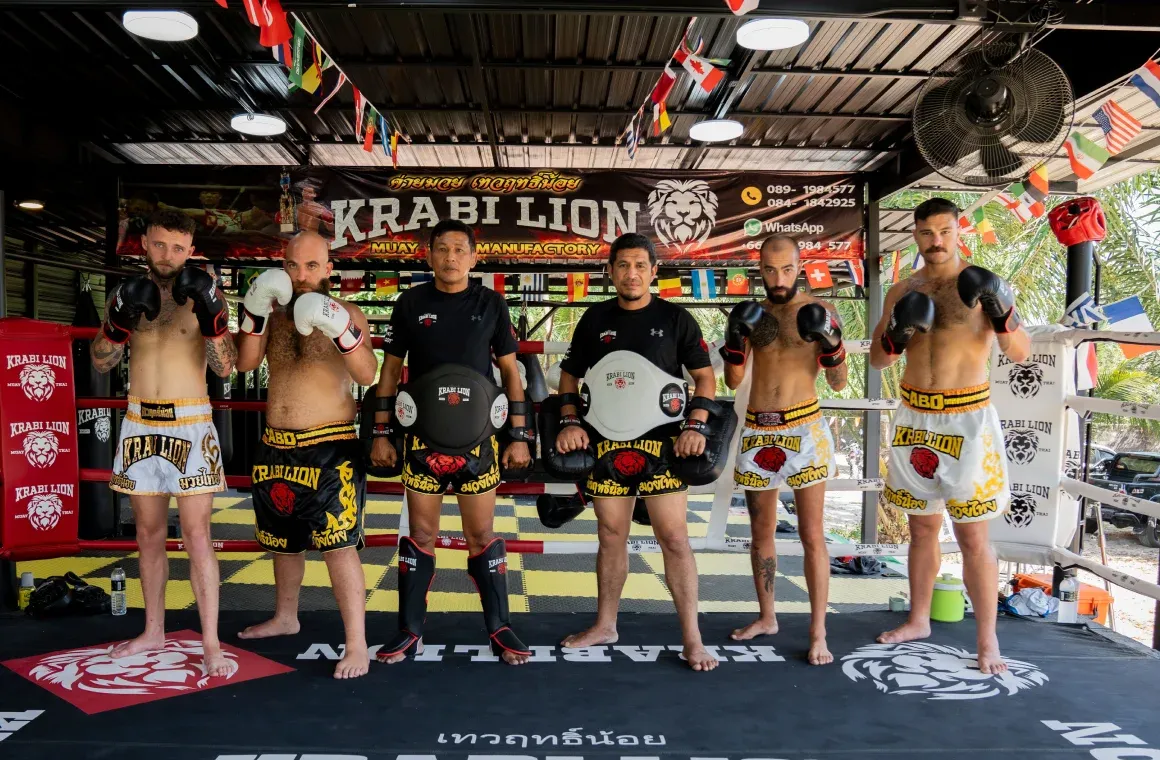 Krabi
Krabi
Thewaritnoi Krabi Muay Thai
A Krabi option for travellers who want to combine Muay Thai with a stay in one of Thailand's southern provinces.
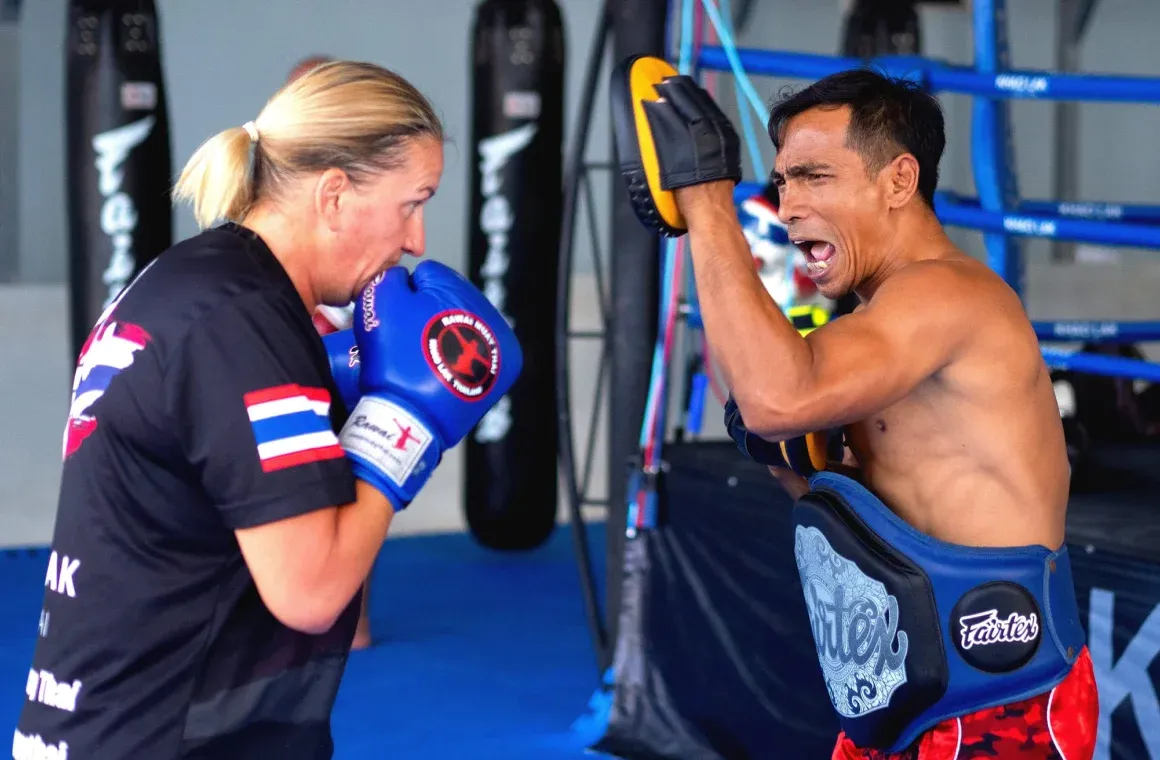 Khao Lak
Khao Lak Muay Thai
A Khao Lak option for travellers who want to combine Muay Thai training with a quieter beach destination.
Pattaya
Battle Conquer Gym Pattaya
A Pattaya training option for visitors looking to add regular Muay Thai sessions to their trip.
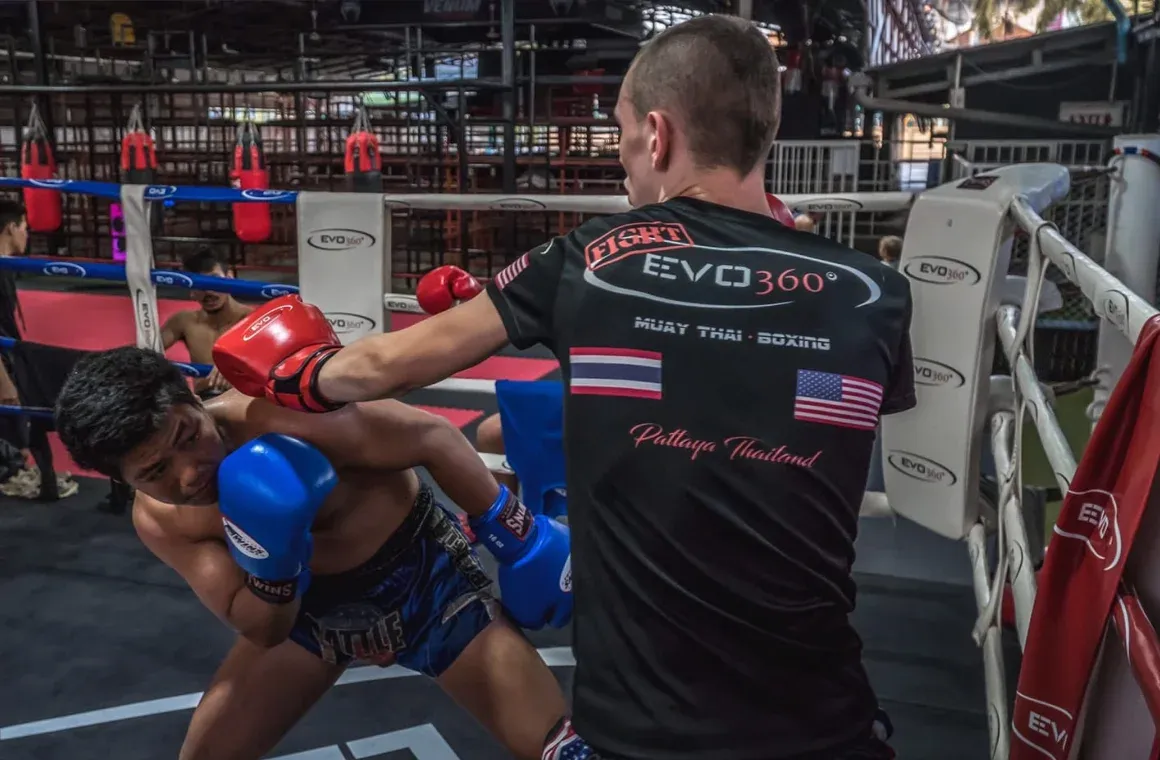 Pattaya
FIGHT EVO360
A Pattaya option for visitors looking for structured combat-sports training and a dedicated environment for developing Muay Thai skills.
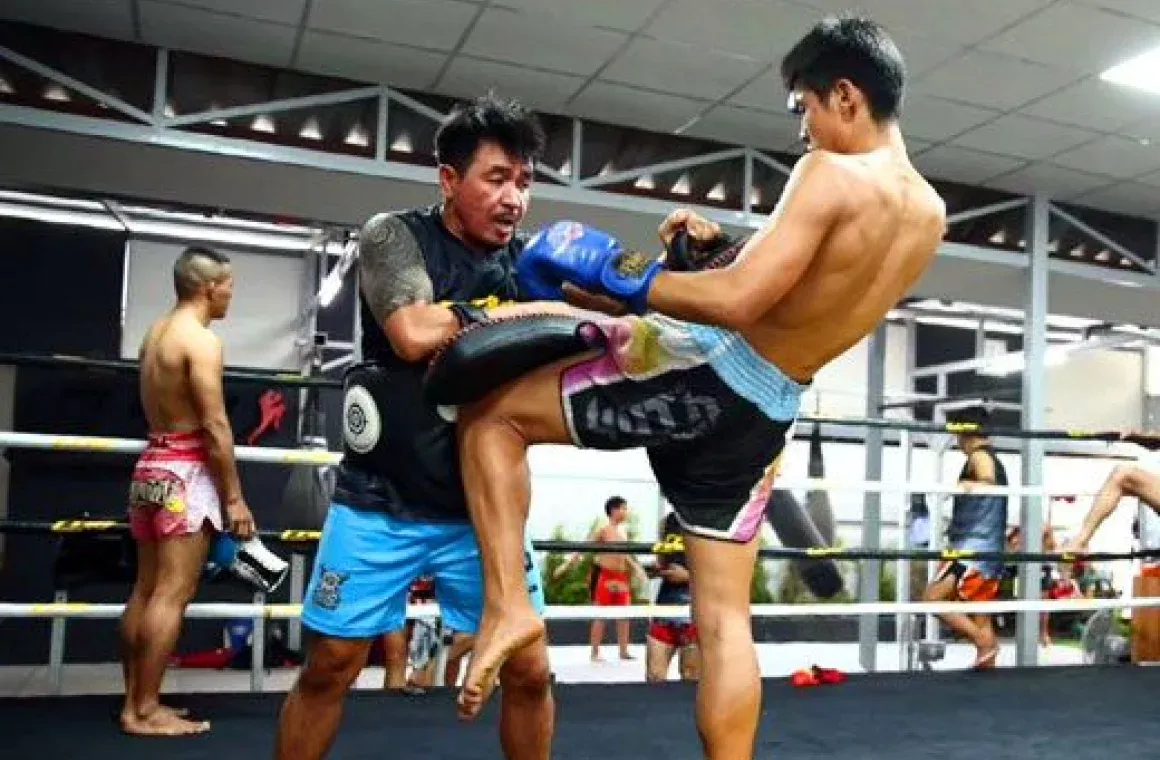 Chiang Mai
CMA Muay Thai Academy
A Chiang Mai option for travellers who want to train while exploring northern Thailand.
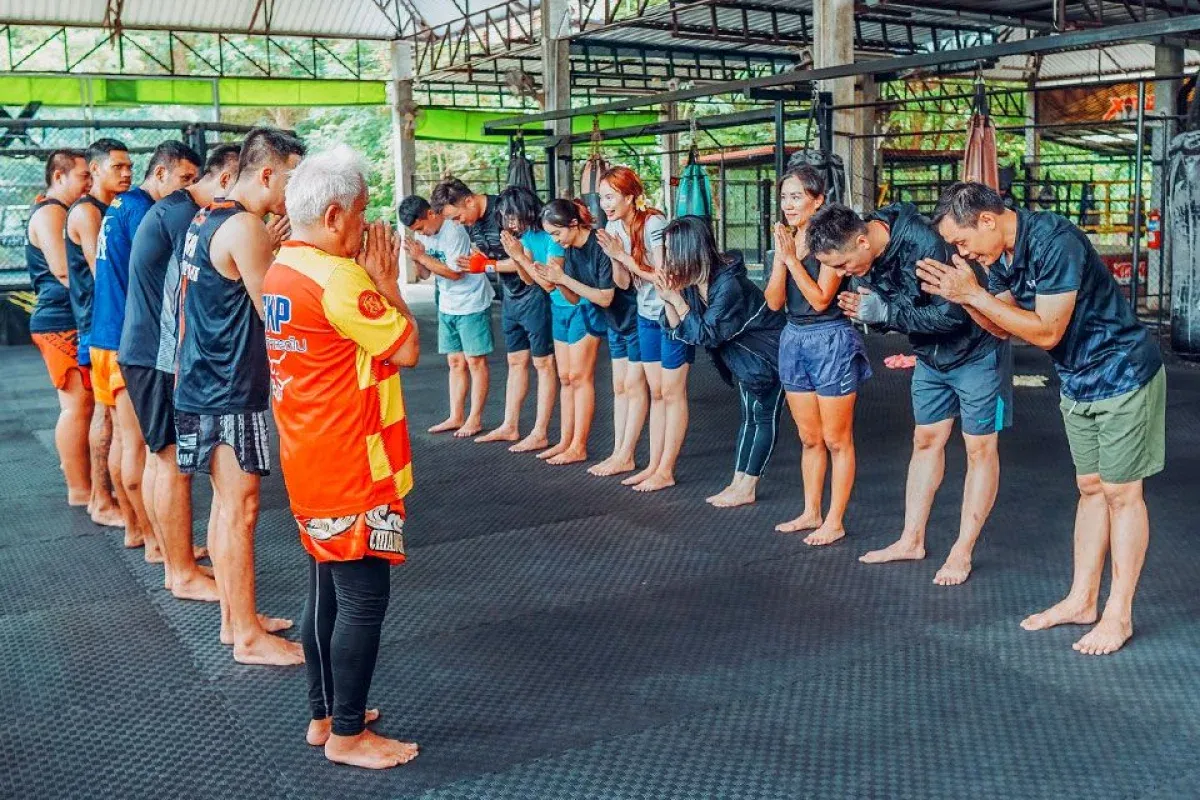 Chiang Mai
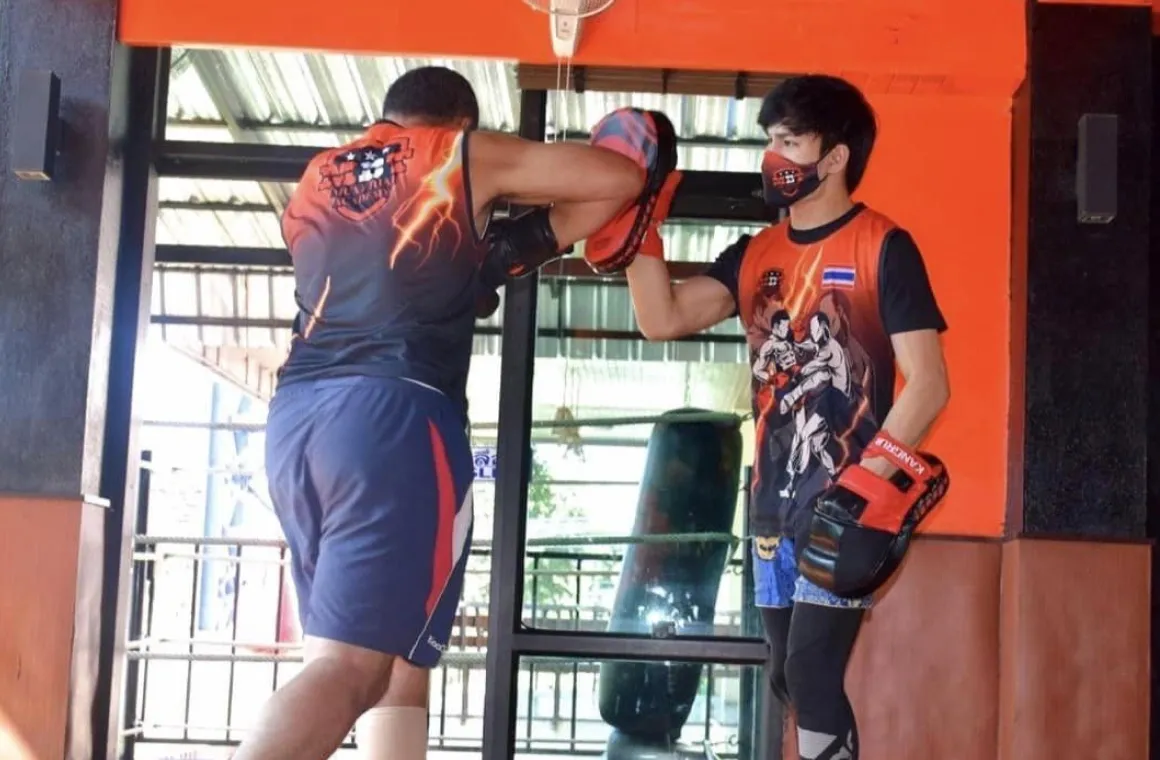
Xmax Thai Boxing Gym
Xmax Thai Boxing Gym offers Muay Thai training for different experience levels, including travelers who want to build their skills during a stay in Chiang Mai.
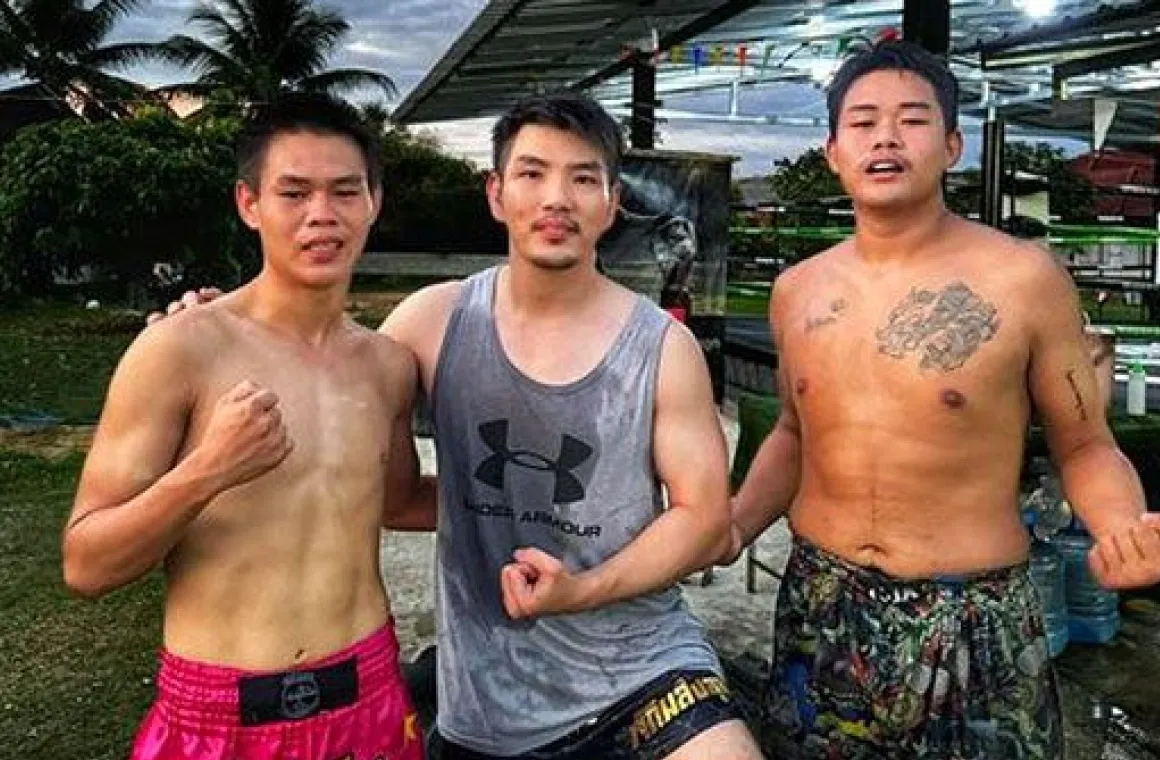
 Chiang Rai
MBT Muay Thai Gym
A Chiang Rai option for travellers who prefer training outside Thailand's larger tourist centres.
 Chiang Rai
Tonkhar Muay Thai
A Chiang Rai training option for visitors looking for an authentic Muay Thai experience in the north.
These gyms can be explored through Now Muay Thai, where you can compare training options and book a class before you arrive.
Know What to Expect. Then Start Training.
A typical Muay Thai session isn't just a series of hard rounds. It moves through preparation, technical instruction, repetition and increasingly demanding exercises, with each part serving a different purpose.
Your first class may feel unfamiliar, especially when you're trying to remember techniques while keeping up with the pace. That's normal. You don't need to arrive in Thailand already knowing how to train. You just need to arrive ready to learn.
Ready to Try Muay Thai in Thailand?
Your first Muay Thai class doesn't need to be intimidating. Whether you want to try one session during a holiday, train for a few days or build a regular training routine, working with an experienced coach gives you a structured way to learn the sport.
Explore Muay Thai gyms across Thailand and find a training environment that matches your experience level, goals, location and schedule with Now Muay Thai.
Want to Learn More About Training Muay Thai in Thailand?
- Muay Thai Distance Management: Learning When to Attack and Defend
- How to Improve Your Muay Thai Kicks: Balance, Power & Technique
- Muay Thai Recovery Guide: Ice Baths, Thai Massage & Namman Muay for Your First Week in Thailand
- Walk-in vs. Online Booking: Which Is the Best Way to Book a Muay Thai Class in Thailand?
- Authentic Fight Camp vs. Modern Boutique Gym: Which Muay Thai Experience Is Right for You?
- How to Plan Your Muay Thai Trip in Thailand Around Your Schedule
Learn more about Muay Thai

How to Improve Your Kicks in Muay Thai: Balance, Power & Technique
Muay Thai Distance Management: Learning When to Attack and Defend
Muay Thai Recovery Guide: Ice Baths, Thai Massage & Namman Muay for Your First Week in Thailand
Authentic Fight Camp vs. Modern Boutique Gym: Finding Your Perfect Muay Thai Fit in Thailand
Back